Potaliifolium Cestrum
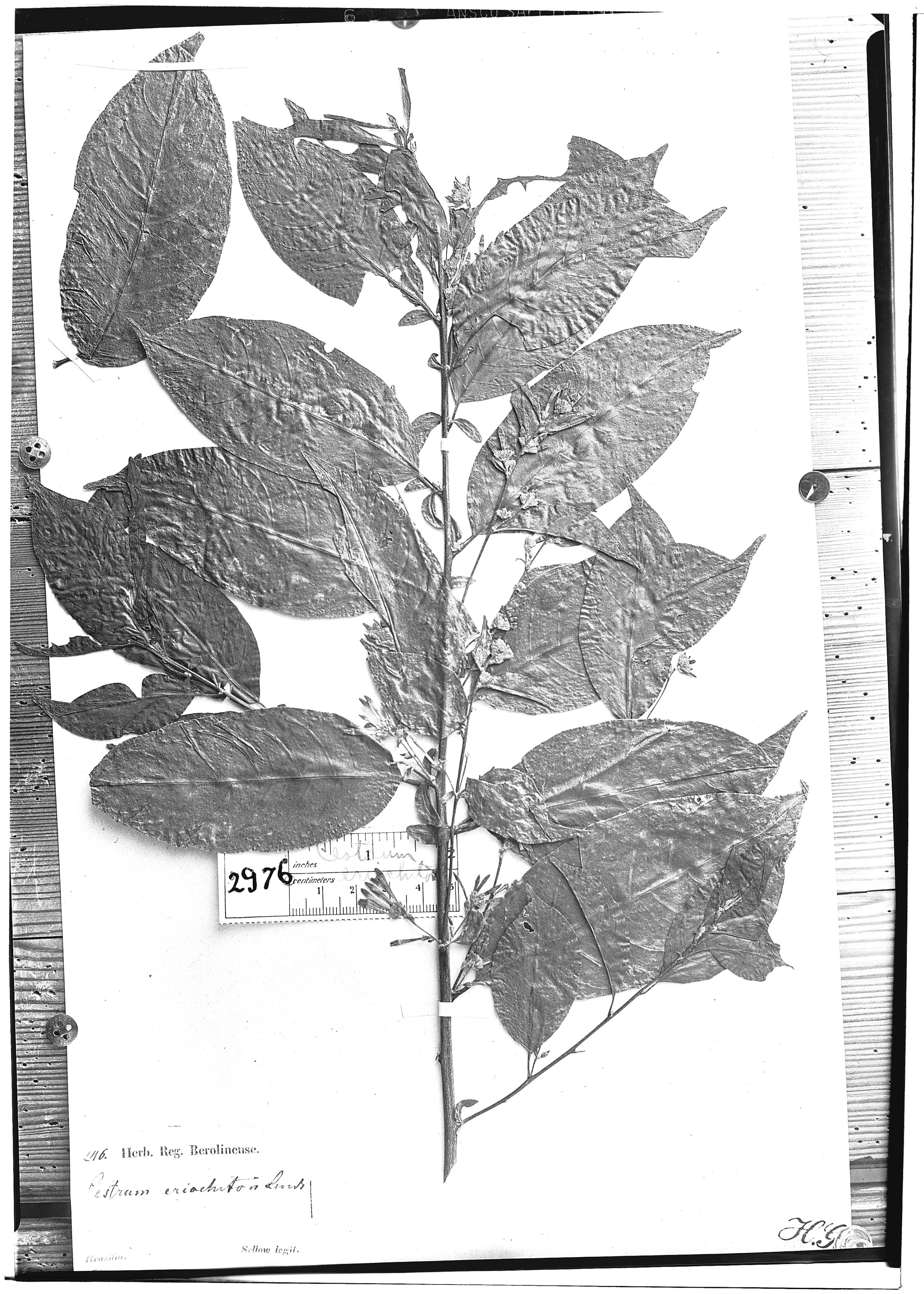
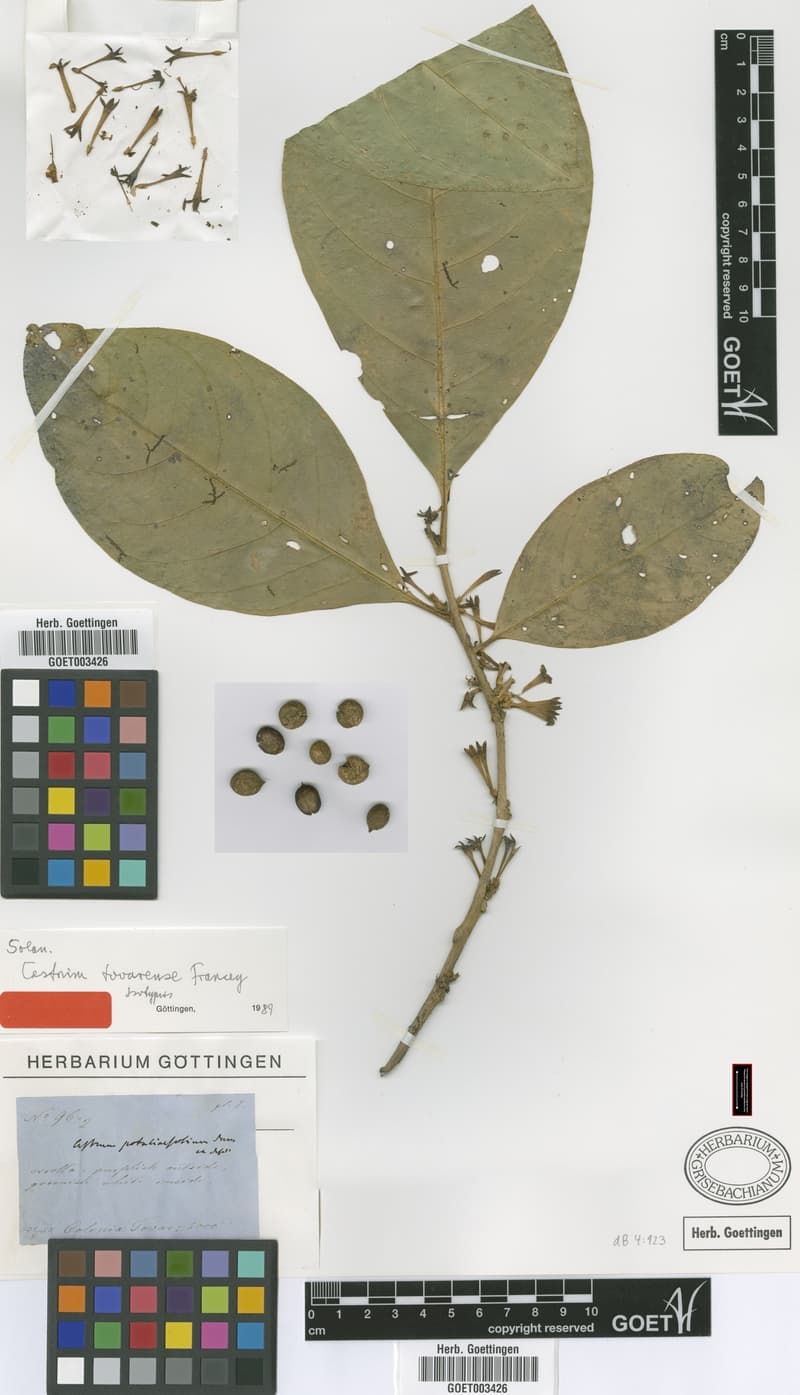
Image: Fendler, A. (no. 962) (cc-by-sa)
NamePotaliifolium Cestrum
Scientific NameCestrum potaliifolium
Common NamesPotaliifolium Cestrum
Plant FamilySolanaceae
Natural HabitatNative to montane forests and cloud forests of Central and South America, typically found at moderate to high altitudes.
Parts Usedleaf,flower,fruit
Medicinal Actionsanalgesic, anti-inflammatory, antimicrobial
Traditional UsesWhile the genus Cestrum is known for toxicity, some species, including Cestrum potaliifolium, have been traditionally used externally for pain relief, reducing inflammation, and as an antimicrobial wash. Internal use is generally avoided due to the plant's poisonous nature.
Active Constituentssteroidal glycoalkaloids, saponins, flavonoids
Preparation Methodspoultice, infusion
Contraindications & WarningsAll parts of Cestrum potaliifolium are considered toxic due to the presence of steroidal glycoalkaloids. Internal use is highly dangerous and generally contraindicated. Avoid use during pregnancy, lactation, in children, and in individuals with liver or kidney conditions.
Cultivation NotesThis plant prefers well-drained soil and can thrive in full sun to partial shade in tropical to subtropical climates. It can be grown as an ornamental shrub or small tree.
Rarityuncommon
Description
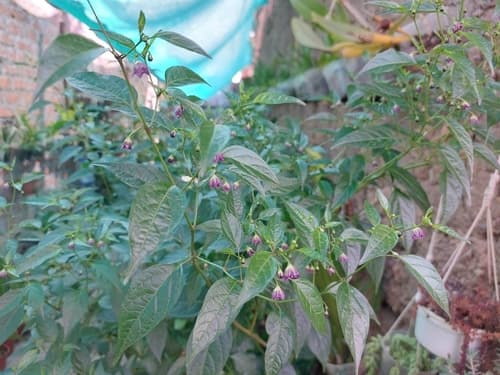
Cestrum potaliifolium is a shrub or small tree characterized by simple, alternate, ovate to elliptic leaves with prominent venation. It produces tubular flowers, often clustered in axillary or terminal inflorescences, followed by small, round berries.