Cestrum eriochiton
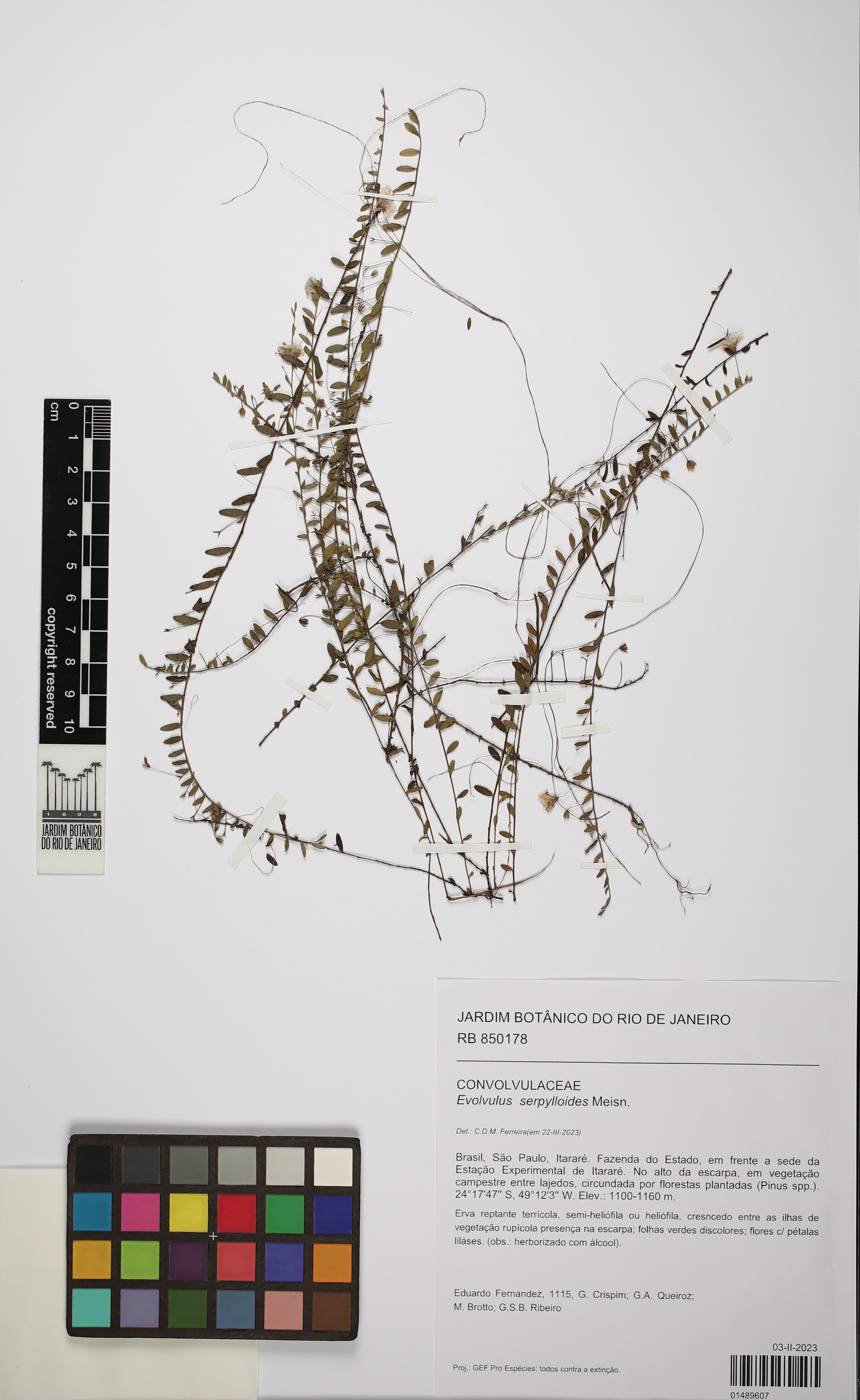
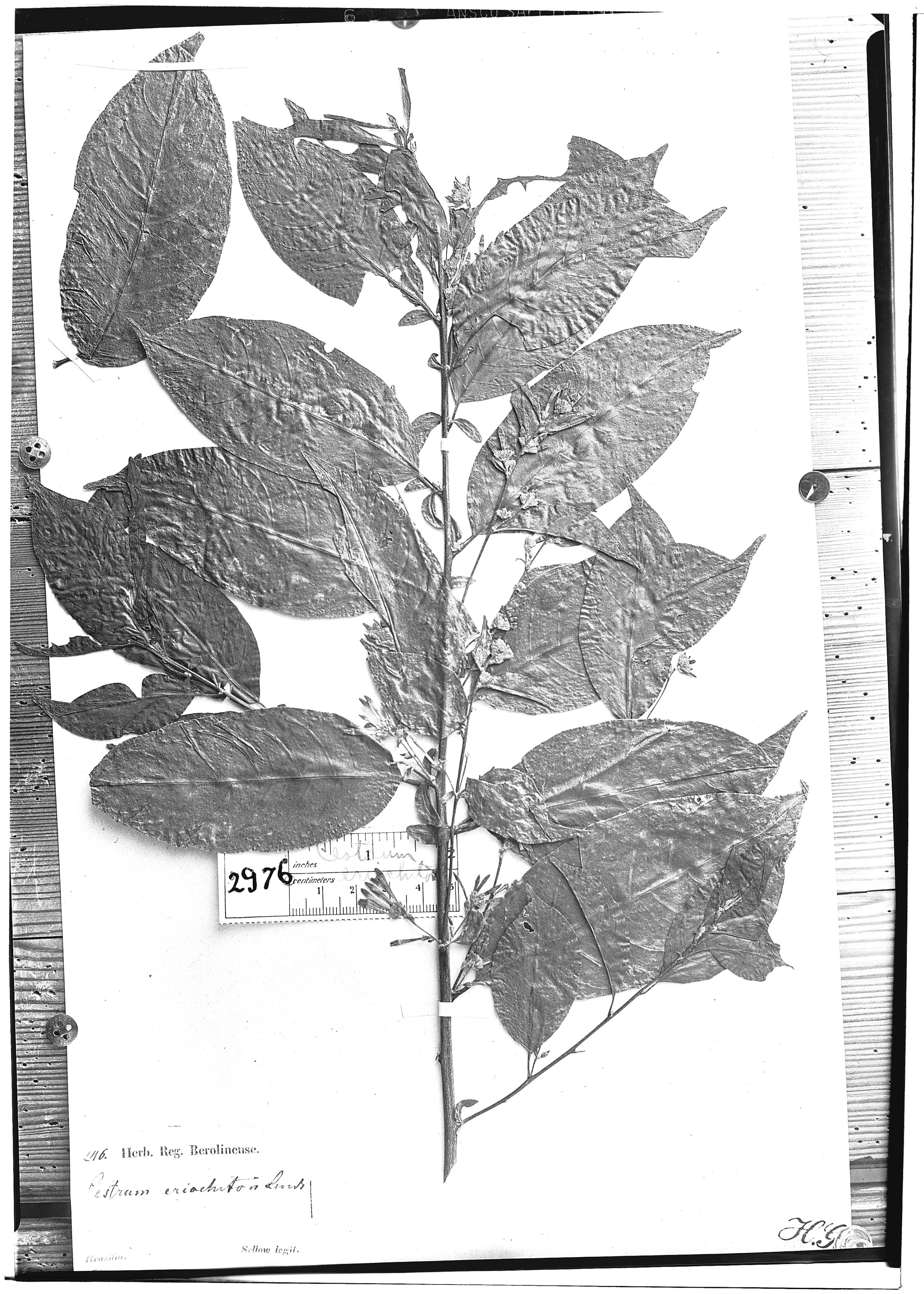
Image: F. Sellow (cc-by-nc)
NameCestrum eriochiton
Scientific NameCestrum eriochiton Sendtn.
Plant FamilySolanaceae
Natural HabitatNative to Brazil, specifically found in the Cerrado biome, often thriving in open forests, savannas, and disturbed areas.
Parts Usedleaf,flower
Medicinal Actionsanti-inflammatory, antimicrobial, analgesic
Traditional UsesTraditionally, leaves of Cestrum species have been used externally as poultices for inflammatory conditions, skin irritations, and wounds. Some traditional systems also report use for pain relief and as an antimicrobial, though internal use is highly cautioned due to the plant's known toxicity.
Active Constituentssteroidal glycoalkaloids, saponins, flavonoids
Preparation Methodsinfusion, poultice
Contraindications & WarningsAll Cestrum species are generally considered toxic, especially when ingested, due to steroidal glycoalkaloids. Symptoms of poisoning can include gastrointestinal upset, neurological effects, and respiratory issues. Should not be used internally without expert supervision; avoid during pregnancy and lactation.
Cultivation NotesPrefers full sun to partial shade and well-drained soil. As a tropical to subtropical shrub, it requires warm climates and protection from frost.
Rarityuncommon
Description
This specimen displays a pressed herbaceous or woody stem with alternate, simple, ovate to elliptic leaves, which appear somewhat pubescent. Small, clustered inflorescences are visible in the leaf axils, indicating a flowering stage of the plant.