Convolvulus Spinosus
NameConvolvulus Spinosus
Scientific NameConvolvulus spinosus
Common NamesSpiny Bindweed
Plant FamilyConvolvulaceae
Natural HabitatThis plant thrives in arid to semi-arid regions, commonly found on rocky slopes, dry grasslands, and sandy or gravelly soils. It is well-adapted to harsh, dry conditions and full sun exposure.
Parts Usedleaf,flower,root
Medicinal Actionsastringent, anti-inflammatory, antioxidant
Traditional UsesSpecific traditional medicinal uses for Convolvulus spinosus are not widely documented in ethnobotanical literature. However, other species within the Convolvulus genus have historically been used for their purgative properties, to aid in wound healing, and as astringents for various skin conditions. Given its adaptation to arid environments, it might have been locally employed for similar purposes or for general inflammatory relief, though direct evidence is scarce.
Active ConstituentsResin glycosides, Flavonoids, Phenolic compounds
Preparation Methodsinfusion, decoction, poultice, powder
Contraindications & WarningsDue to the presence of resin glycosides in many Convolvulus species, internal use may cause gastrointestinal upset, dehydration, and electrolyte imbalance. It is generally contraindicated during pregnancy and lactation, and for individuals with severe digestive disorders.
Cultivation NotesConvolvulus spinosus prefers full sun exposure and requires well-drained soil, tolerating poor or rocky conditions. It is highly drought-tolerant once established and requires minimal watering. Propagation can be achieved through seeds or cuttings.
Rarityuncommon
Description
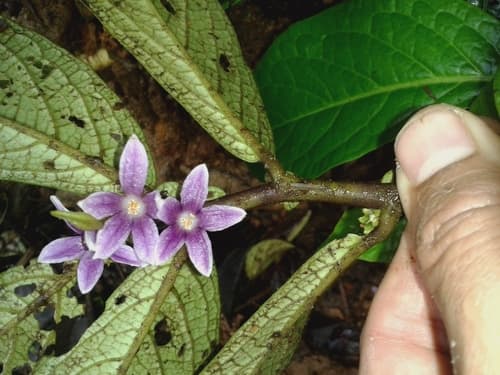
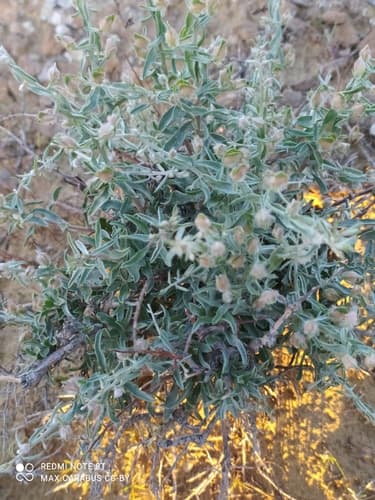
Convolvulus spinosus is a low-growing, perennial subshrub characterized by its numerous slender, often stiff or spiny branches. Its small, linear to oblong leaves are densely covered with silvery-white hairs, giving the plant a distinctive grayish-green appearance. Small, pale flowers typically emerge from the leaf axils.