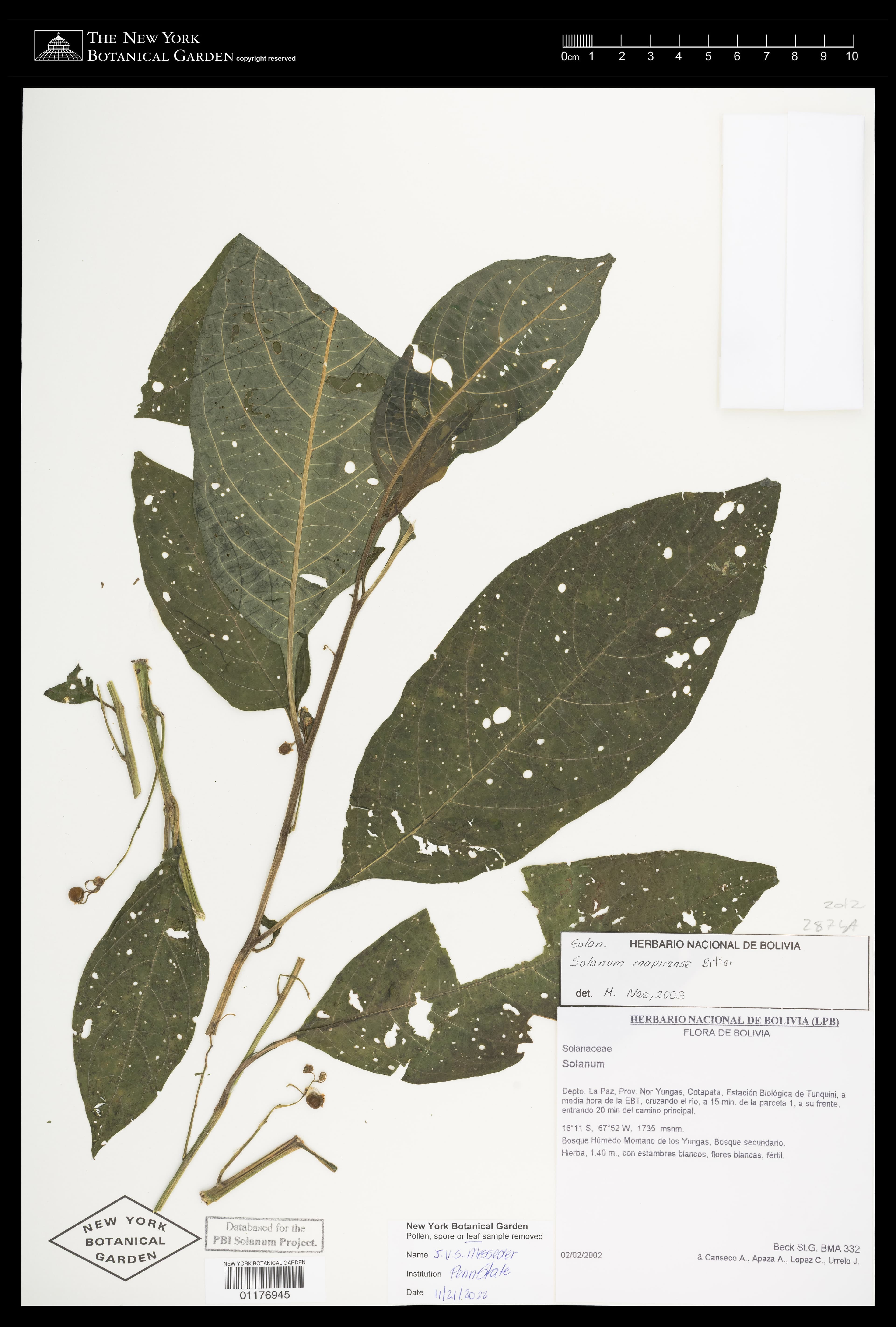
Poorman's Patch
NamePoorman's Patch
Scientific NameHypericum mutilum
Common NamesPoorman's Patch, Dwarf St. John's Wort, Small St. John's Wort
Plant FamilyHypericaceae
Natural HabitatCommonly found in moist to wet open areas such as meadows, swamps, ditches, and stream banks. It thrives in full sun to partial shade and disturbed grounds.
Parts Usedwhole_plant,leaf,flower
Medicinal Actionsanti-inflammatory, antimicrobial, antioxidant, astringent
Traditional UsesTraditionally, various Hypericum species, including H. mutilum to some extent, have been used externally for wound healing, burns, and skin irritations due to their astringent and antiseptic properties. Internally, it has been used for digestive complaints and as a general tonic, though less prominently than H. perforatum for mood disorders.
Active Constituentsflavonoids, tannins, naphthodianthrones (e.g., hypericin, in lower concentrations than H. perforatum)
Preparation Methodsinfusion, tincture, poultice, salve
Contraindications & WarningsGenerally considered safe for external use. Internal use should be approached with caution, especially given the potential for photosensitivity and drug interactions known from H. perforatum, though these effects are likely much milder or absent in H. mutilum. Pregnant/nursing women and those on medications should consult a healthcare professional.
Cultivation NotesGrows best in moist to wet soil conditions and prefers full sun to partial shade. It can tolerate a range of soil types but thrives in rich, well-drained loams. Propagates easily by seed or division.
Raritycommon
Description
A slender, branching herbaceous perennial, typically growing 10-60 cm tall. It features small, opposite, sessile, oval to oblong leaves and small, bright yellow, five-petaled flowers with numerous stamens, often found in terminal or axillary cymes.