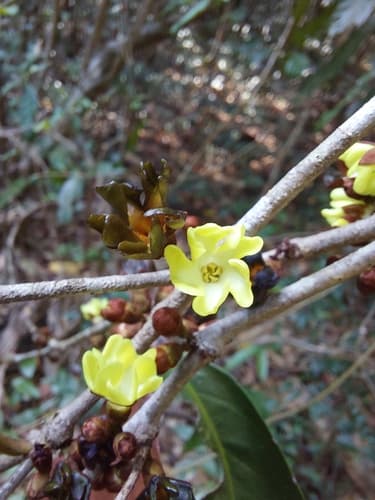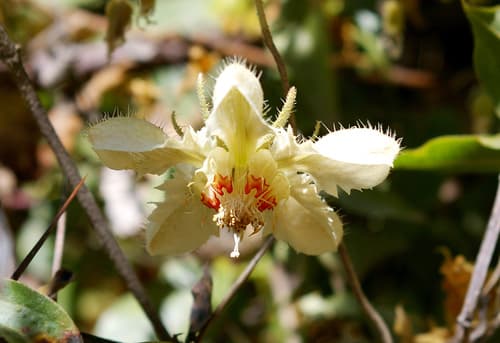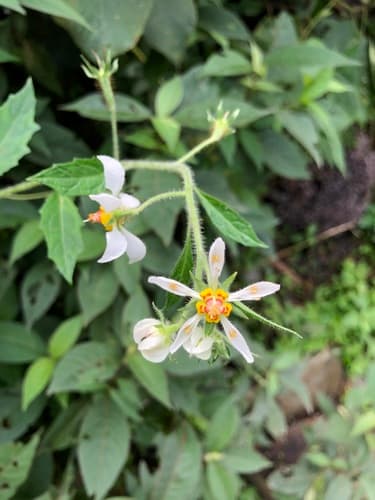
Physalis cinerea
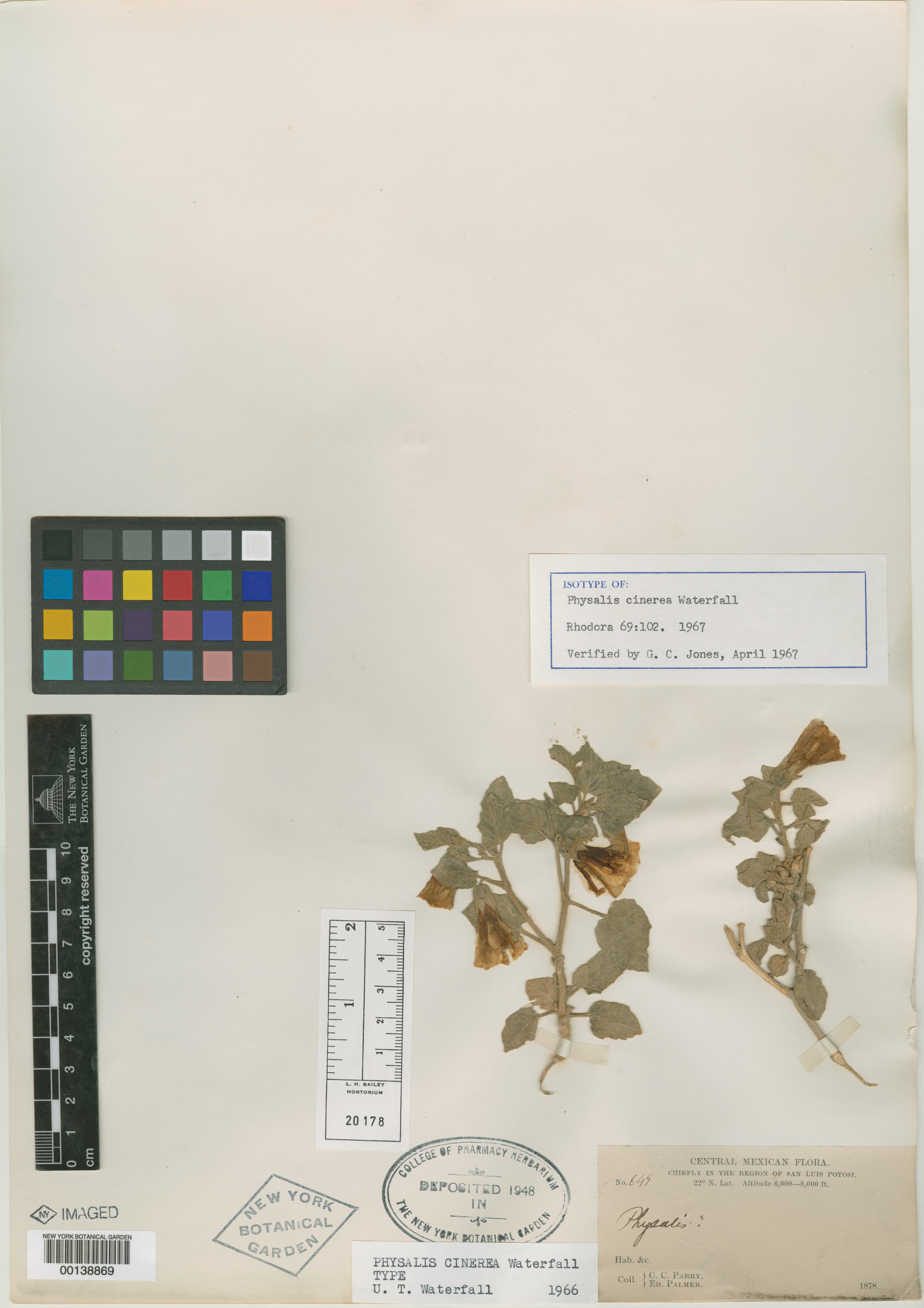
Image: The New York Botanical Garden (cc-by)
NamePhysalis cinerea
Scientific NamePhysalis cinerea Waterfall
Common NamesGroundcherry, Prairie Groundcherry, Dwarf Groundcherry
Plant FamilySolanaceae
Natural HabitatNative to Central Mexico, particularly found in regions like San Luis Potosí, at altitudes ranging from 6,000 to 8,000 feet. It typically grows in disturbed areas, fields, roadsides, and open woodlands.
Parts Usedfruit,leaf,whole_plant
Medicinal Actionsanti-inflammatory, antimicrobial, antioxidant, diuretic
Traditional UsesTraditionally, various Physalis species, including P. cinerea, have been used for their diuretic properties, to treat inflammatory conditions, and fevers. The ripe fruits are often consumed for their nutritional value and perceived health benefits.
Active ConstituentsPhysalins, Flavonoids, Carotenoids, Vitamin C
Preparation Methodsinfusion, decoction, powder
Contraindications & WarningsUnripe fruits of Physalis species can be toxic due to solanine-like compounds; only ripe fruits should be consumed. Pregnant or breastfeeding women should exercise caution, and individuals with allergies to the Solanaceae family should avoid use.
Cultivation NotesThis plant prefers full sun and well-drained soil, showing good drought tolerance once established. It can be easily grown from seed and often self-seeds, thriving in disturbed or open areas.
Raritycommon
Description
Physalis cinerea is a herbaceous annual plant characterized by its hairy stems and leaves. It produces small, bell-shaped, yellowish flowers that develop into berries enclosed within an inflated, papery calyx, typical of the Physalis genus.