Nasa urubambensis
NameNasa urubambensis
Scientific NameNasa urubambensis
Common NamesOrtiga brava (regional)
Plant FamilyLoasaceae
Natural HabitatEndemic to the Andean montane forests and cloud forests of Peru, often found in humid, disturbed areas at high altitudes.
Parts Usedleaf,whole_plant
Medicinal Actionsanalgesic, anti-inflammatory
Traditional UsesTraditionally, the plant, particularly its leaves, is used topically as a counter-irritant for rheumatic pain, arthritis, and muscle aches. The stinging hairs are sometimes intentionally applied to the skin for therapeutic purposes.
Active Constituentsflavonoids, phenolic acids, histamine, acetylcholine, serotonin
Preparation Methodspoultice, infusion
Contraindications & WarningsDirect skin contact causes stinging and irritation due to trichomes; avoid contact with eyes and mucous membranes. Internal use is not recommended due to lack of safety data and potential toxicity.
Cultivation NotesPrefers cool, humid conditions with partial shade and well-drained, rich soil. Requires protection from strong winds and frost. Can be propagated by seed or cuttings.
Rarityuncommon
Description
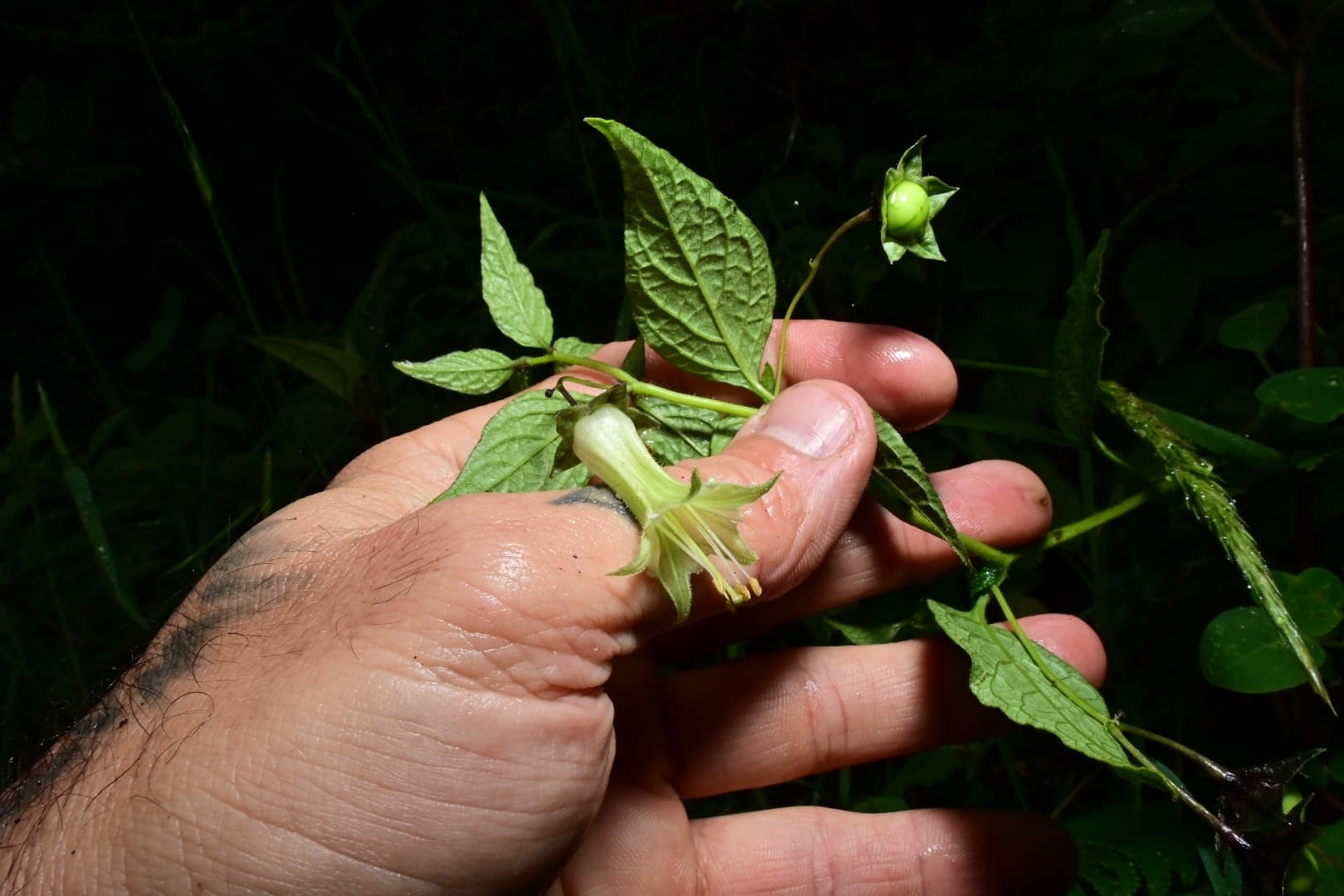
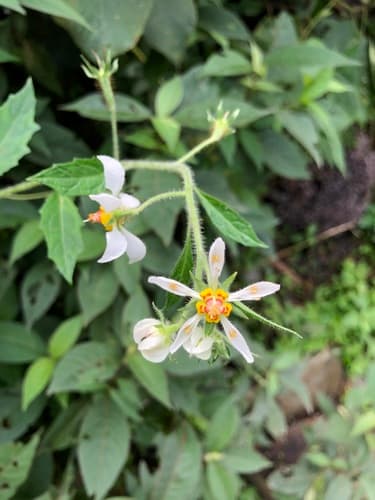
An herbaceous plant characterized by stinging hairs, serrated leaves, and distinctive white, star-shaped flowers with a prominent yellow and orange-red central corona. It typically grows as an upright or scrambling herb.