Pacific yew
NamePacific yew
Scientific NameTaxus brevifolia
Common NamesPacific Yew, Western Yew, Oregon Yew
Plant FamilyTaxaceae
Natural HabitatFound as an understory tree in moist, cool forests, often along streams or in shaded ravines, primarily in the Pacific Northwest of North America.
Parts Usedbark,leaf
Medicinal Actionsanti-inflammatory, antioxidant
Traditional UsesHistorically, various indigenous groups used parts of the yew for treating inflammation, rheumatism, stomach ailments, and as a general tonic. Modern medicine discovered its potent anti-cancer properties, leading to the development of paclitaxel (Taxol) from its bark.
Active ConstituentsTaxanes, Paclitaxel
Preparation Methodsdecoction, powder
Contraindications & WarningsAll parts of the Pacific yew, except the fleshy aril, are highly toxic and can cause severe poisoning, cardiac arrest, respiratory failure, and death if ingested. It is not suitable for self-medication and its use requires strict medical supervision, especially in the context of chemotherapy.
Cultivation NotesPrefers moist, well-drained soil and partial to full shade. It is a slow-growing species and can be challenging to cultivate from seed; propagation is often more successful through cuttings.
Rarityuncommon
Description
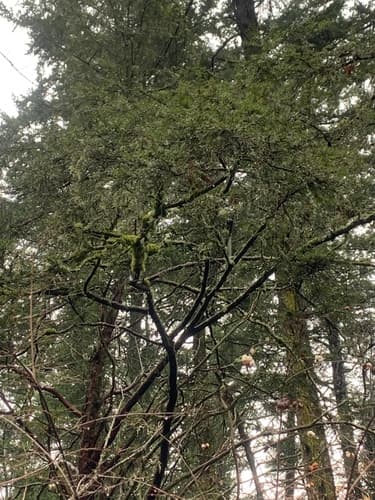
A slow-growing, coniferous evergreen tree, typically small to medium-sized, characterized by its thin, reddish-brown bark and flattened, dark green needles. It produces distinctive red, fleshy arils around its seeds, which are otherwise highly toxic.