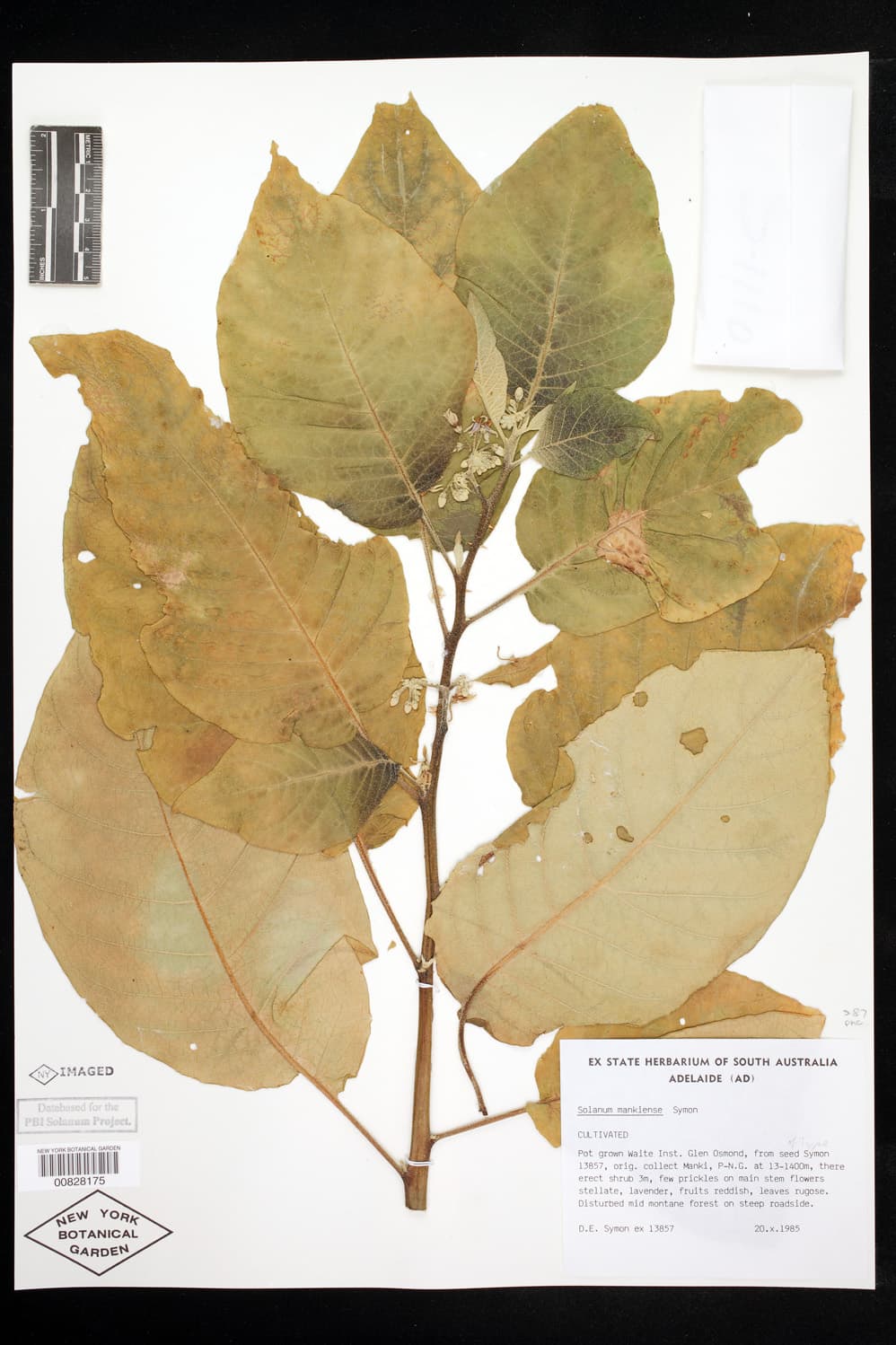
Solanum torricellense
Image: The New York Botanical Garden (cc-by)
NameSolanum torricellense
Scientific NameSolanum torricellense Bitter
Common NamesTorricelli Nightshade
Plant FamilySolanaceae
Natural HabitatNative to New Guinea, it thrives in lowland to montane rainforests, forest margins, and disturbed areas such as roadsides and clearings. It is often found in secondary vegetation.
Parts Usedleaf,fruit,root
Medicinal Actionsanalgesic, anti-inflammatory, antimicrobial
Traditional UsesWhile specific traditional uses for Solanum torricellense are not widely documented, other Solanum species are traditionally used in various cultures for treating pain, inflammation, skin conditions, and fevers. These uses are often attributed to the presence of steroidal glycoalkaloids.
Active ConstituentsSteroidal glycoalkaloids, Solasodine, Solamargine, Solasonine
Preparation Methodsinfusion, decoction, poultice
Contraindications & WarningsDue to the presence of potentially toxic steroidal glycoalkaloids, internal use of Solanum torricellense should be approached with extreme caution or avoided. Contraindications likely include pregnancy, lactation, young children, and individuals with liver or kidney conditions. May cause gastrointestinal upset or neurological symptoms.
Cultivation NotesThis species prefers tropical or subtropical climates with well-drained soil and can tolerate full sun to partial shade. It is typically propagated by seed.
Rarityuncommon
Description
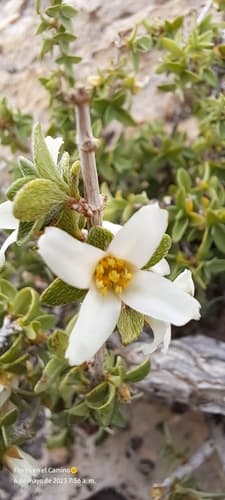
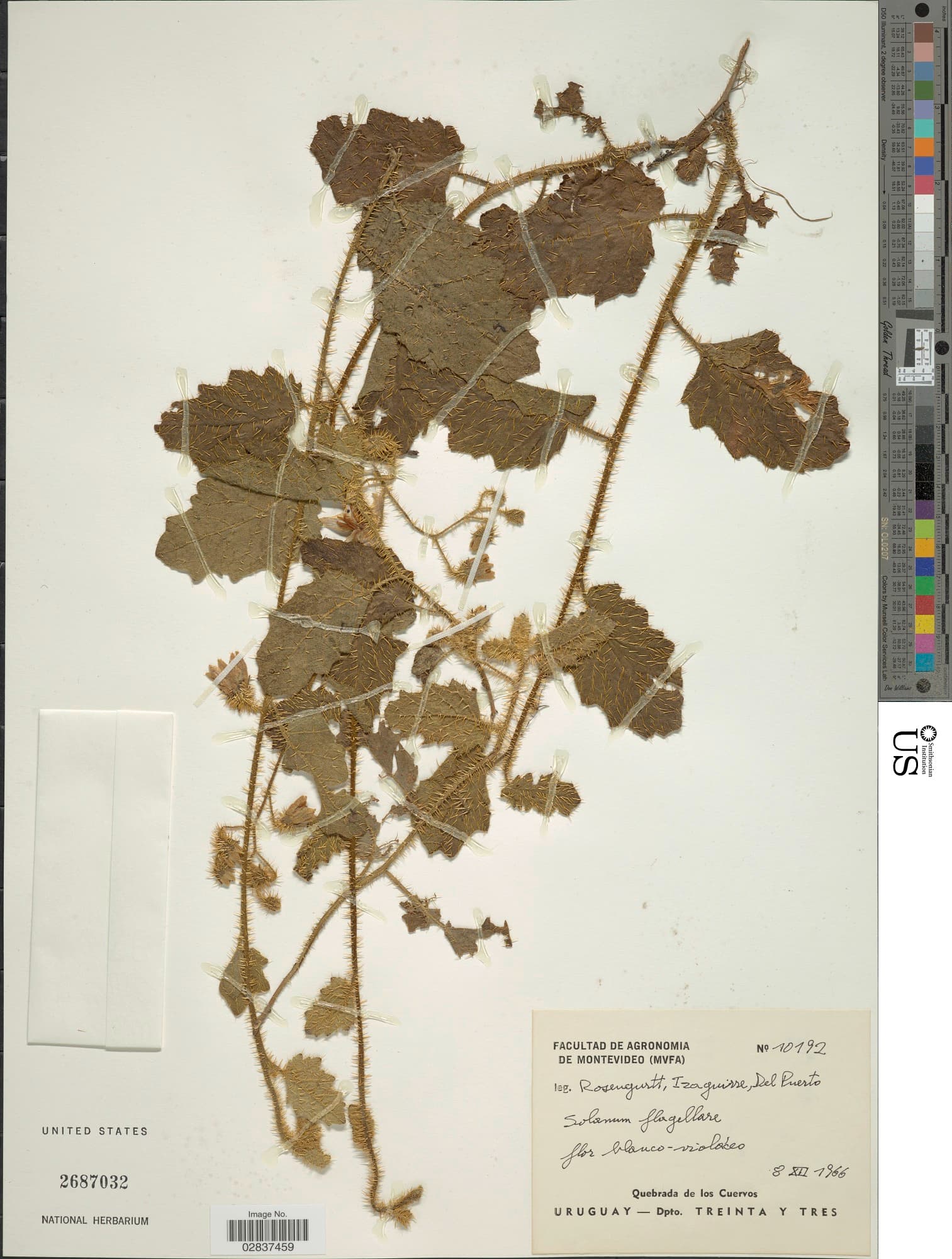
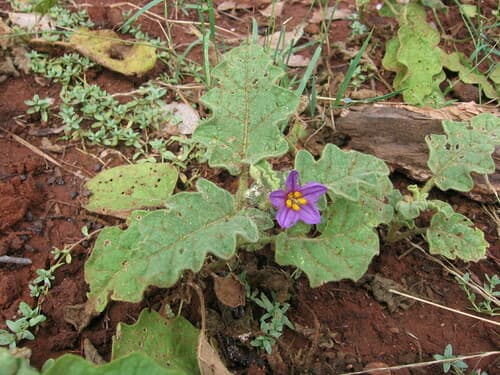
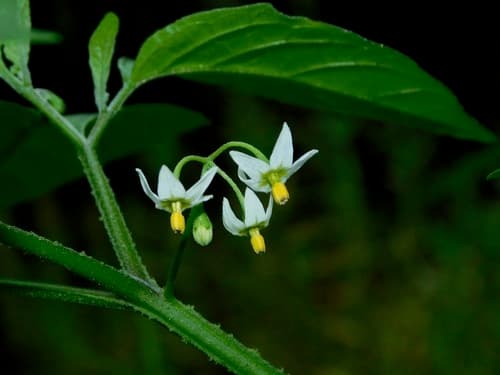
Solanum torricellense is a spiny shrub or small tree, typically growing 3-5 meters tall. It features ovate to elliptic leaves, often covered in fine hairs, and produces stellate, usually purple flowers that develop into globose, yellow or orange berries.