Heartleaf Morning-Glory
NameHeartleaf Morning-Glory
Scientific NameIpomoea hederacea
Common NamesHeartleaf Morning-Glory, Ivy-leaved Morning Glory, Japanese Morning Glory
Plant FamilyConvolvulaceae
Natural HabitatThis plant is commonly found in disturbed areas, cultivated fields, gardens, roadsides, and waste places. It thrives in warm climates and is often considered a weed in agricultural settings.
Parts Usedseed,leaf,root
Medicinal Actionsdiuretic, anti-inflammatory, antimicrobial
Traditional UsesTraditionally, the seeds of Heartleaf Morning-Glory have been used as a strong purgative and anthelmintic (to expel intestinal worms). The leaves are sometimes applied topically as a poultice for boils, sores, and skin inflammations, while the root may also be used for its purgative properties.
Active Constituentsresin glycosides, alkaloids
Preparation Methodsdecoction, powder, poultice
Contraindications & WarningsDue to its strong purgative action, Heartleaf Morning-Glory should be used with extreme caution. It is contraindicated in pregnancy, breastfeeding, children, and individuals with intestinal obstruction, inflammatory bowel disease, or severe abdominal pain. Overdose can cause severe gastrointestinal distress.
Cultivation NotesHeartleaf Morning-Glory is an easy-to-grow annual vine that often self-seeds readily, sometimes becoming invasive. It prefers full sun and well-drained soil, tolerating a range of soil types. It requires support for climbing.
Raritycommon
Description
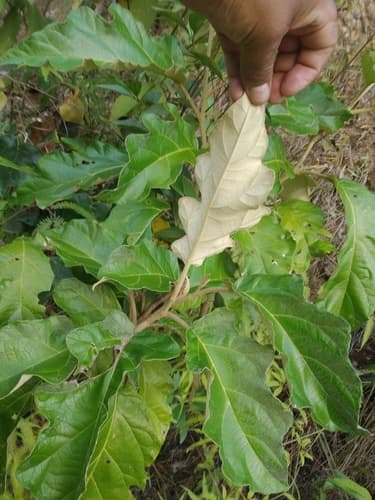
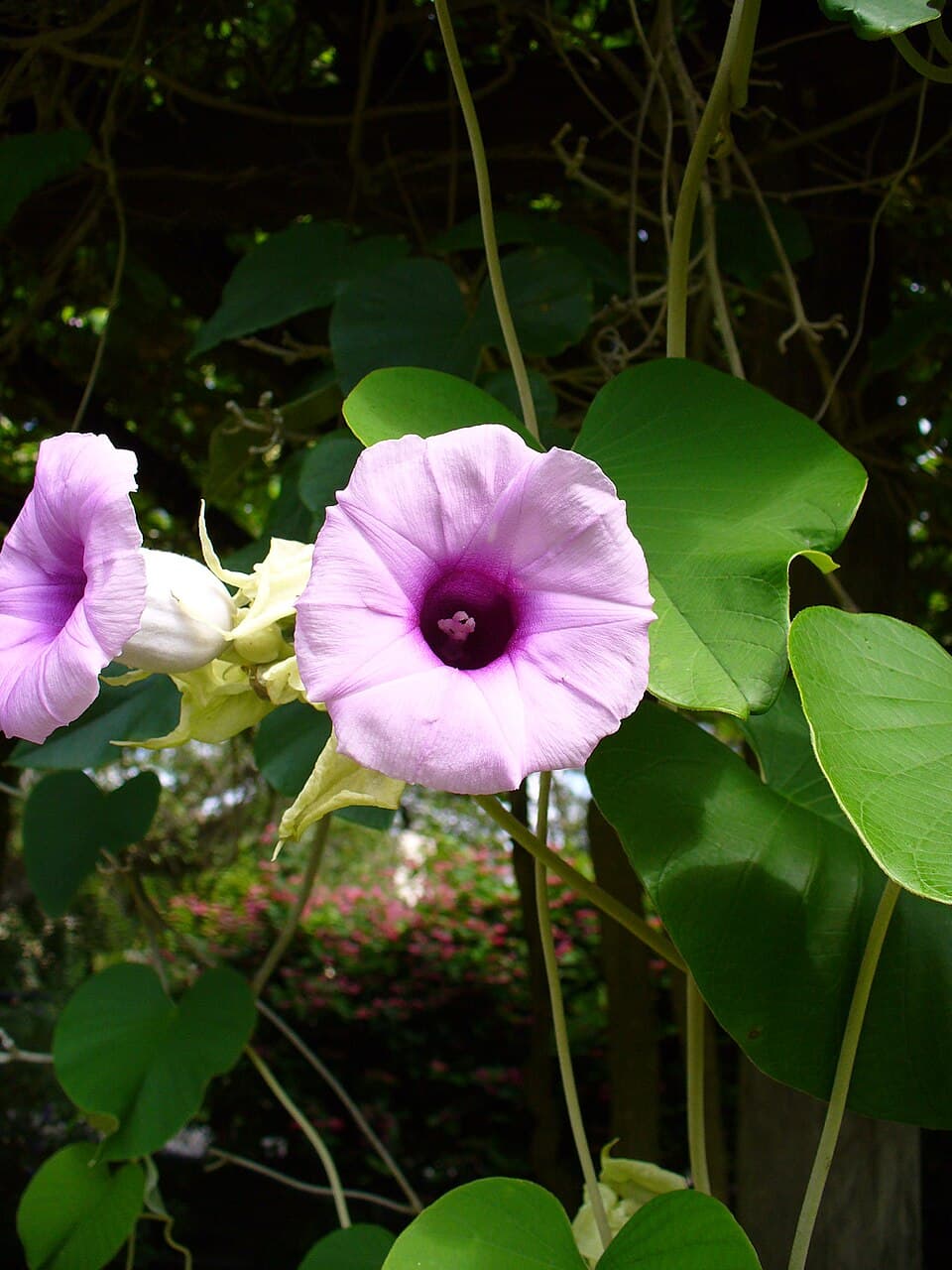
Heartleaf Morning-Glory is an annual climbing vine characterized by its heart-shaped to three-lobed leaves and vibrant blue, trumpet-shaped flowers with a white or pale yellow throat. The plant twines around other vegetation or structures, producing numerous flowers that typically open in the morning.