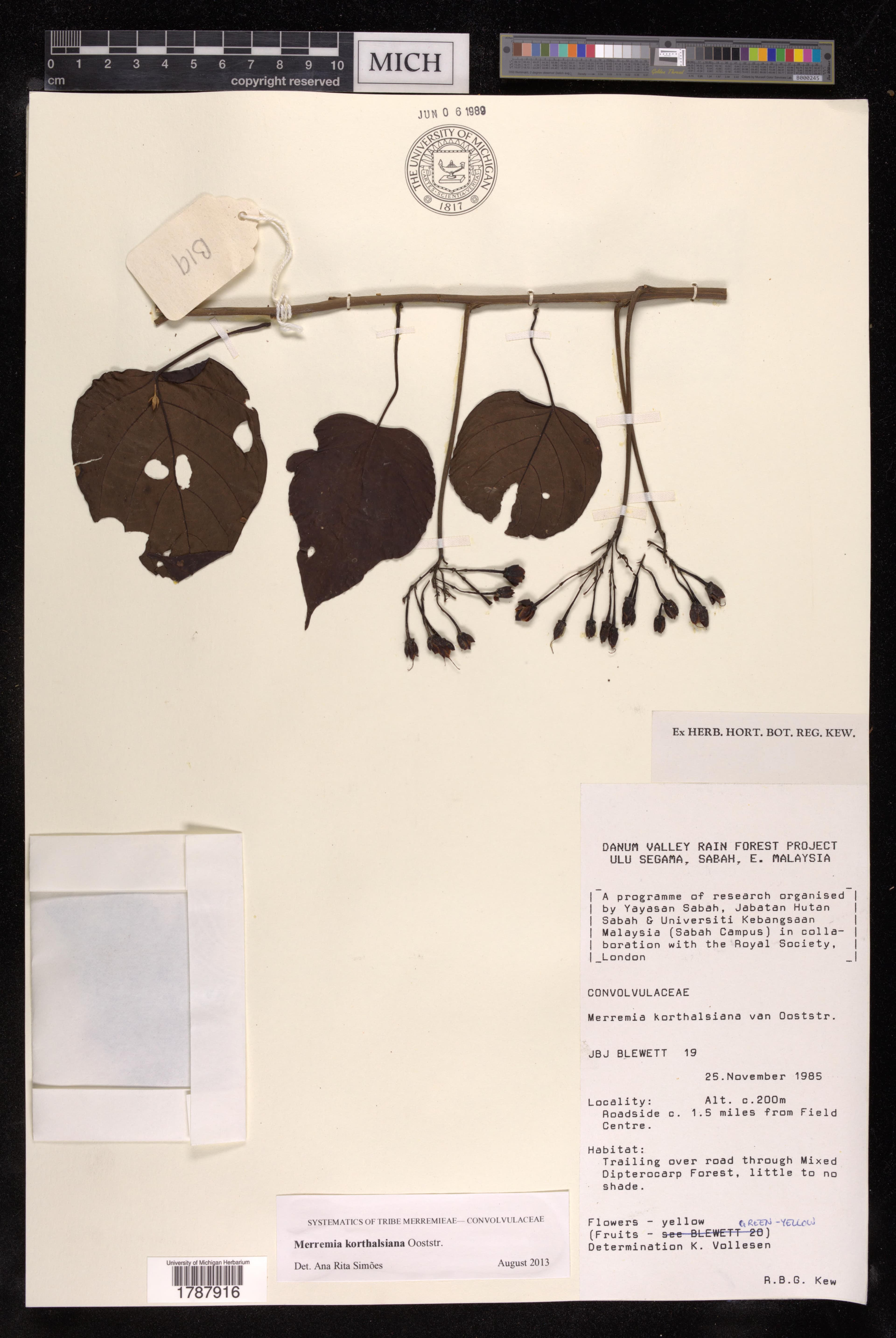
Pacific goldenthread
NamePacific goldenthread
Scientific NameCuscuta salina
Common NamesDodder, Salt Marsh Dodder, Pacific Dodder, Goldenthread
Plant FamilyConvolvulaceae
Natural HabitatThis parasitic plant thrives in coastal salt marshes, estuaries, and brackish environments along the Pacific coast of North America. It typically parasitizes a variety of herbaceous and succulent plants, including pickleweed (Salicornia) and other halophytes.
Parts Usedwhole_plant
Medicinal Actionsadaptogen, antioxidant, diuretic
Traditional UsesWhile specific traditional uses for Cuscuta salina are less documented than for Asian Cuscuta species, dodders in general have been traditionally used as a tonic for kidney and liver health, to improve vision, and to strengthen bones. Some species are also employed for reproductive issues and urinary complaints.
Active ConstituentsFlavonoids, Lignans, Polysaccharides, Coumarins
Preparation Methodsinfusion, decoction, powder
Contraindications & WarningsGenerally contraindicated during pregnancy and lactation. As a parasitic plant, it can be toxic to livestock in large quantities. Individuals with specific health conditions should consult a healthcare professional before use.
Cultivation NotesThis plant is parasitic and cannot be cultivated independently. It requires a suitable host plant for germination and growth, attaching via specialized structures called haustoria. It is often considered an agricultural weed.
Raritycommon
Description
Cuscuta salina, commonly known as Pacific goldenthread or Salt Marsh Dodder, is a parasitic annual plant. It is characterized by its slender, leafless, orange to yellowish-orange, thread-like stems that twine tightly around host plants, producing clusters of small, white to cream-colored, bell-shaped flowers.