Tzeltalia Calidaria
Image: Conveyor Belt (cc0)
NameTzeltalia Calidaria
Scientific NameTzeltalia calidaria (Standl. & Steyerm.) E. Estrada & M. Martínez
Common NamesNone widely recognized
Plant FamilySolanaceae
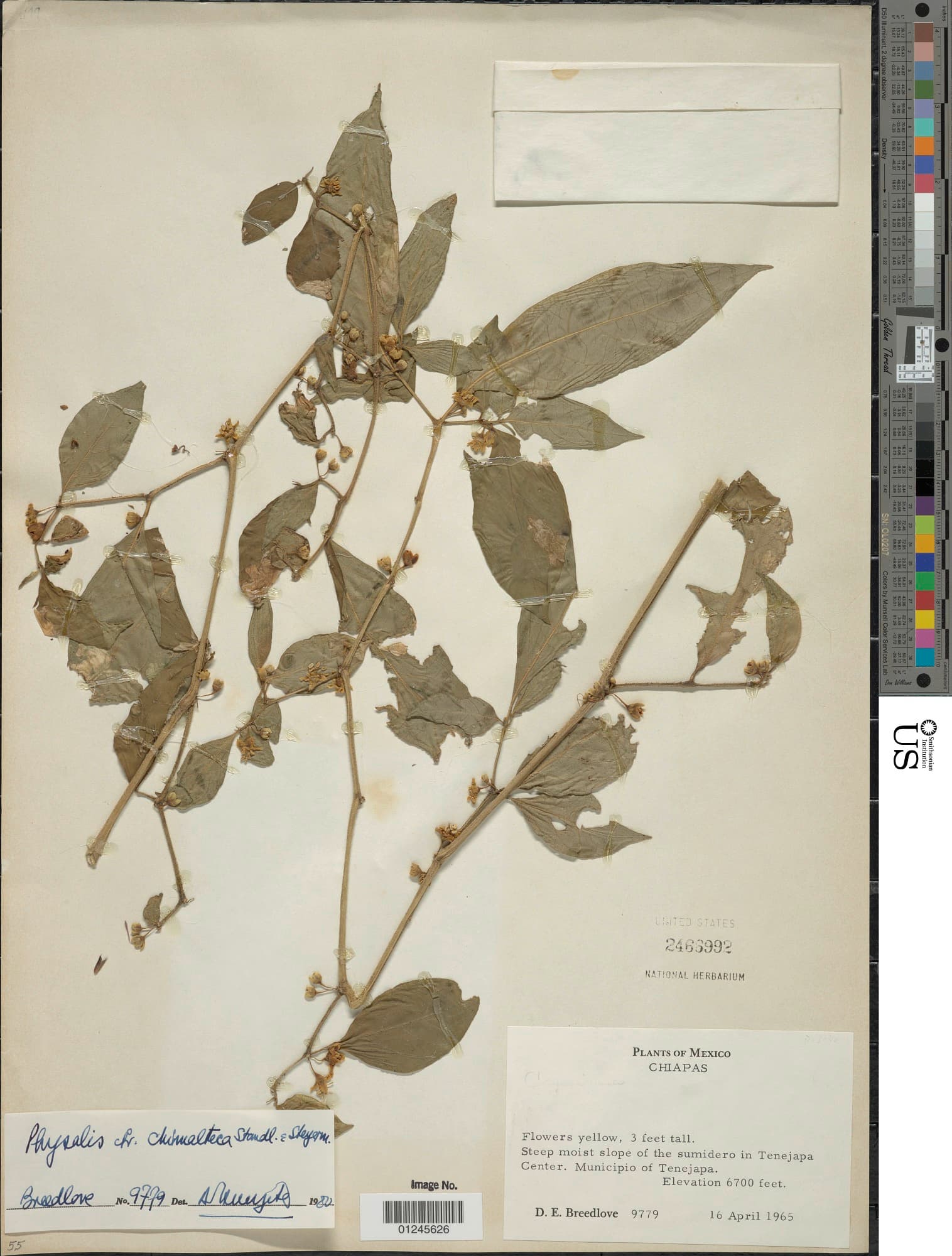
Natural HabitatNative to the cloud forests and moist, steep slopes of the highlands of Chiapas, Mexico, often found at elevations around 6700 feet (2000 meters). It thrives in cool, humid conditions.
Parts Usedfruit,leaf
Medicinal Actionsantioxidant, anti-inflammatory
Traditional UsesWhile specific traditional uses for Tzeltalia calidaria are not extensively documented, its fruits are likely edible when ripe, similar to other species within the closely related Physalis genus, and may have been consumed for their nutritional value. Related Physalis species are traditionally used in folk medicine for their anti-inflammatory and diuretic properties.
Active ConstituentsPhysalins, Flavonoids, Carotenoids
Preparation Methodsinfusion, powder
Contraindications & WarningsUnripe fruits of some closely related Physalis species can be toxic due to solanine-like compounds; caution is advised. Specific contraindications for Tzeltalia calidaria are not well-documented.
Cultivation NotesPrefers moist, well-drained soil and a cool, high-altitude climate, mimicking its native cloud forest habitat. It can tolerate partial shade to full sun, but consistent moisture is crucial.
Rarityuncommon
Description
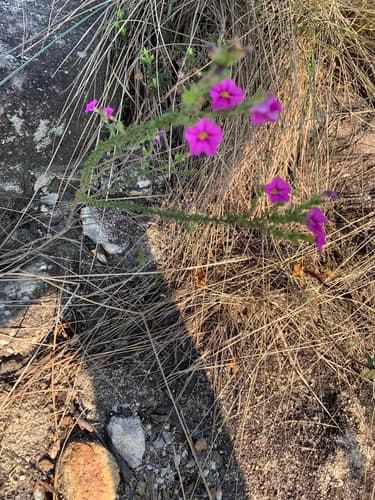
A herbaceous perennial plant typically growing up to 3 feet tall, characterized by ovate leaves and small, yellow, bell-shaped flowers. These flowers develop into fruits enclosed within an inflated, papery calyx, typical of the Physalis genus to which it is closely related.