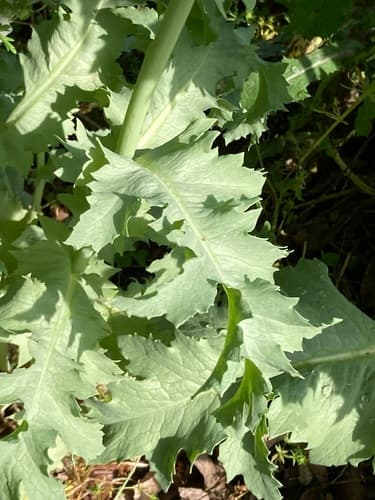
Opium poppy
NameOpium poppy
Scientific NamePapaver somniferum
Common NamesOpium poppy, Breadseed poppy, Garden poppy
Plant FamilyPapaveraceae
Natural HabitatNative to the eastern Mediterranean and Asia Minor, it is now widely cultivated in temperate regions globally. It thrives in full sun and well-drained, fertile soil.
Parts Usedfruit,seed
Medicinal Actionsanalgesic, sedative
Traditional UsesHistorically, the dried latex (opium) from the unripe seed pods has been used as a powerful analgesic for pain relief, a sedative to induce sleep, and an antitussive to suppress coughs. Its use is now highly restricted due to its potent psychoactive and addictive properties.
Active Constituentsmorphine, codeine, thebaine, papaverine, noscapine
Preparation Methodspowder
Contraindications & WarningsEXTREMELY DANGEROUS. All parts of the plant, except the mature seeds, contain highly toxic and addictive alkaloids. Cultivation and use of the opium poppy for medicinal purposes without strict legal authorization is illegal in most countries. Risk of severe addiction, overdose, respiratory depression, and death. Should NEVER be used for self-medication.
Cultivation NotesGrows best in full sun and well-drained soil. Seeds are typically sown directly in spring. Requires moderate water. Cultivation for opium production is illegal in many regions, though ornamental and breadseed varieties may be permitted.
Raritycommon
Description
The opium poppy is an annual herbaceous plant characterized by its glaucous (bluish-green) foliage. It features large, deeply lobed leaves with serrated margins that clasp the stem, and produces large, showy flowers followed by distinctive spherical seed pods.