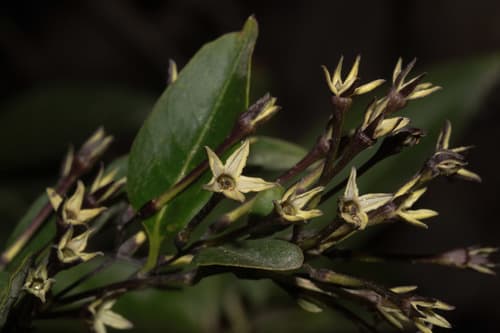
Solanum oblongum
Image: Orejuela, Andres & Castillo, Jhoana (cc0)
NameSolanum oblongum
Scientific NameSolanum oblongum Griseb.
Plant FamilySolanaceae
Natural HabitatNative to tropical and subtropical regions of South America, particularly found in Peru and Bolivia, often growing in forest understories or disturbed areas.
Parts Usedleaf,fruit
Medicinal Actionsanti-inflammatory, antimicrobial, analgesic
Traditional UsesSpecific traditional medicinal uses for Solanum oblongum are not widely documented in common ethnobotanical literature. However, many species within the Solanum genus are traditionally used for their anti-inflammatory, analgesic, and antimicrobial properties, often applied topically for skin conditions, pain, or swelling. Internal use of Solanum species is generally approached with extreme caution due to potential toxicity.
Active Constituentssteroidal glycoalkaloids
Preparation Methodspoultice, decoction, salve
Contraindications & WarningsMany Solanum species, including likely Solanum oblongum, contain steroidal glycoalkaloids which can be toxic, especially in unripe fruits and other plant parts. Ingestion can cause gastrointestinal upset, neurological symptoms, and in severe cases, be fatal. Use should be strictly external and with extreme caution, avoiding broken skin. Pregnant or breastfeeding individuals and young children should avoid use.
Cultivation NotesPrefers warm, humid, tropical to subtropical climates with well-drained soil. It can tolerate some shade, typical of understory plants. Propagation is likely by seed or cuttings. Requires consistent moisture but not waterlogging.
Rarityuncommon
Description
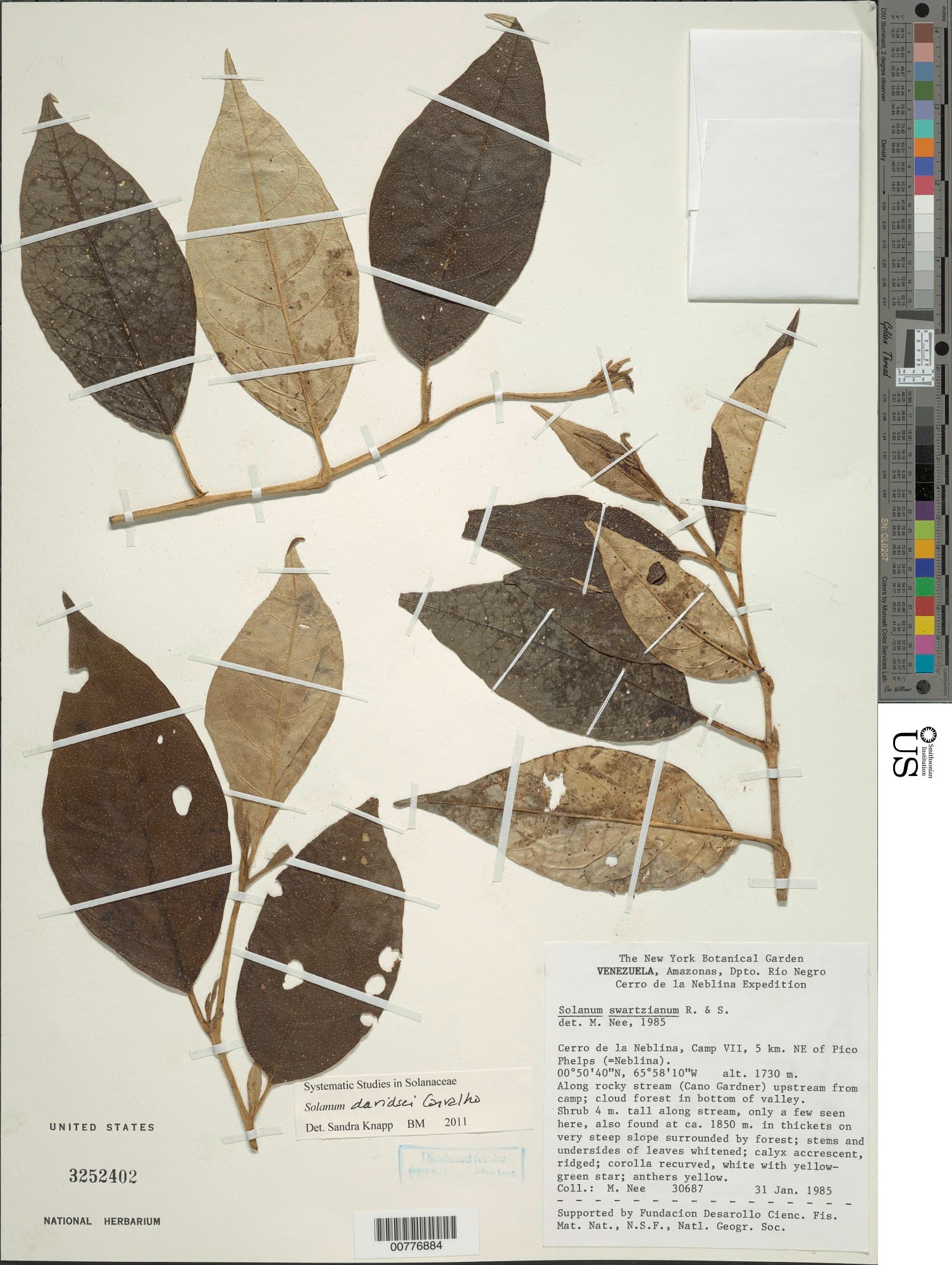
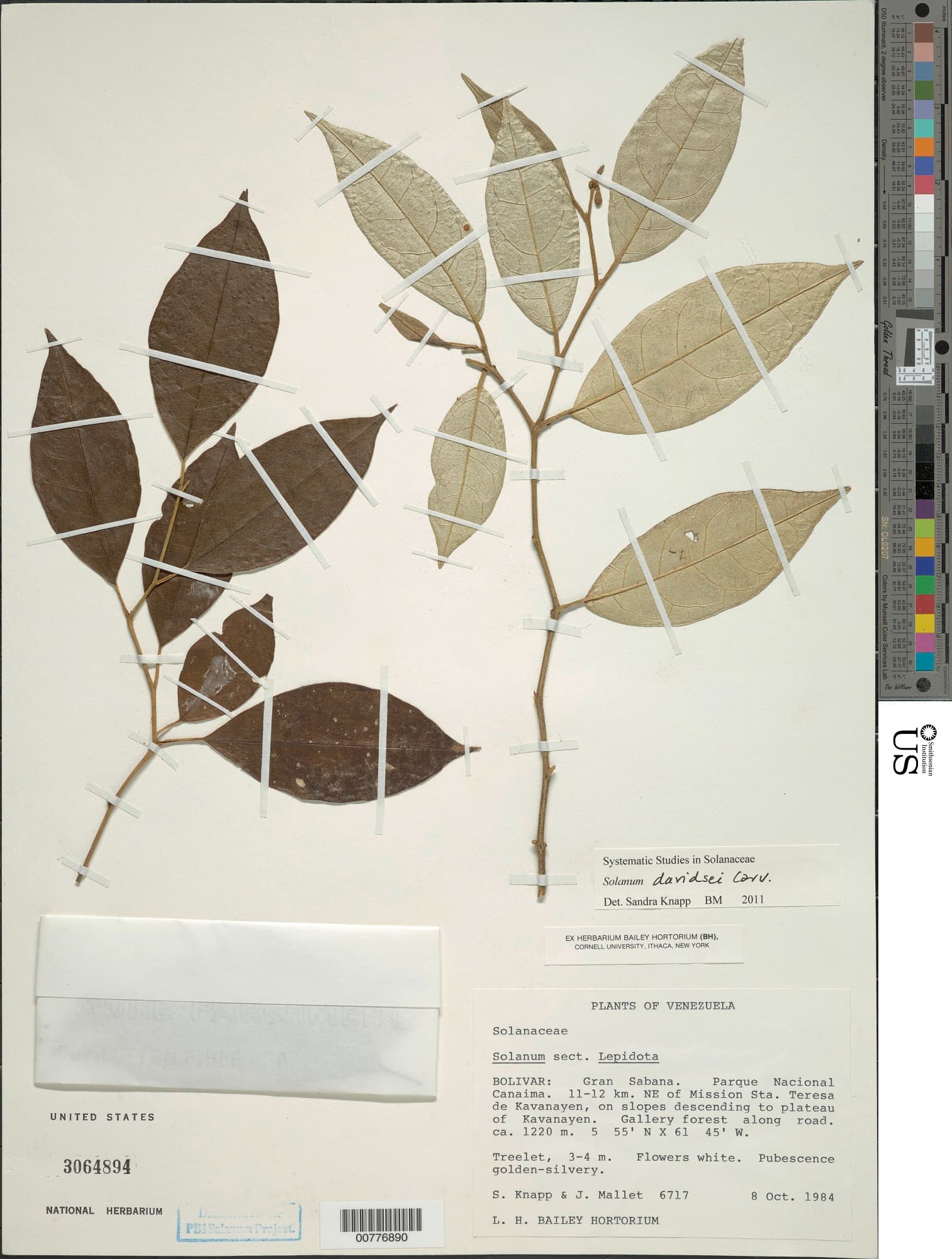
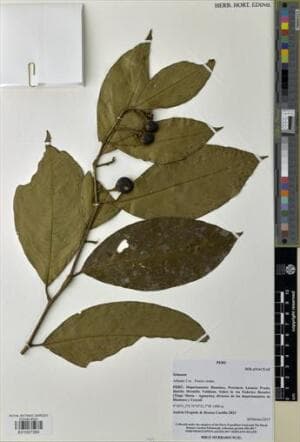
Solanum oblongum is a shrub or small tree species characterized by its oblong to elliptic leaves, typically dark green and somewhat leathery. It produces small, spherical, dark-colored fruits, often found in clusters along the stem. The specimen shows a branch with several leaves and mature fruits.