Black Cohosh
NameBlack Cohosh
Scientific NameActaea racemosa
Common NamesBlack Cohosh, Black Snakeroot, Bugbane, Fairy Candle
Plant FamilyRanunculaceae
Natural HabitatIt thrives in moist, rich, deciduous woodlands, forest edges, and clearings, preferring partial to full shade. It is commonly found in the understory of mature forests across its native range.
Parts Usedroot
Medicinal Actionsanti-inflammatory, nervine, sedative
Traditional UsesTraditionally, Native American tribes used Black Cohosh for a variety of ailments, particularly gynecological issues such as menstrual cramps, labor pains, and menopausal symptoms. It was also employed for snakebites, rheumatism, and fever. In modern herbalism, it is primarily valued for its efficacy in alleviating menopausal symptoms like hot flashes, night sweats, and mood swings.
Active ConstituentsTriterpene glycosides, Phenolic acids, Flavonoids
Preparation Methodsinfusion, decoction, tincture, powder
Contraindications & WarningsNot recommended during pregnancy or lactation, or for individuals with liver disease or hormone-sensitive cancers. It may interact with hormone replacement therapies, blood pressure medications, and certain sedatives.
Cultivation NotesBlack Cohosh prefers moist, well-drained, humus-rich soil in partial to full shade. It can be propagated by seed, though germination can be slow and erratic, or by division of the rhizome. Plants take several years to establish and reach flowering maturity.
Rarityuncommon
Description
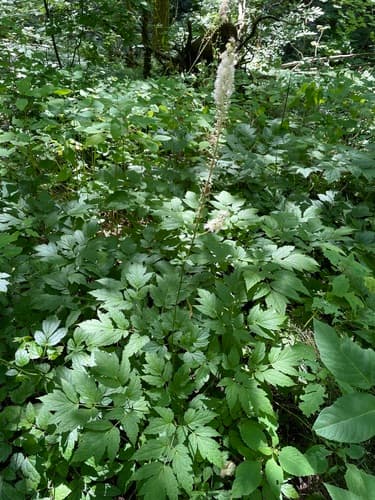
Black Cohosh is a tall, perennial herb native to eastern North America, characterized by large, deeply lobed, compound leaves and a striking, slender raceme of white, bottlebrush-like flowers that can reach up to 8 feet in height. It typically blooms in late summer, adding a distinctive vertical element to the forest understory.