O'ahu 'aiea
NameO'ahu 'aiea
Scientific NameNothocestrum longifolium
Common NamesO'ahu 'aiea, Longleaf Nothocestrum
Plant FamilySolanaceae
Natural HabitatEndemic to the island of O'ahu, Hawai'i, typically found in mesic to wet forests at elevations ranging from 300 to 1000 meters. It thrives in the understory of native Hawaiian forests.
Parts Usedleaf,bark
Medicinal Actionsanti-inflammatory, antimicrobial
Traditional UsesIn traditional Hawaiian medicine (La'au Lapa'au), the bark and leaves of 'aiea species were used externally as poultices for skin conditions, sores, and internally for fevers and general debility. It was also historically used as a purgative.
Active Constituentsalkaloids, saponins, flavonoids
Preparation Methodsinfusion, decoction, poultice
Contraindications & WarningsDue to the presence of various alkaloids, including tropane alkaloids, *Nothocestrum longifolium* can be toxic if misused. Internal use should be approached with extreme caution and only under expert guidance. It is not recommended for pregnant or nursing women, or children.
Cultivation NotesRequires well-drained soil, partial shade, and a humid, tropical environment to thrive. Propagation can be achieved through seeds or cuttings, but it is a slow-growing species.
Rarityvery-rare
Description
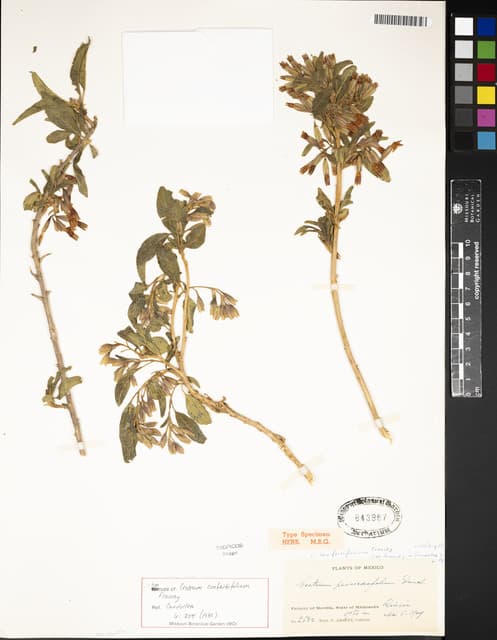
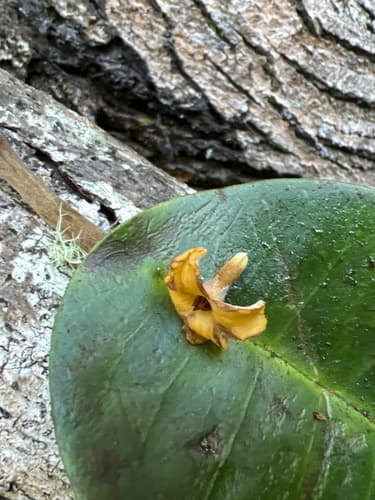
O'ahu 'aiea is a small tree or shrub endemic to O'ahu, Hawai'i, characterized by its long, leathery, dark green leaves. It produces small, yellowish-green, tubular flowers that develop into small, berry-like fruits.