Horse Chestnut
Image: Mark (cc-by-nc)
NameHorse Chestnut
Scientific NameAesculus hippocastanum
Common NamesHorse Chestnut, Conker Tree, European Horsechestnut
Plant FamilySapindaceae
Natural HabitatNative to the Balkan Peninsula, it is widely cultivated and naturalized in parks, avenues, and woodlands across temperate regions globally.
Parts Usedseed,bark,leaf,flower
Medicinal Actionsanti-inflammatory, astringent, antioxidant
Traditional UsesTraditionally, Horse Chestnut is primarily used for chronic venous insufficiency, varicose veins, hemorrhoids, and leg ulcers due to its venotonic properties. Historically, the bark and leaves were also employed for fevers and malaria-like conditions.
Active ConstituentsAescin, Aesculin, Flavonoids, Tannins
Preparation Methodstincture, decoction, powder, salve
Contraindications & WarningsRaw Horse Chestnut is toxic and should not be consumed. It is contraindicated in pregnancy, lactation, kidney or liver disease, and in individuals taking anticoagulant medications. May cause gastrointestinal upset.
Cultivation NotesThis tree thrives in full sun to partial shade and requires moist, well-drained soil. It is tolerant of urban pollution and grows into a large specimen, needing ample space for its mature size.
Raritycommon
Description
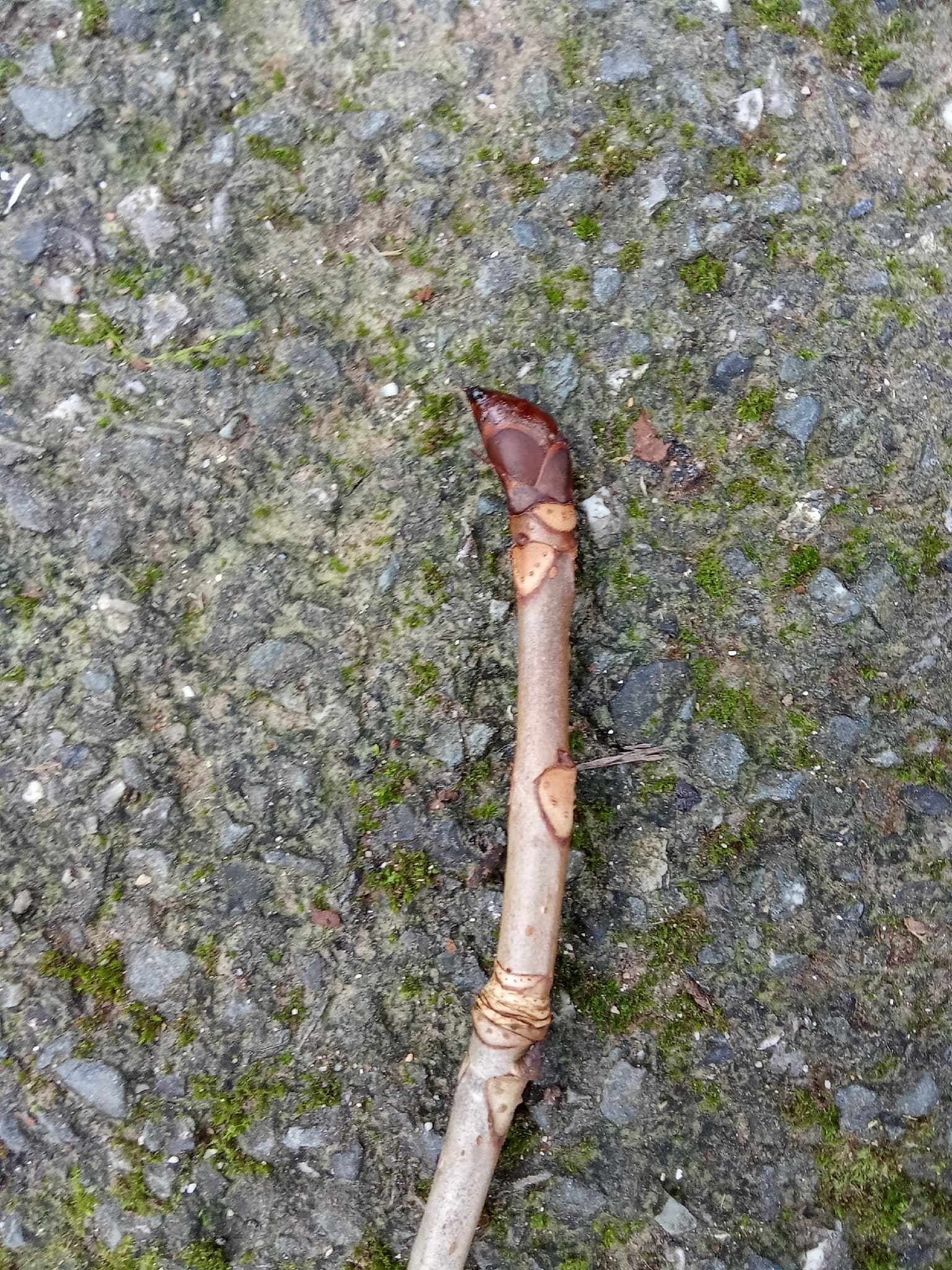
A large deciduous tree, Horse Chestnut is characterized by its distinctive palmate leaves, showy white flowers, and spiny green fruit containing glossy brown seeds. The image displays a typical large, sticky, reddish-brown winter bud on a stout twig, indicative of the species.