Nolana peruviana
NameNolana peruviana
Scientific NameNolana peruviana
Common NamesNolana, Peruvian Nolana
Plant FamilySolanaceae
Natural HabitatNative to the coastal deserts of Peru and Chile, thriving in arid, sandy, or rocky soils, often in close proximity to the ocean.
Parts Usedleaf,flower
Medicinal Actionsantioxidant, anti-inflammatory
Traditional UsesSpecific traditional medicinal uses for *Nolana peruviana* are not widely documented in mainstream ethnobotanical literature. The genus *Nolana* is primarily recognized for its ornamental value and as a component of the unique flora of South American coastal deserts. Any medicinal applications would likely be highly localized and not extensively published.
Active ConstituentsAlkaloids (e.g., tropane alkaloids in some related species), Flavonoids
Preparation Methodsinfusion, powder
Contraindications & WarningsDue to the lack of documented medicinal uses and the potential presence of alkaloids (common in the Solanaceae family, which can be toxic), internal use of *Nolana peruviana* is not recommended. Caution should be exercised with any external application. Pregnant or nursing individuals and children should avoid use.
Cultivation NotesPrefers full sun and extremely well-drained, sandy or gravelly soil, mimicking its native desert habitat. It is highly drought-tolerant once established and is suitable for xeriscaping or rock gardens in arid to semi-arid climates. Propagation is typically by seed.
Rarityuncommon
Description
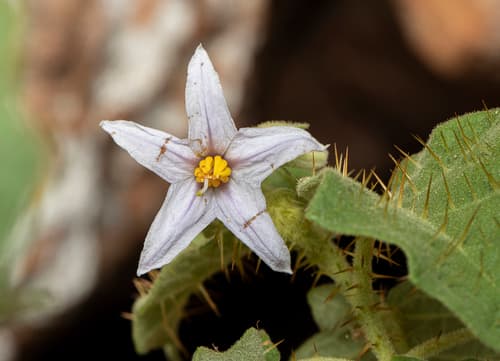
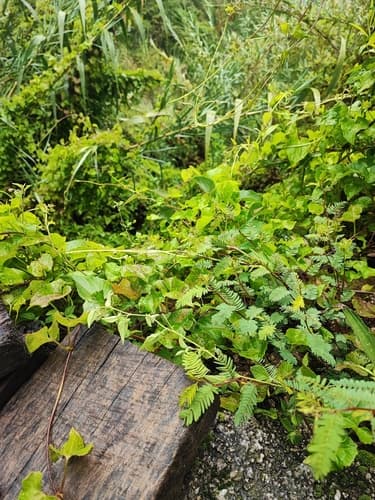
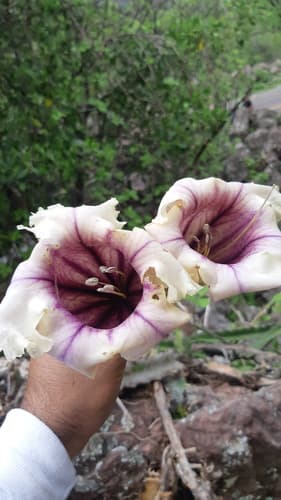
Nolana peruviana is a low-growing, often succulent or semi-succulent perennial or annual plant. It features small, fleshy, often hairy leaves and produces delicate, bell-shaped flowers, typically pale yellow or cream, with prominent stamens.