Cestrum mositicum
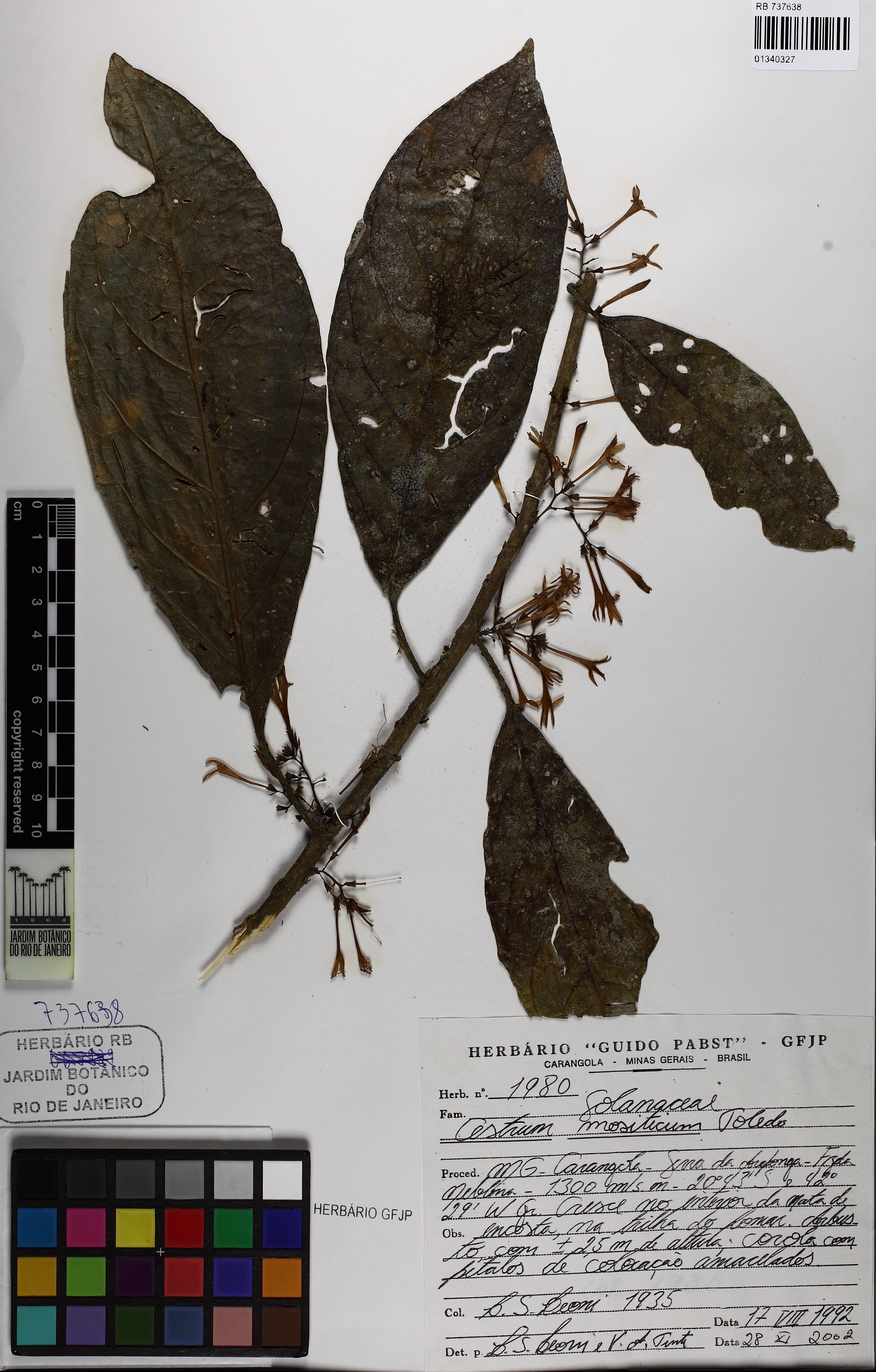
Image: L.S. Leoni (cc-by)
NameCestrum mositicum
Scientific NameCestrum mositicum Toledo
Plant FamilySolanaceae
Natural HabitatThis species is found in the Atlantic Forest zone, specifically in gallery forests at altitudes around 1300 meters above sea level in Minas Gerais, Brazil. It thrives in the interior of these humid forest environments.
Parts Usedleaf
Medicinal Actionsantimicrobial, anti-inflammatory
Traditional UsesSpecific traditional medicinal uses for Cestrum mositicum are not well-documented in available literature. However, other species within the Cestrum genus have been traditionally used in some regions for various ailments, often with caution due to their known toxicity.
Active Constituentssteroidal glycoalkaloids, saponins
Preparation Methodsinfusion, decoction
Contraindications & WarningsAll Cestrum species are generally considered toxic, particularly due to the presence of steroidal glycoalkaloids, which can be harmful if ingested. Use of Cestrum mositicum for medicinal purposes is strongly discouraged without expert guidance due to potential severe poisoning.
Cultivation NotesPrefers humid, possibly shaded conditions typical of gallery forests. Requires a tropical or subtropical climate, likely with good drainage and consistent moisture.
Rarityuncommon
Description
Cestrum mositicum is a shrub growing 2-5 meters tall, characterized by its yellowish petals. It belongs to the genus Cestrum, which typically features simple leaves and tubular flowers.