Solanum catilliflorum
NameSolanum catilliflorum
Scientific NameSolanum catilliflorum
Common NamesNone widely recognized
Plant FamilySolanaceae
Natural HabitatThis species is typically found in disturbed areas, forest margins, and open woodlands within its native range, which includes parts of South America.
Parts Usedleaf,fruit
Medicinal Actionsanalgesic, anti-inflammatory, antimicrobial, antioxidant
Traditional UsesSpecific traditional medicinal uses for Solanum catilliflorum are not widely documented. However, other Solanum species are traditionally used with extreme caution for conditions like pain, inflammation, and skin ailments, often externally, due to the presence of potent glycoalkaloids. Internal use is generally discouraged without expert guidance due to high toxicity.
Active ConstituentsSteroidal glycoalkaloids, solanine, solamargine, solasonine, flavonoids, phenolic compounds
Preparation Methodspoultice, salve, powder
Contraindications & WarningsHigh toxicity, especially from unripe fruits and leaves. Contraindicated in pregnancy, lactation, children, and individuals with liver or kidney conditions. Potential for drug interactions and severe poisoning.
Cultivation NotesSolanum catilliflorum generally prefers full sun to partial shade and well-drained soil. Propagation can be achieved through seeds or stem cuttings. It is not commonly cultivated.
Rarityuncommon
Description
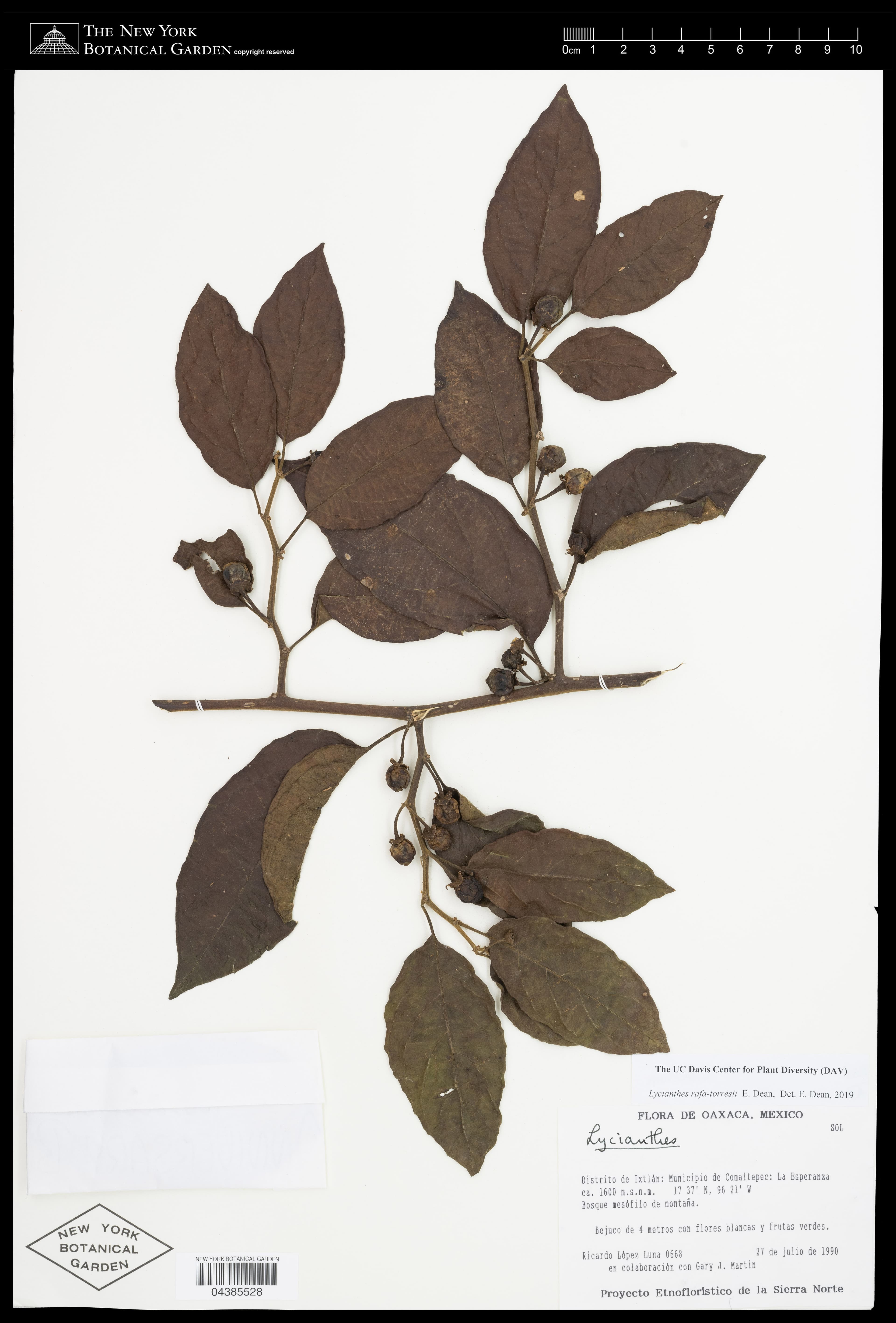
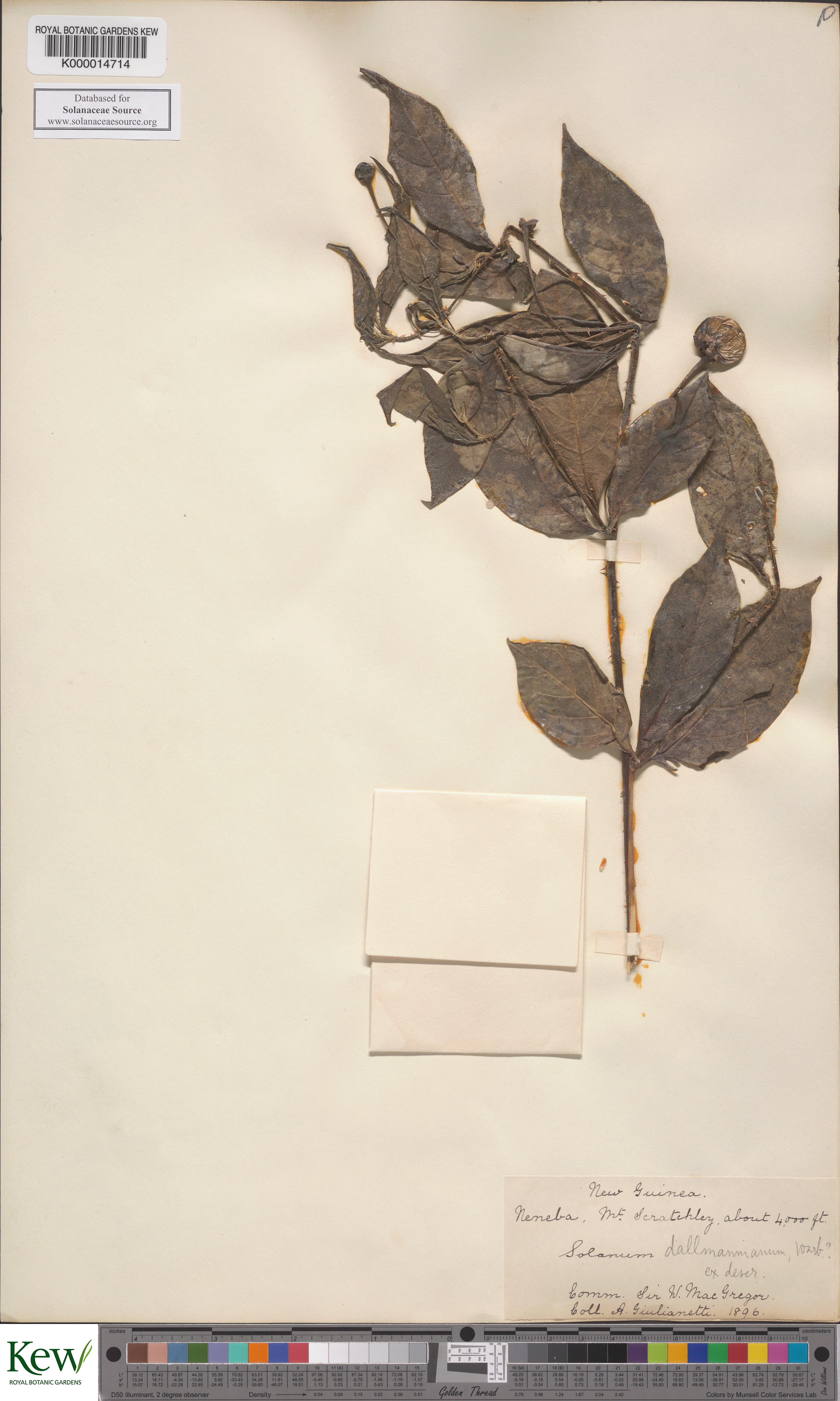
Solanum catilliflorum is a perennial herb or subshrub belonging to the nightshade family. It typically exhibits a sprawling or climbing habit with simple, ovate leaves and can sometimes have sparsely armed stems. Its flowers are generally star-shaped, followed by berries.