Solanum jabrense
NameSolanum jabrense
Scientific NameSolanum jabrense
Plant FamilySolanaceae
Natural HabitatEndemic to the Chapada Diamantina region of Bahia, Brazil, typically found in high-altitude rocky fields and grasslands (campos rupestres).
Parts Usedwhole_plant
Medicinal Actionsanti-inflammatory, antimicrobial
Traditional UsesSpecific traditional medicinal uses for Solanum jabrense are not well-documented due to its recent description and localized habitat. However, other Solanum species are traditionally used with extreme caution for conditions like pain, inflammation, and skin ailments, often externally, due to the presence of potent, often toxic, compounds.
Active Constituentssteroidal glycoalkaloids, solanine, solasodine
Preparation Methodspoultice
Contraindications & WarningsAll parts of Solanum jabrense are presumed toxic due to the presence of steroidal glycoalkaloids. Internal use is strongly contraindicated. Symptoms of poisoning can include gastrointestinal distress, neurological effects, and cardiac issues. Not safe for pregnant or nursing individuals, children, or those with liver or kidney conditions. Consult a qualified expert before any use.
Cultivation NotesThis species thrives in full sun and well-drained, rocky soils, characteristic of its native campos rupestres habitat. It is likely drought-tolerant once established and can be propagated from seed.
Rarityrare
Description
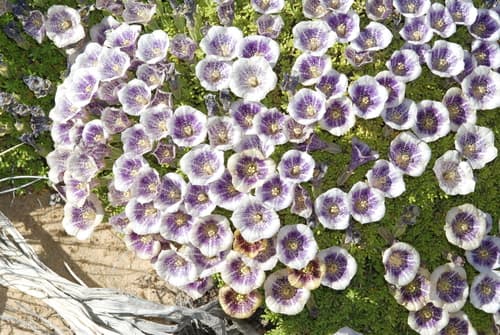
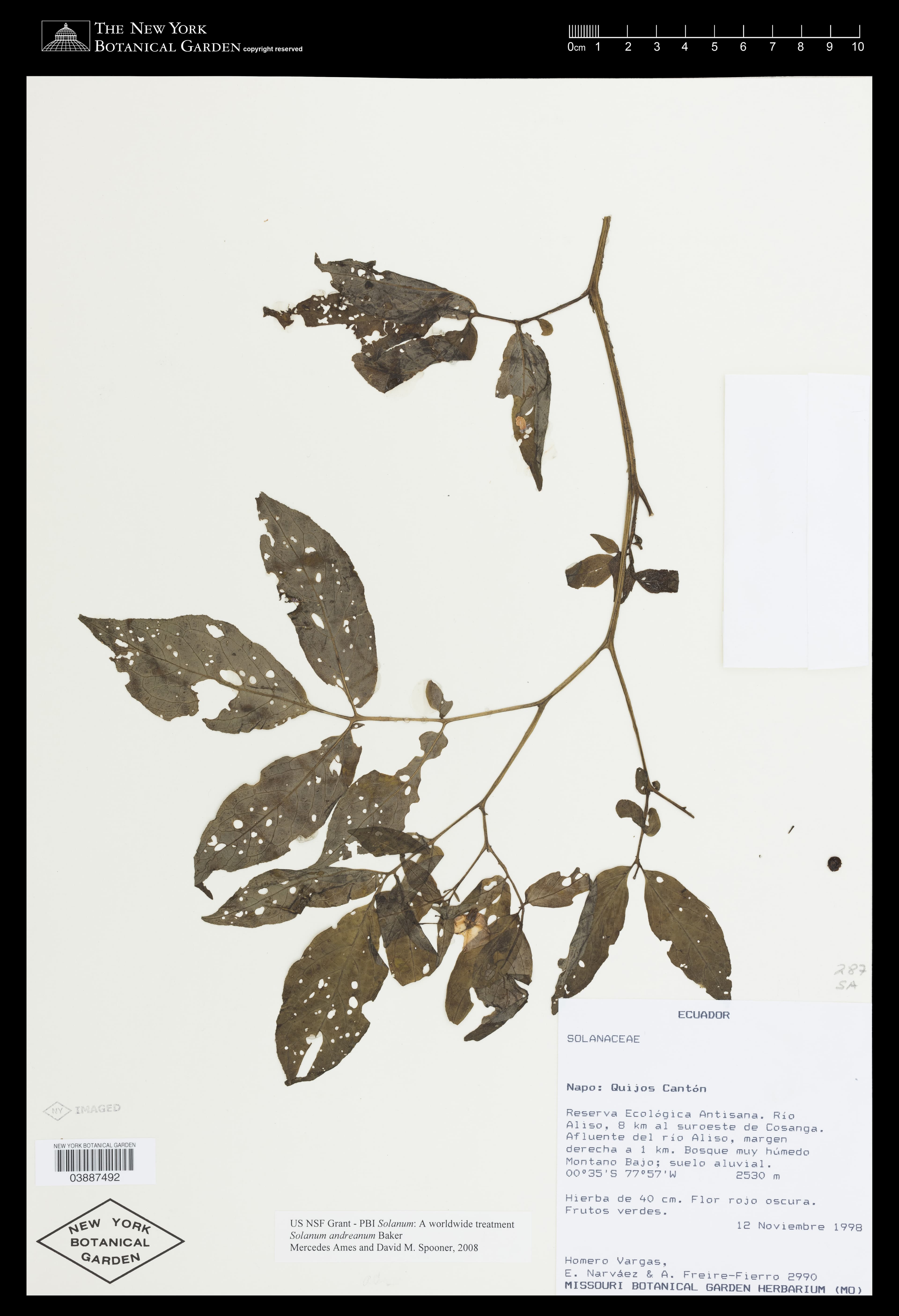
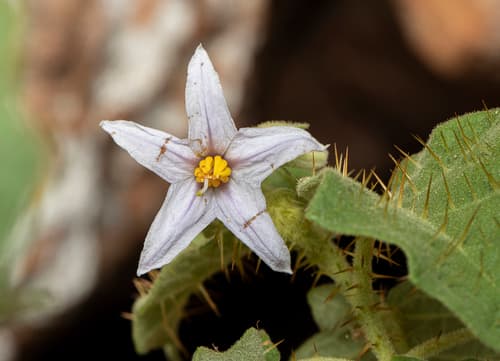
Solanum jabrense is a spiny herbaceous plant characterized by its star-shaped, pale white to light purple flowers with prominent yellow anthers. Its stems and leaves are densely covered with sharp, yellowish-brown prickles and fine hairs, a common feature among many Solanum species.