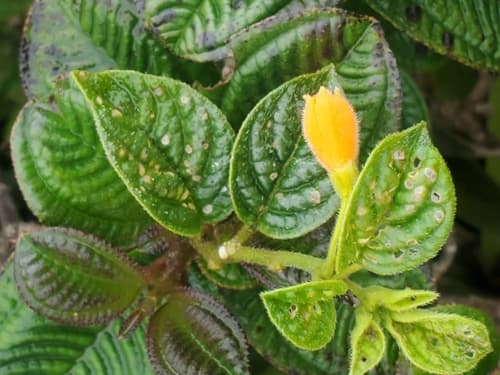
Nicotiana yandinga
Image: Osborn, T.G.B. (cc-by)
NameNicotiana yandinga
Scientific NameNicotiana yandinga M.W.Chase & Christenh.
Common NamesYandinga Tobacco, Wild Tobacco
Plant FamilySolanaceae
Natural HabitatFound in rocky limestone environments, specifically noted from West Franklin Island, Australia. It thrives in arid or semi-arid conditions and was collected in winter.
Parts Usedleaf,root,whole_plant
Medicinal Actionsanalgesic, sedative, antimicrobial
Traditional UsesWhile specific traditional uses for Nicotiana yandinga are not extensively documented, other Nicotiana species are traditionally used by Indigenous Australians for ceremonial purposes, as a stimulant, or for pain relief by chewing the leaves. Due to high toxicity, such uses are highly specialized and carry significant risks.
Active ConstituentsNicotine, Anabasine, Nornicotine, Other pyridine alkaloids
Preparation Methodspowder, poultice
Contraindications & WarningsHighly toxic and addictive due to nicotine content. Not safe for internal consumption. Contraindicated in pregnancy, lactation, heart conditions, hypertension, and by individuals sensitive to nicotine.
Cultivation NotesPrefers well-drained, rocky limestone soils and full sun. Likely drought-tolerant once established, suitable for arid or semi-arid conditions.
Rarityrare
Description
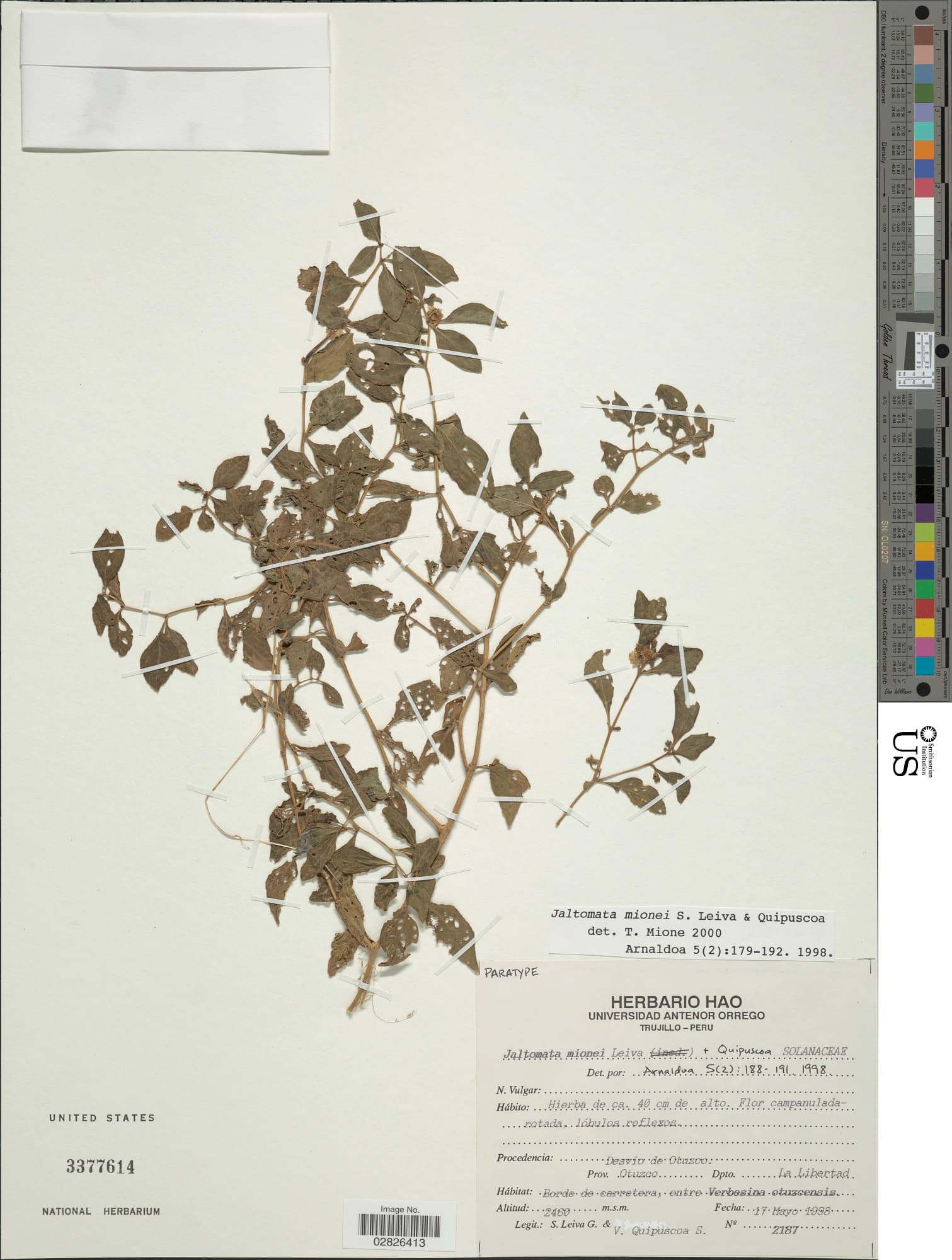
A herbaceous plant, likely annual or short-lived perennial, characterized by basal leaves and a taproot system, as observed in the pressed herbarium specimens. The leaves appear somewhat broad and entire, typical of many Nicotiana species.