Solanum tetramerum
NameSolanum tetramerum
Scientific NameSolanum tetramerum
Common NamesFour-part Nightshade
Plant FamilySolanaceae
Natural HabitatNative to arid and semi-arid regions of Australia, it thrives in open woodlands, grasslands, and disturbed areas with well-drained soils.
Parts Usedleaf,fruit
Medicinal Actionsanalgesic, anti-inflammatory, antimicrobial, antioxidant
Traditional UsesWhile specific traditional medicinal uses for Solanum tetramerum are not widely documented, other species within the Solanum genus have been traditionally used for their anti-inflammatory and analgesic properties, often applied topically for skin conditions or internally for various ailments, though often with caution due to potential toxicity.
Active Constituentssteroidal glycoalkaloids, solasodine, flavonoids, phenolic compounds
Preparation Methodsinfusion, decoction, poultice, powder
Contraindications & WarningsDue to the presence of potentially toxic steroidal glycoalkaloids, especially in unripe fruits and leaves, Solanum tetramerum should be used with extreme caution. It is generally contraindicated in pregnancy, lactation, and for children. Ingestion can cause gastrointestinal upset and neurological symptoms, and consultation with an expert is essential before any internal use.
Cultivation NotesPrefers full sun and well-drained, sandy or rocky soils. It is drought-tolerant and adapted to arid and semi-arid climates. Propagation is typically by seed.
Rarityuncommon
Description
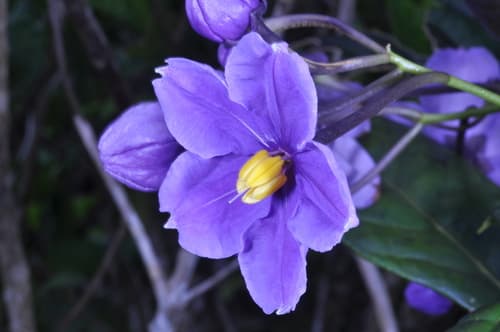
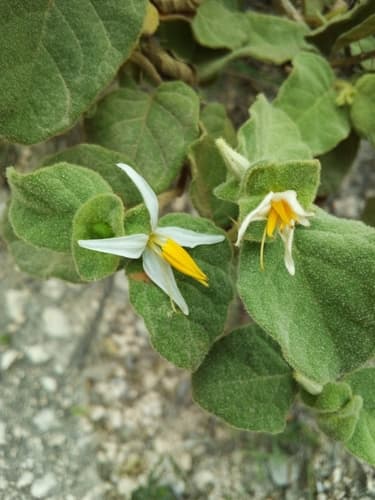
Solanum tetramerum is a perennial herb or small shrub characterized by its dense covering of stellate hairs, giving it a velvety texture. Its leaves are typically ovate to cordate, and it produces small, star-shaped flowers with white petals and prominent yellow anthers.