Convolvulus sarmentosus
NameConvolvulus sarmentosus
Scientific NameConvolvulus sarmentosus
Common NamesMediterranean Bindweed, Creeping Bindweed
Plant FamilyConvolvulaceae
Natural HabitatThrives in dry, sunny environments, often found in rocky slopes, sandy soils, disturbed ground, and coastal areas across the Mediterranean region and parts of the Middle East.
Parts Usedroot,whole_plant
Medicinal Actionsdiuretic, anti-inflammatory
Traditional UsesTraditionally, various *Convolvulus* species, including *C. sarmentosus* by extension of genus properties, have been used as a strong purgative or laxative, primarily from the root. Some applications might include diuretic effects or external use for skin conditions, though specific historical records for *C. sarmentosus* are limited.
Active Constituentsresin glycosides, flavonoids, tannins
Preparation Methodsdecoction, powder
Contraindications & WarningsDue to potential purgative effects, avoid use during pregnancy, breastfeeding, intestinal obstruction, or severe abdominal pain. Excessive use can lead to dehydration and electrolyte imbalance.
Cultivation NotesPrefers full sun and well-drained, often poor or sandy soils. It is drought-tolerant and can be quite vigorous, spreading readily by rhizomes or seeds, potentially becoming weedy in suitable conditions.
Rarityuncommon
Description
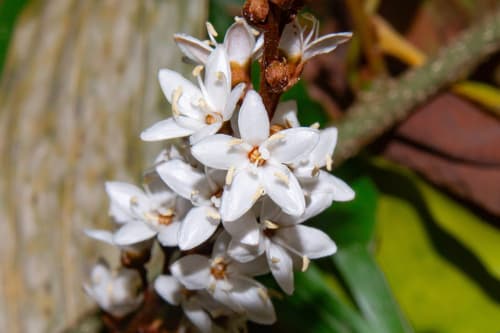
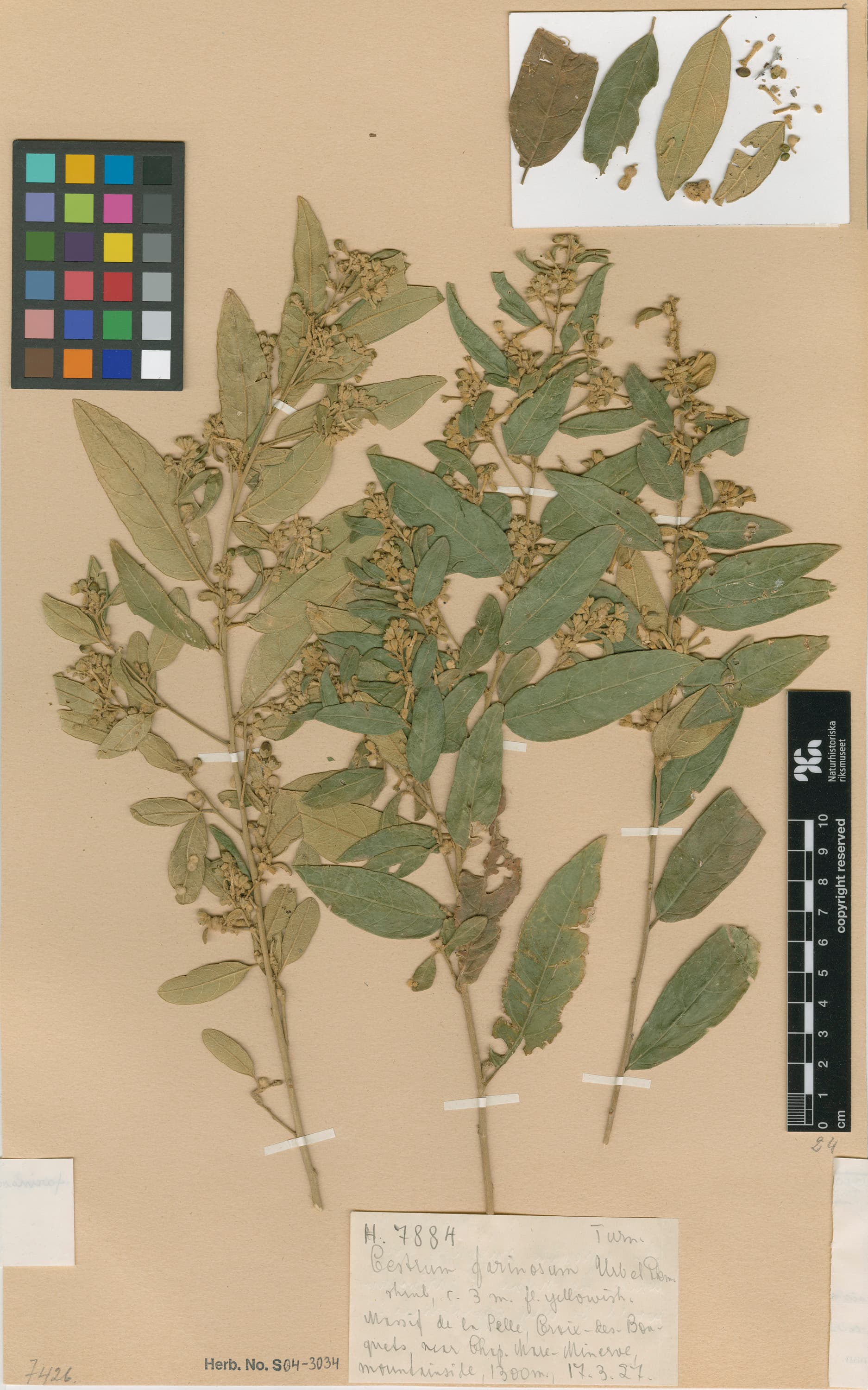
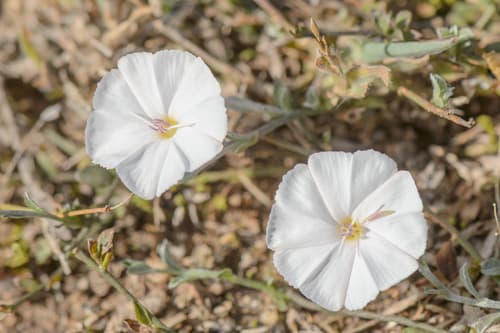
A perennial herbaceous plant characterized by its sprawling or creeping stems and small, often linear to ovate leaves. It produces delicate, funnel-shaped white flowers, typically with a yellowish throat, blooming solitarily or in pairs from leaf axils.