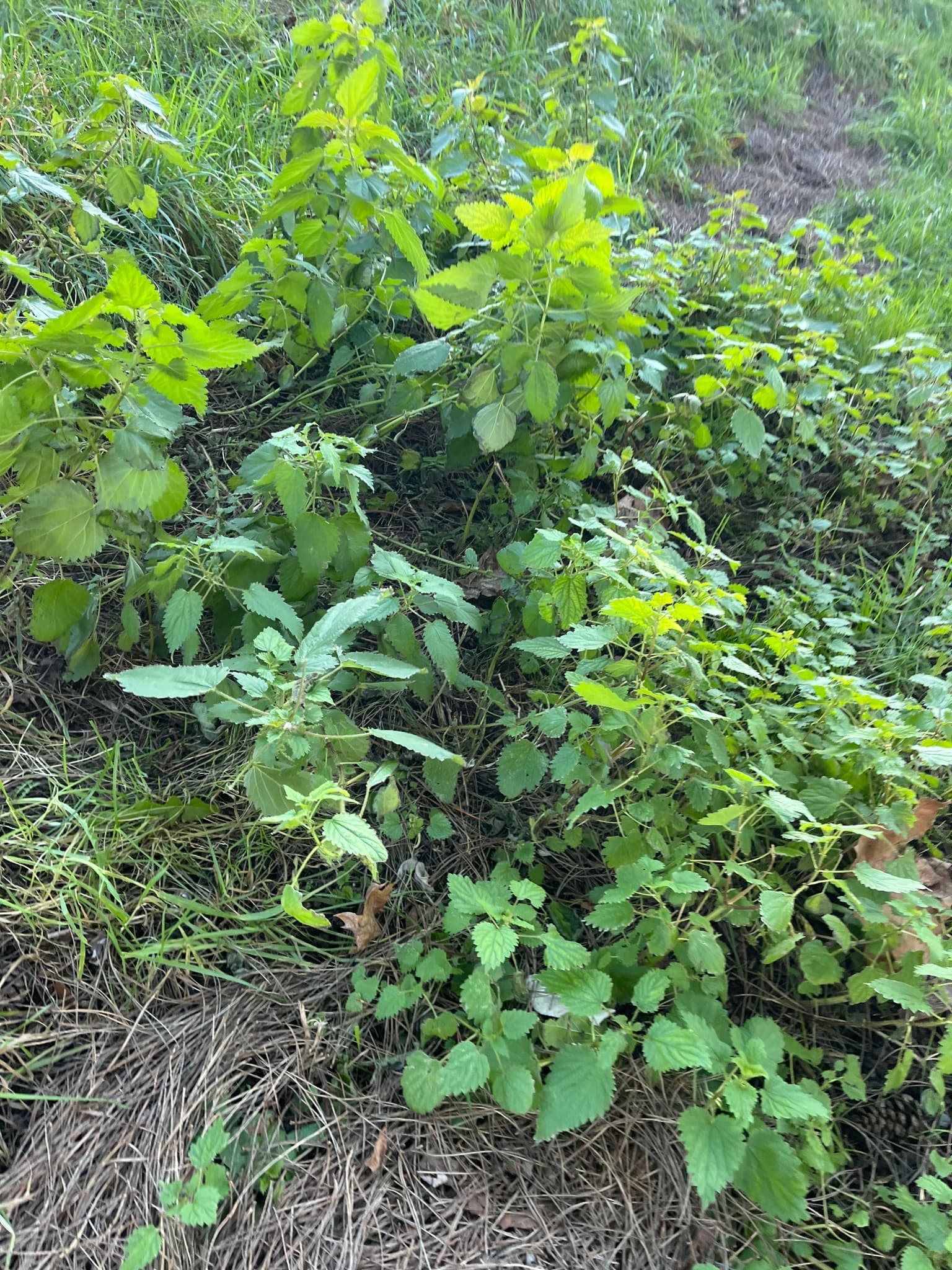
Nettle
Image: Elliot Greiner (cc-by)
NameNettle
Scientific NameUrtica dioica
Common NamesNettle, Stinging Nettle, Common Nettle
Plant FamilyUrticaceae
Natural HabitatNettle thrives in nutrient-rich, moist soils, often found in disturbed areas like woodlands, hedgerows, riverbanks, and roadsides. It is widespread in temperate regions globally.
Parts Usedleaf,root,seed
Medicinal Actionsdiuretic, anti-inflammatory, antioxidant, astringent, analgesic, antimicrobial
Traditional UsesTraditionally, nettle leaf has been used as a spring tonic, for treating arthritis, allergies (especially hay fever), and urinary tract issues. Nettle root is often used for benign prostatic hyperplasia (BPH), while the seeds are valued for their kidney and adrenal support.
Active Constituentsflavonoids, carotenoids, minerals, histamine, acetylcholine, serotonin, formic acid, lignans, lectins
Preparation Methodsinfusion, decoction, tincture, powder, salve
Contraindications & WarningsAvoid during pregnancy due to potential uterine stimulant effects. Use with caution if taking blood thinners, diuretics, or medications for blood pressure or diabetes. The fresh plant can cause skin irritation due to stinging hairs.
Cultivation NotesNettle is easy to grow and can be quite vigorous, even invasive. It prefers rich, moist soil and can tolerate full sun to partial shade. Harvest young leaves for culinary and medicinal use before flowering for best flavor and potency.
Raritycommon
Description
Urtica dioica is a herbaceous perennial plant known for its stinging hairs on leaves and stems, which release irritating chemicals upon contact. It typically grows 1-2 meters tall, featuring opposite, heart-shaped to lance-shaped leaves with serrated margins and small green flowers.