Nicotiana thyrsiflora
NameNicotiana thyrsiflora
Scientific NameNicotiana thyrsiflora
Common NamesFlowering Tobacco, Andean Tobacco
Plant FamilySolanaceae
Natural HabitatNative to high-altitude regions of the Andes in South America, particularly Peru and Bolivia. It thrives in open, rocky slopes and disturbed areas in montane environments.
Parts Usedleaf,flower
Medicinal Actionsanalgesic, sedative
Traditional UsesWhile not as widely documented as other Nicotiana species, other members of the genus have been traditionally used by indigenous peoples for ritualistic, ceremonial, and entheogenic purposes, often involving smoking or chewing the leaves for their psychoactive properties, as well as for pain relief and as a stimulant. These uses are highly specialized and carry significant risks due to toxicity.
Active ConstituentsNicotine, Nornicotine, Anabasine
Preparation Methodspowder, infusion
Contraindications & WarningsAll Nicotiana species are toxic due to their high alkaloid content, primarily nicotine. They are contraindicated for pregnant/nursing women, children, and individuals with heart conditions, high blood pressure, or neurological disorders. Nicotiana species are highly addictive and can cause severe adverse effects, including nausea, vomiting, dizziness, and in high doses, paralysis and death. Not for internal self-medication.
Cultivation NotesNicotiana thyrsiflora is a striking ornamental plant that prefers full sun to partial shade and well-drained soil. It is often grown as an annual in temperate climates but can be perennial in frost-free zones. Requires consistent moisture during its growth period.
Rarityuncommon
Description
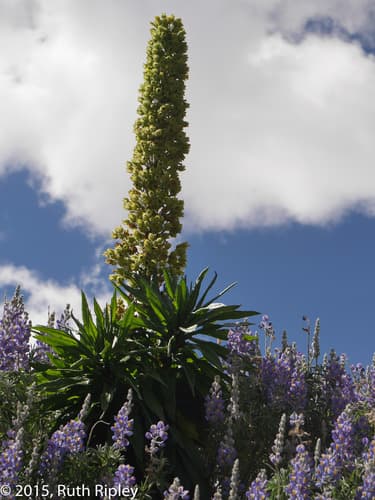
Nicotiana thyrsiflora is a robust, perennial herbaceous plant, often monocarpic, forming a large basal rosette of broad, lanceolate leaves. It produces a striking, tall, erect, unbranched inflorescence (thyrse) densely packed with numerous small, greenish-yellow, tubular flowers.