Solanum gomphodes
NameSolanum gomphodes
Scientific NameSolanum gomphodes
Common NamesMadagascar Nightshade
Plant FamilySolanaceae
Natural HabitatEndemic to Madagascar, it thrives in dry deciduous forests, scrubland, and disturbed areas, often found on sandy or rocky soils from sea level to around 1000 meters elevation.
Parts Usedleaf,fruit
Medicinal Actionsanti-inflammatory, analgesic
Traditional UsesSpecific traditional medicinal uses for Solanum gomphodes are not widely documented in mainstream ethnobotanical literature. However, other species within the Solanum genus are traditionally used for their anti-inflammatory and analgesic properties, often applied topically for pain or skin conditions, though many species contain toxic compounds.
Active ConstituentsSteroidal glycoalkaloids, Solanine, Solamargine
Preparation Methodspoultice
Contraindications & WarningsDue to the presence of potentially toxic steroidal glycoalkaloids common in the Solanum genus, internal use is generally not recommended without expert guidance. Contraindicated in pregnancy, lactation, children, and individuals with known sensitivity to nightshade plants.
Cultivation NotesThis species prefers full sun and well-drained soil, exhibiting drought tolerance once established. It can be propagated from seed and thrives in warm climates similar to its native Madagascan habitat.
Rarityuncommon
Description
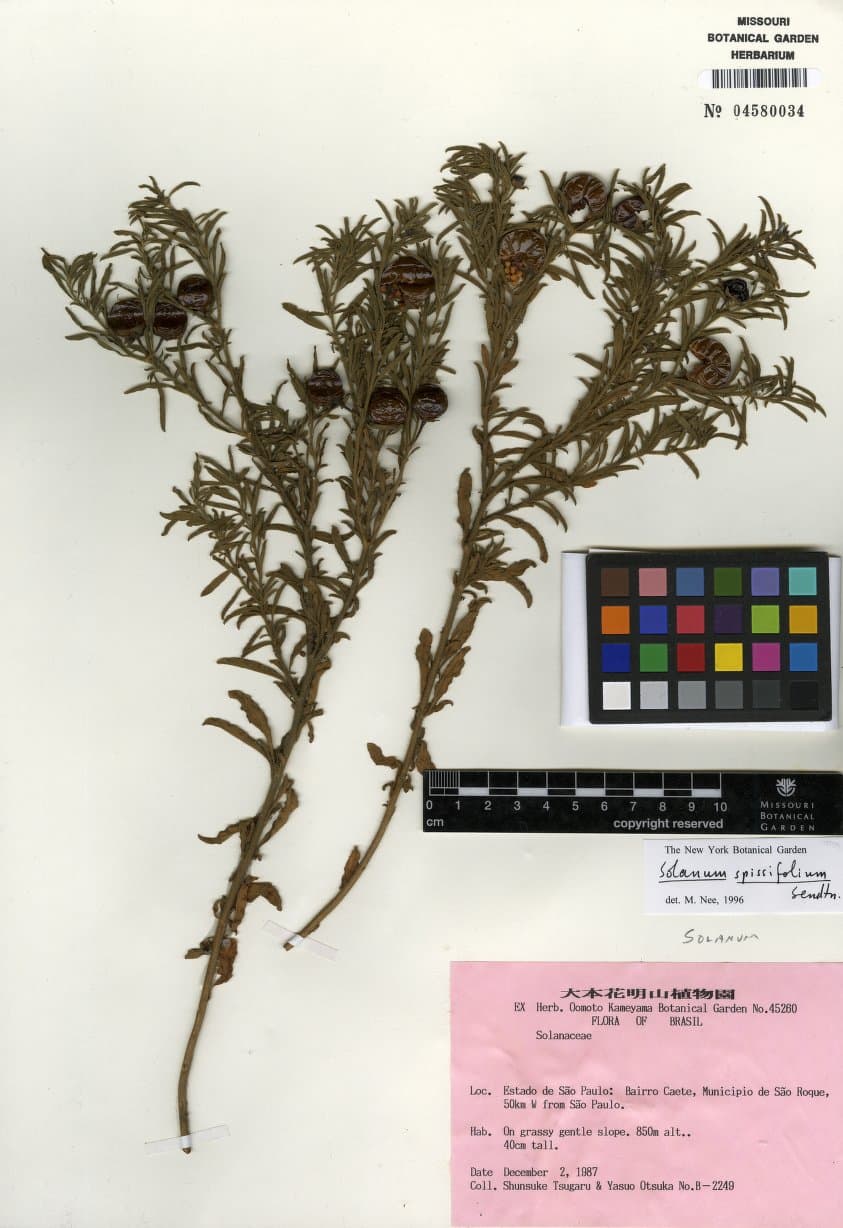
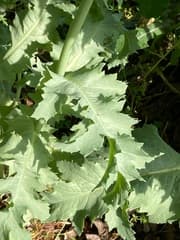
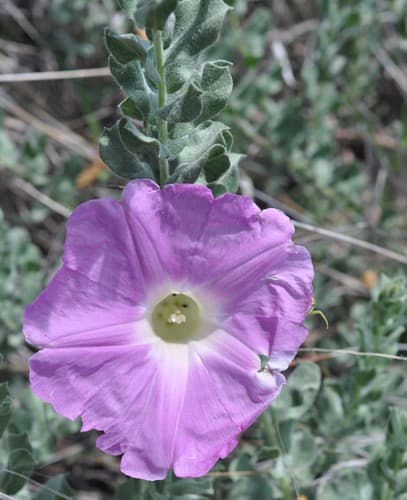
Solanum gomphodes is a shrub or small tree, typically 1-4 meters tall, characterized by ovate leaves often densely hairy on the underside. It produces star-shaped purple flowers with prominent yellow anthers, typical of the Solanum genus.