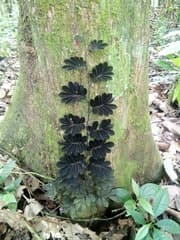
Betony-leaved Bindweed
NameBetony-leaved Bindweed
Scientific NameConvolvulus cantabrica
Common NamesBetony-leaved Bindweed, Cantabrian Bindweed
Plant FamilyConvolvulaceae
Natural HabitatNative to Southern Europe, North Africa, and parts of Western Asia, it thrives in dry, rocky, and grassy areas, scrublands, roadsides, and open woodlands. It prefers well-drained, often calcareous soils and full sun exposure.
Parts Used
Traditional UsesWhile some species within the *Convolvulus* genus are known for their purgative properties due to resin glycosides, *Convolvulus cantabrica* itself is not widely documented as a significant medicinal plant in traditional herbalism. Its primary role is often ornamental or as a component of natural flora.
Active ConstituentsResin glycosides
Contraindications & WarningsDue to the potential presence of purgative resin glycosides, common in the *Convolvulus* genus, ingestion of large quantities could lead to gastrointestinal upset, diarrhea, and dehydration. It is generally not recommended for internal use, especially for pregnant or breastfeeding women, or individuals with gastrointestinal conditions.
Cultivation NotesThis plant prefers full sun and well-drained, dry soils, tolerating poor and calcareous conditions. It is drought-tolerant once established and can be propagated from seed or cuttings. It is a scrambling or climbing plant suitable for rock gardens, dry borders, or naturalized areas.
Raritycommon
Description
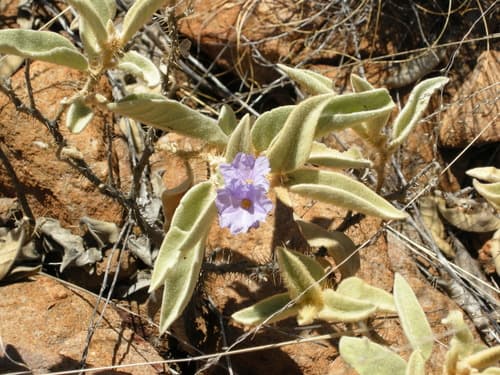
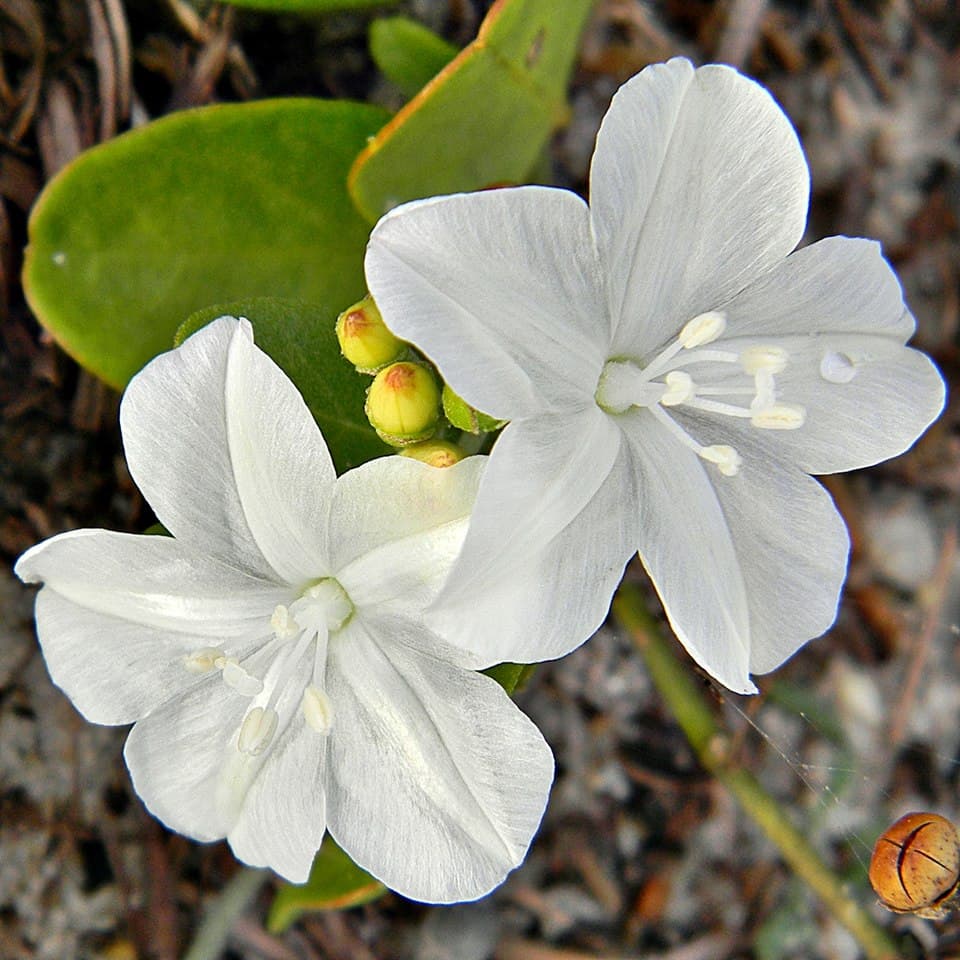
A perennial herbaceous plant characterized by its trailing or scrambling stems, often covered in fine hairs. It produces showy, funnel-shaped flowers, typically white to pale pink with a distinctive darker pink or purplish throat, emerging from the leaf axils. The leaves are generally ovate to lanceolate, sometimes resembling those of Betony.