Nettle
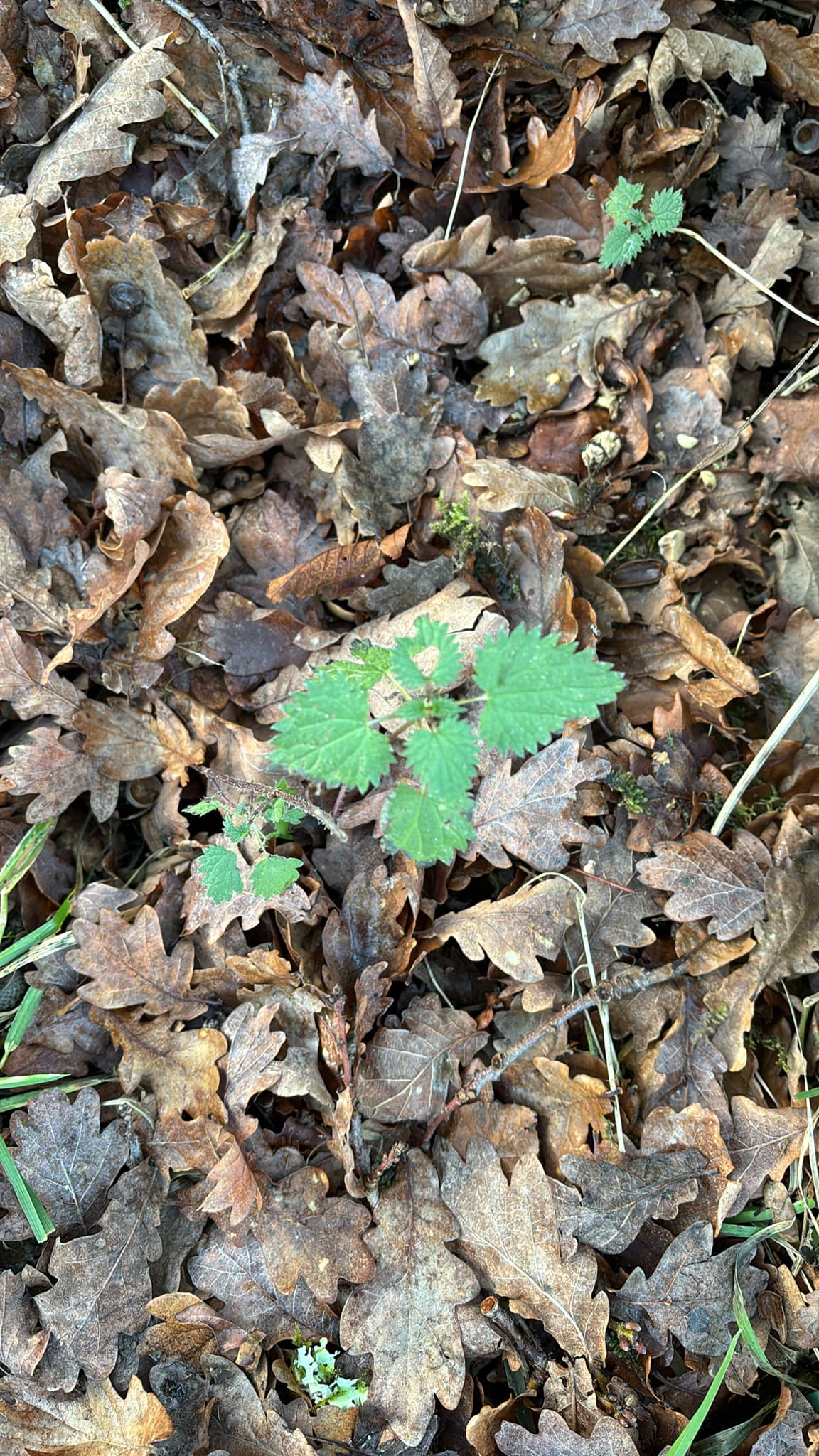
Image: Zara :) (cc-by-nc)
NameNettle
Scientific NameUrtica dioica
Common NamesStinging Nettle, Common Nettle, Great Nettle
Plant FamilyUrticaceae
Natural HabitatNettle thrives in nutrient-rich, moist soils, often found in disturbed areas, woodlands, meadows, riverbanks, and along roadsides. It prefers partial shade to full sun.
Parts Usedleaf,root,seed,whole_plant
Medicinal Actionsanti-inflammatory, diuretic, astringent, antioxidant, analgesic
Traditional UsesTraditionally, nettle leaves have been used as a diuretic to treat urinary tract infections and kidney stones, and to alleviate symptoms of seasonal allergies. The root is often used for benign prostatic hyperplasia (BPH), while the whole plant is valued for its anti-inflammatory properties in treating arthritis and joint pain, and as a nutritive tonic.
Active ConstituentsFlavonoids, Carotenoids, Vitamins (A, C, K), Minerals (iron, calcium, magnesium), Chlorophyll, Lectins, Sterols, Lignans
Preparation Methodsinfusion, decoction, tincture, powder, poultice
Contraindications & WarningsNettle can interact with blood thinners, diuretics, and medications for high blood pressure or diabetes. Pregnant women should use caution, and direct skin contact with fresh plants can cause a stinging rash.
Cultivation NotesNettle is easy to grow and can be quite invasive. It prefers rich, moist soil and can tolerate a range of light conditions. It's best to plant it in a contained area or a dedicated bed to prevent it from spreading excessively.
Raritycommon
Description
Urtica dioica is a herbaceous perennial flowering plant, native to Europe, Asia, northern Africa, and North America. It is characterized by its serrated, heart-shaped leaves and stems covered in stinging hairs (trichomes) that release irritating chemicals upon contact.