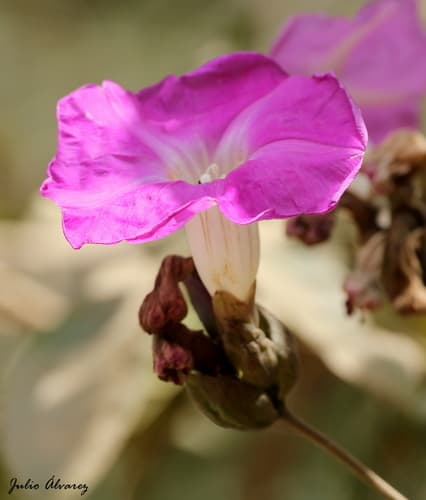
Solanum sanctae-marthae
NameSolanum sanctae-marthae
Scientific NameSolanum sanctae-marthae
Common NamesNightshade, Santa Marta Nightshade
Plant FamilySolanaceae
Natural HabitatNative to South America, particularly Colombia, this species thrives in disturbed areas, forest edges, and open fields, often found at moderate to higher elevations.
Parts Usedleaf,flower
Medicinal Actionsanti-inflammatory, analgesic
Traditional UsesInformation on specific traditional uses for Solanum sanctae-marthae is limited. However, other Solanum species are traditionally used externally for inflammatory conditions, pain relief, and skin ailments, often requiring specific preparation to mitigate toxicity. Internal use is generally discouraged due to high toxicity.
Active ConstituentsSteroidal glycoalkaloids (e.g., solanine, solasodine), Flavonoids
Preparation Methodspoultice, decoction
Contraindications & WarningsAll parts of the plant, especially unripe fruits and leaves, are considered toxic due to steroidal glycoalkaloids. Contraindicated in pregnancy, lactation, children, and individuals with liver, kidney, or gastrointestinal issues. Avoid internal use without expert guidance.
Cultivation NotesThis species prefers full sun to partial shade and well-drained soil. It is generally adaptable and can be found in various disturbed habitats within its native range.
Rarityuncommon
Description
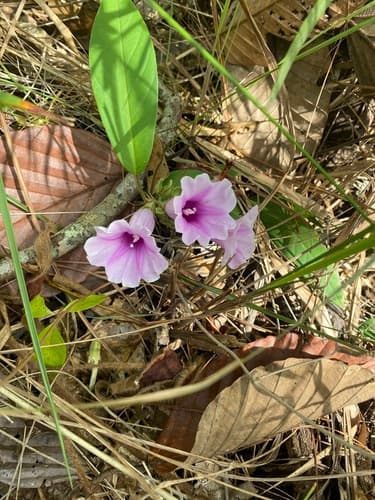
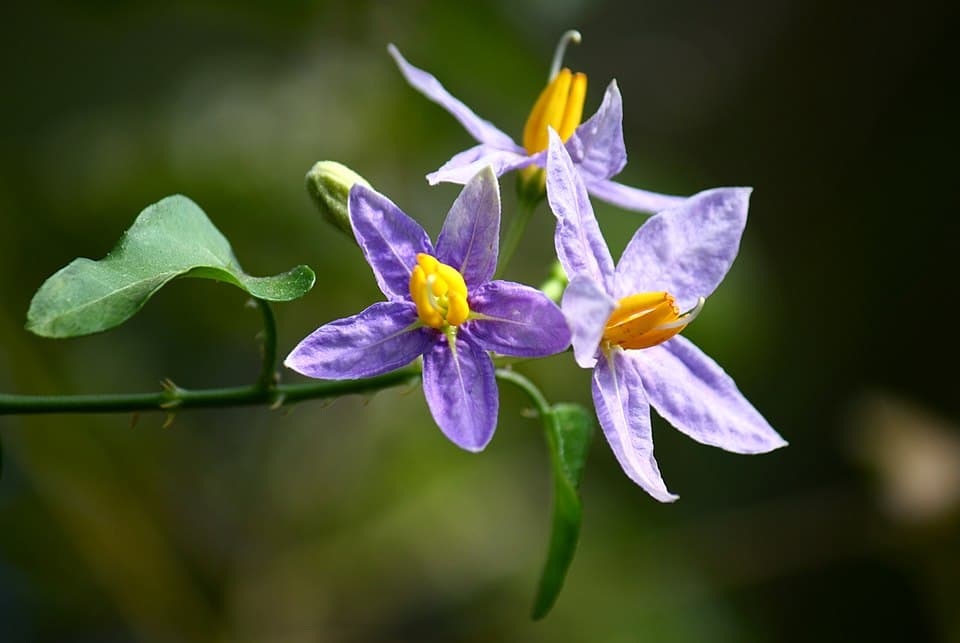
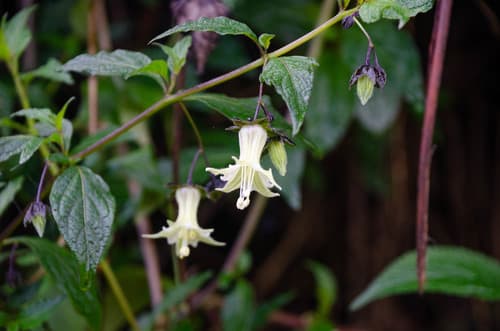
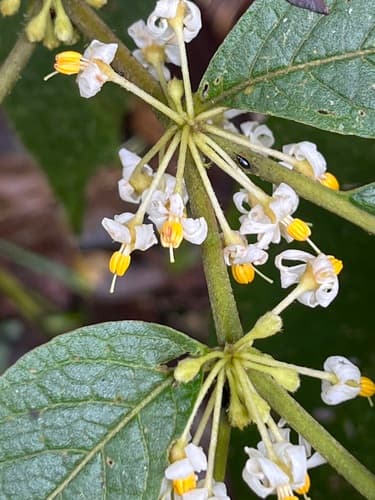
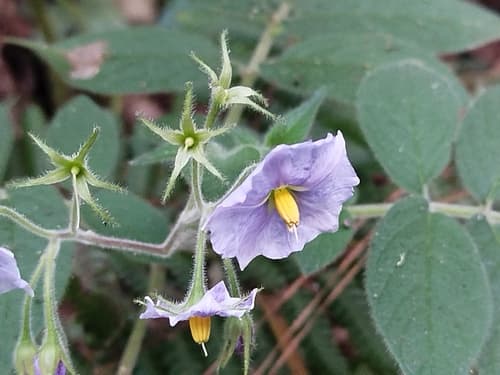
Solanum sanctae-marthae is a herbaceous plant or small shrub characterized by its delicate lavender to purple, star-shaped flowers with prominent yellow anther cones. Its stems and simple, ovate leaves are often covered in fine hairs, typical of many species within the nightshade family.