Morning Glory
NameMorning Glory
Scientific NameIpomoea mirabilis
Common NamesMorning Glory, Ivy-leaved Morning Glory
Plant FamilyConvolvulaceae
Natural HabitatNative to tropical America, now widely naturalized in tropical and subtropical regions globally. Commonly found in disturbed areas, forest edges, roadsides, and cultivated gardens.
Parts Usedseed,leaf
Medicinal Actionsnervine, anti-inflammatory
Traditional UsesTraditionally, the seeds were used by indigenous cultures for their hallucinogenic and purgative properties in spiritual and medicinal contexts. Leaves have been used topically in some folk medicine for skin conditions and minor inflammation.
Active Constituentsergoline alkaloids, resin glycosides
Preparation Methodspowder, infusion, poultice
Contraindications & WarningsSeeds are psychoactive and toxic in high doses, causing nausea, vomiting, and hallucinations; use is not recommended without expert guidance. Avoid during pregnancy and lactation. May cause severe gastrointestinal upset.
Cultivation NotesEasily grown from seed, this vine requires full sun to partial shade and well-drained soil. Provide a trellis or other support for climbing. Can become invasive in warm, favorable climates.
Raritycommon
Description
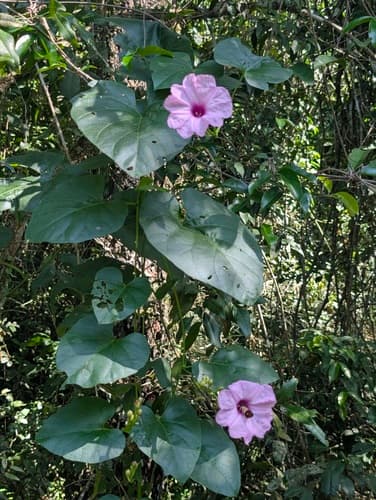
A vigorous annual or perennial climbing vine characterized by its heart-shaped to three-lobed leaves and large, showy, funnel-shaped flowers, typically in shades of blue, purple, pink, or white. It rapidly grows, often scrambling over other vegetation.