Nasa sanchezii
NameNasa sanchezii
Scientific NameNasa sanchezii
Common NamesIshanga
Plant FamilyLoasaceae
Natural HabitatNative to the Andean regions of Peru, it typically grows in montane forests, cloud forests, and disturbed areas at moderate to high elevations.
Parts Usedwhole_plant,leaf
Medicinal Actionsanalgesic, anti-inflammatory
Traditional UsesIn traditional Andean medicine, *Nasa sanchezii* and related *Nasa* species are primarily used externally. Crushed leaves or the whole plant are applied as poultices or rubs to alleviate rheumatic pain, muscle aches, and inflammation, often utilizing the counter-irritant effect of its stinging hairs.
Active ConstituentsFlavonoids, Tannins
Preparation Methodspoultice
Contraindications & WarningsDirect skin contact can cause significant irritation and stinging due to the glochids; avoid contact with eyes and mucous membranes. Not recommended for internal use. Individuals with sensitive skin or known allergies should exercise extreme caution.
Cultivation NotesThis species is not commonly cultivated. It would likely require conditions mimicking its native Andean habitat, including well-drained soil, moderate to high humidity, and potentially cooler temperatures. Due to its stinging hairs, careful handling is necessary.
Rarityuncommon
Description
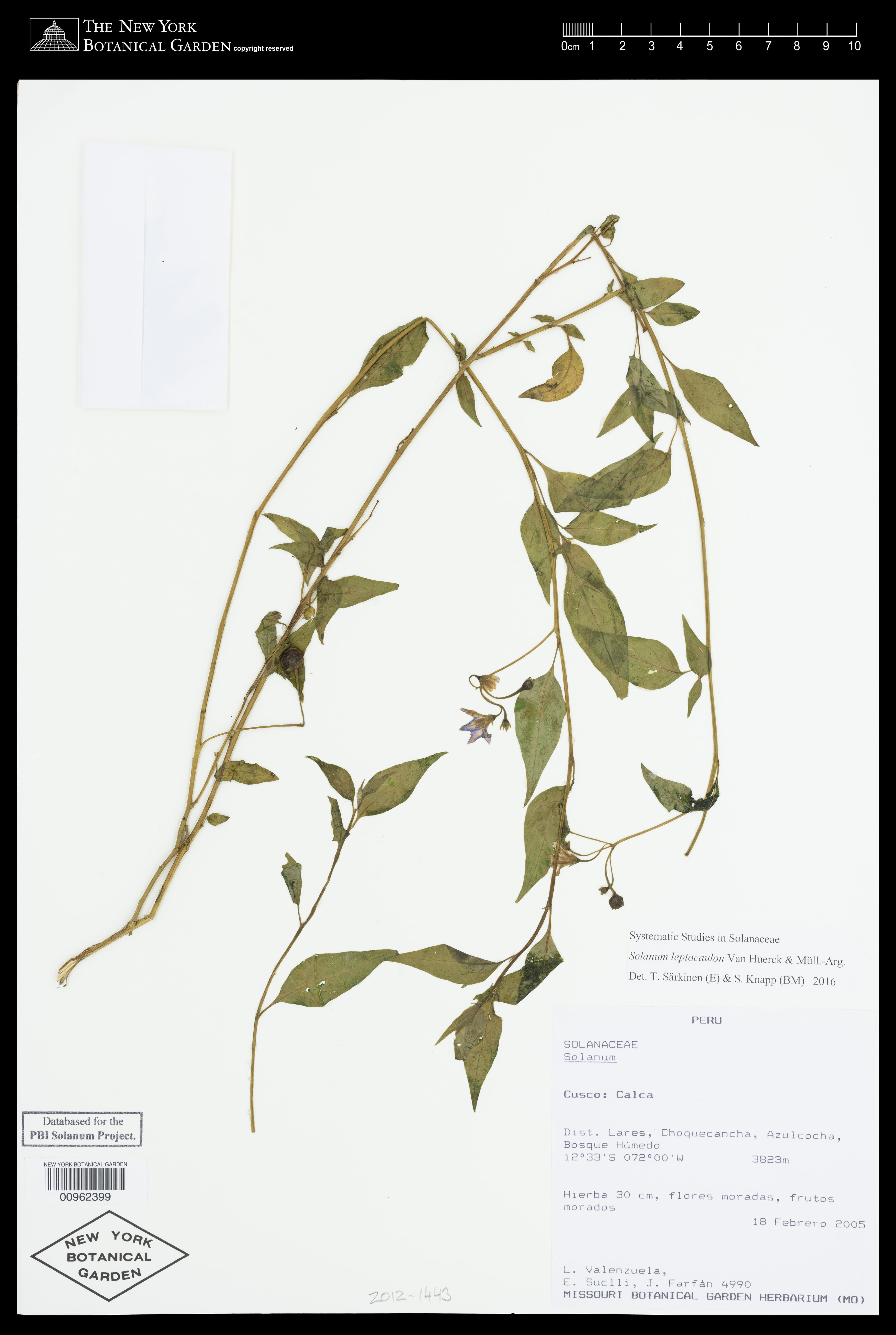
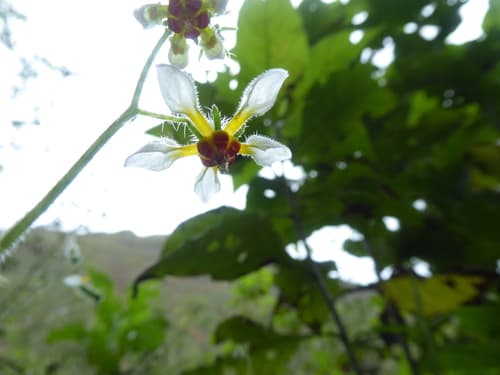
Nasa sanchezii is a herbaceous plant, often an annual or short-lived perennial, characterized by distinctive stinging hairs (glochids) on its stems and leaves. Its flowers feature five white or cream petals, a prominent central column of stamens, and often brightly colored nectaries in shades of yellow and reddish-brown.