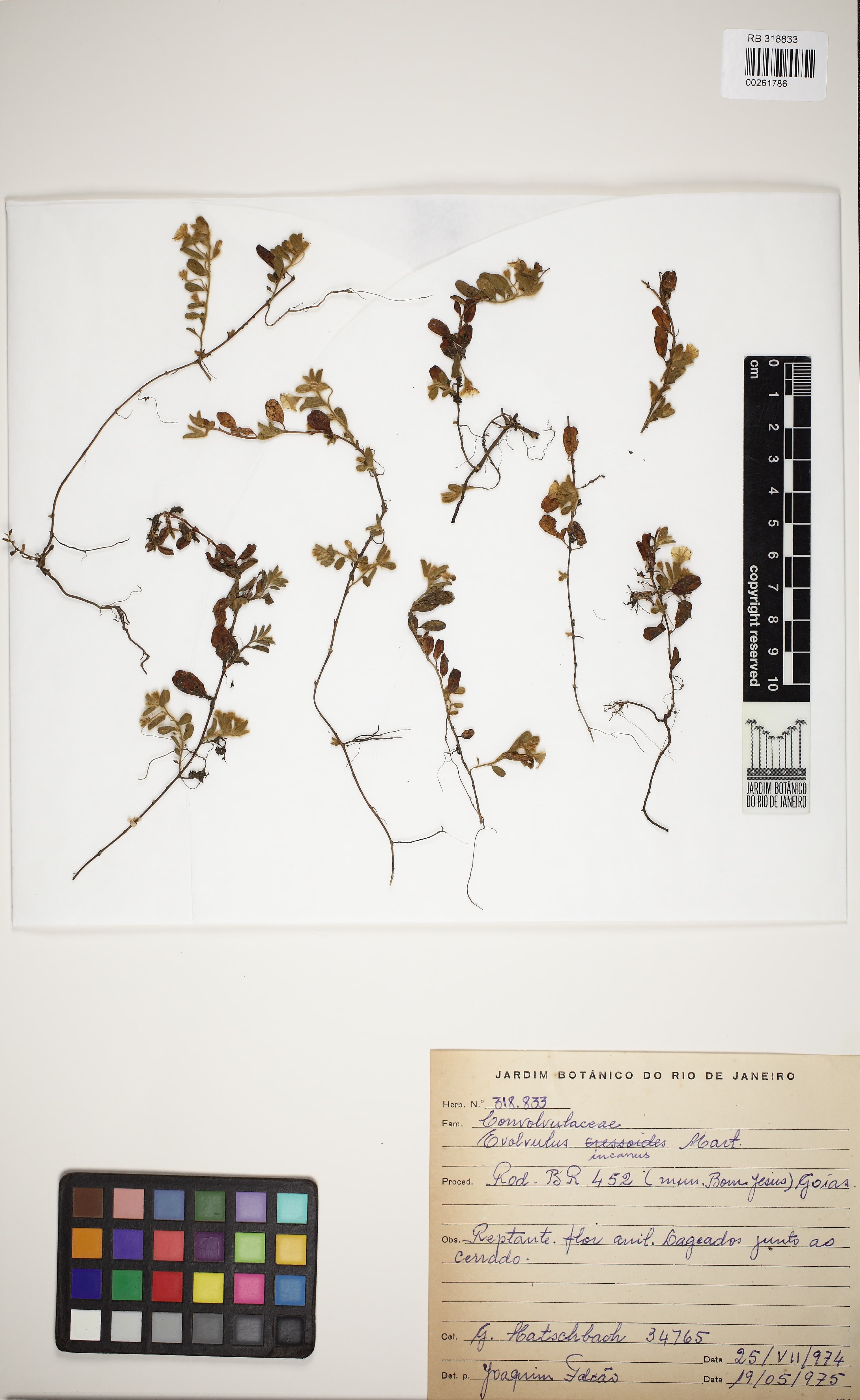
Redberry Nightshade
NameRedberry Nightshade
Scientific NameSolanum torvum
Common NamesRedberry Nightshade, Turkey Berry, Devil's Fig, Prickly Nightshade, Susumber
Plant FamilySolanaceae
Natural HabitatNative to Central and South America, but widely naturalized in tropical and subtropical regions worldwide. It thrives in disturbed areas, roadsides, forest edges, pastures, and agricultural fields, often considered a weed.
Parts Usedfruit,leaf,root,whole_plant
Medicinal Actionsanti-inflammatory, antimicrobial, antioxidant, analgesic, expectorant, diuretic
Traditional UsesTraditionally used for a wide range of ailments including coughs, colds, fevers, and respiratory issues. It is also employed for digestive problems, skin infections, wounds, and as a general tonic. The fruits are often consumed as a vegetable and are believed to help manage hypertension and diabetes.
Active ConstituentsSolasodine, Solamargine, Solasonine, Flavonoids, Saponins, Phenolic compounds
Preparation Methodsinfusion, decoction, powder, poultice
Contraindications & WarningsAll parts of *Solanum torvum*, especially unripe fruits, contain steroidal glycoalkaloids which can be toxic if consumed in large quantities, causing gastrointestinal upset and neurological symptoms. Not recommended for pregnant or nursing women, young children, or individuals with liver or kidney conditions. Consult a healthcare professional before use, especially if on medication.
Cultivation NotesThis plant is easily cultivated in tropical and subtropical climates. It prefers full sun to partial shade and well-drained soil. It can be propagated by seeds and is known for its vigorous growth, often becoming weedy or invasive in suitable conditions.
Raritycommon
Description
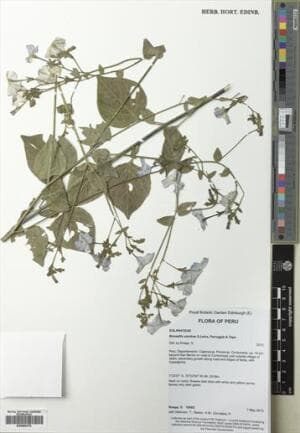
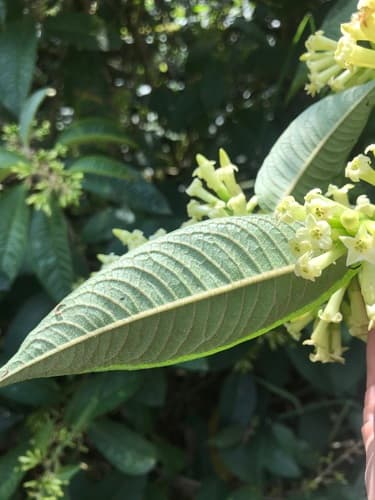
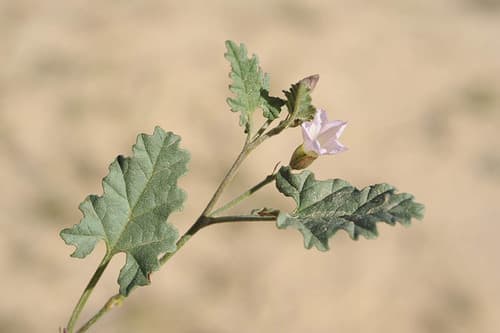
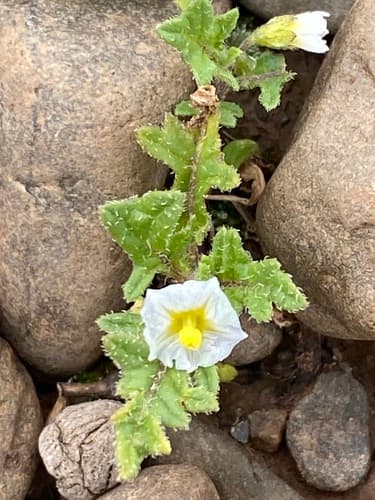
A spiny, erect, perennial shrub, typically growing 2-3 meters tall, characterized by its deeply lobed, hairy leaves and stems covered in sharp prickles. It produces white, star-shaped flowers with prominent yellow anthers, followed by small, round berries that ripen from green to yellow or red.