Nasa auca
NameNasa auca
Scientific NameNasa auca (J.F.Macbr.) Weigend
Common NamesStinging Loasa
Plant FamilyLoasaceae
Natural HabitatNative to the Andean regions of South America, particularly Peru, where it grows in montane environments, often in disturbed areas or forest margins.
Parts Usedwhole_plant,leaf
Medicinal Actionsanti-inflammatory, analgesic
Traditional UsesTraditionally, some *Nasa* species, including potentially *Nasa auca*, are used topically as a counter-irritant for rheumatic pain, arthritis, and muscle aches. The stinging hairs are believed to stimulate blood flow and reduce deeper pain by drawing circulation to the surface.
Active Constituentsirritating compounds (e.g., histamine-like substances, acetylcholine)
Preparation Methodspoultice
Contraindications & WarningsDue to its stinging hairs, direct skin contact can cause significant irritation, redness, and itching. Avoid contact with eyes and mucous membranes. Not recommended for internal use without expert guidance due to lack of safety data.
Cultivation NotesAs an Andean native, it prefers well-drained soil and a cool, moist climate. It can be grown from seed but requires careful handling due to its potent stinging hairs.
Rarityuncommon
Description
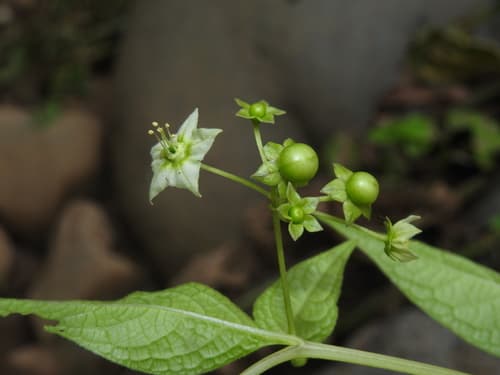
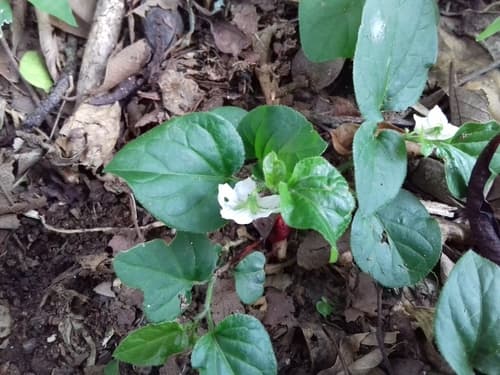
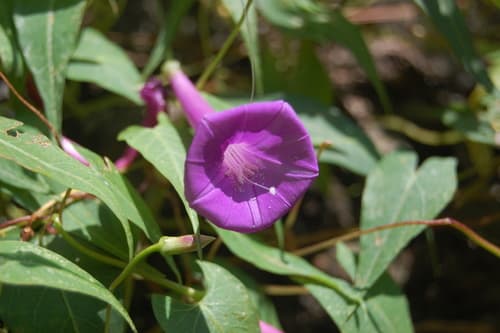
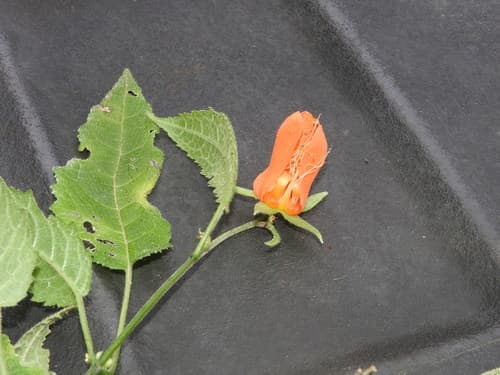
Nasa auca is an herbaceous plant characterized by its distinctive stinging hairs (glochids) covering the stems and leaves. It produces showy, often orange or red, tubular flowers with numerous prominent stamens, as seen in the image. The leaves are typically simple and serrated.