Solanum adscendens
NameSolanum adscendens
Scientific NameSolanum adscendens
Common NamesAscending Nightshade, Black Nightshade (general complex)
Plant FamilySolanaceae
Natural HabitatCommonly found in disturbed areas, agricultural fields, roadsides, and open woodlands in tropical and subtropical regions, particularly in South America. It thrives in various soil types.
Parts Usedleaf,fruit,whole_plant
Medicinal Actionsanti-inflammatory, analgesic, antimicrobial, antioxidant, diuretic
Traditional UsesTraditionally, related Solanum species have been used in poultices for skin conditions, to reduce inflammation and pain, and internally for fevers and as a diuretic. Ripe fruits are sometimes consumed, but unripe fruits are considered toxic.
Active Constituentssteroidal glycoalkaloids (e.g., solamargine, solasonine), saponins, flavonoids, phenolic compounds
Preparation Methodsinfusion, poultice, decoction
Contraindications & WarningsAll parts, especially unripe fruits, contain toxic steroidal glycoalkaloids. Ingestion can cause gastrointestinal upset, nausea, vomiting, and neurological symptoms. Avoid during pregnancy, lactation, and in individuals with liver or kidney conditions. Consult a healthcare professional before use.
Cultivation NotesEasily grown from seed, often considered a weed in its native range. Prefers full sun to partial shade and adaptable to a variety of soil conditions, thriving in disturbed or cultivated ground.
Raritycommon
Description
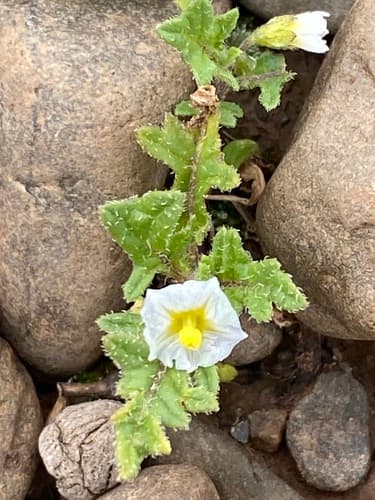
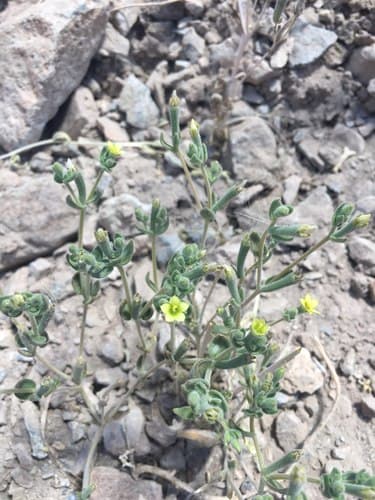
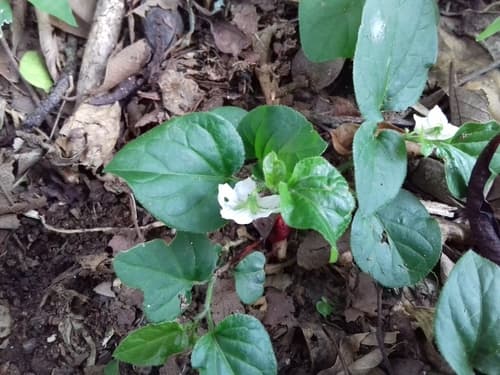
A herbaceous annual or short-lived perennial plant, typically growing in an ascending or sprawling habit. It features simple, ovate to lanceolate green leaves and small white, star-shaped flowers with prominent yellow anthers, characteristic of the nightshade family.