Nasa aequatoriana
NameNasa aequatoriana
Scientific NameNasa aequatoriana
Common NamesEcuadorian Stinging Nettle
Plant FamilyLoasaceae
Natural HabitatEndemic to Ecuador, typically found in humid montane forests, cloud forests, or sub-páramo regions at higher elevations.
Parts Usedwhole_plant,leaf
Medicinal Actionsanalgesic, anti-inflammatory
Traditional UsesWhile specific detailed ethnobotanical records for Nasa aequatoriana are scarce, other Nasa species are traditionally used as counter-irritants for rheumatic pain, arthritis, or localized inflammation. The stinging hairs are intentionally applied to the skin to create a localized inflammatory response, which can distract from deeper pain or stimulate circulation.
Active ConstituentsFlavonoids, Tannins, Irritating compounds (e.g., histamine-like substances, acetylcholine) in stinging hairs
Preparation Methodspoultice, powder
Contraindications & WarningsDue to stinging hairs, direct contact can cause significant skin irritation, redness, itching, and pain. Not for internal use. Avoid contact with eyes and mucous membranes.
Cultivation NotesRequires a humid, cool environment, mimicking its native montane cloud forest habitat. Prefers well-drained, rich soil and partial shade. Difficult to cultivate outside its natural range.
Rarityuncommon
Description
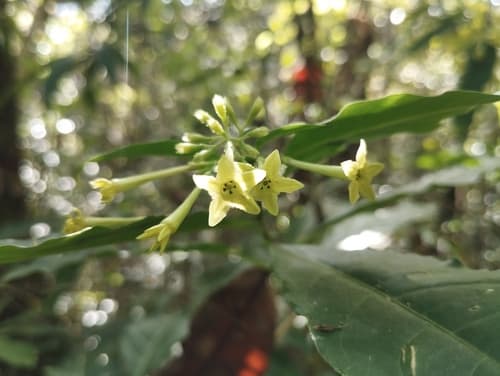
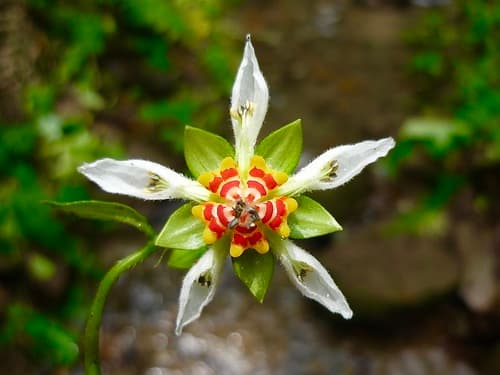
A herbaceous plant characterized by striking, star-shaped flowers. The flowers typically feature five white, somewhat translucent petals surrounding a vibrant center of green sepals, and red and yellow floral structures, often with prominent stinging hairs on various parts of the plant.