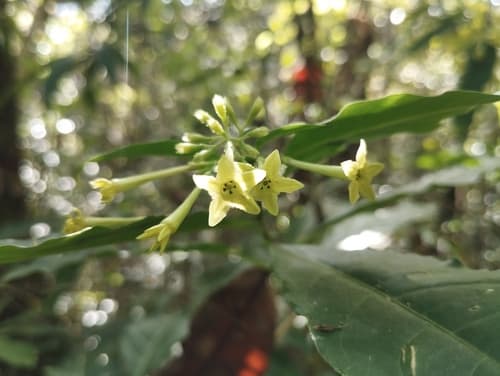
Cestrum elegantissimum
NameCestrum elegantissimum
Scientific NameCestrum elegantissimum
Common NamesCrimson Cestrum, Purple Cestrum, Yellow Cestrum
Plant FamilySolanaceae
Natural HabitatNative to South America, particularly Chile and Argentina, it thrives in temperate to subtropical climates. It is often found in disturbed areas, forest edges, and along waterways, and is widely cultivated as an ornamental.
Parts Usedleaf,flower
Medicinal Actionsanalgesic, anti-inflammatory
Traditional UsesWhile all parts of Cestrum elegantissimum are considered highly toxic, some folk medicine traditions in its native range have reportedly used external applications of the leaves or flowers for pain relief and reducing inflammation. Due to its significant toxicity, internal use is strictly avoided, and even external applications are undertaken with extreme caution and are not widely recommended.
Active ConstituentsTropane alkaloids, Saponins
Preparation Methodspoultice, infusion
Contraindications & WarningsCestrum elegantissimum is highly toxic. All parts of the plant, especially the berries, contain poisonous alkaloids and saponins. Ingestion can cause severe gastrointestinal upset, neurological symptoms, and can be fatal to humans and livestock. Avoid all internal use. External use should be approached with extreme caution due to potential skin irritation or absorption of toxins.
Cultivation NotesThis shrub prefers full sun to partial shade and well-drained soil. It is relatively tolerant of various soil types but thrives in moist, fertile conditions. It can be fast-growing and may become invasive in some regions if not managed.
Raritycommon
Description
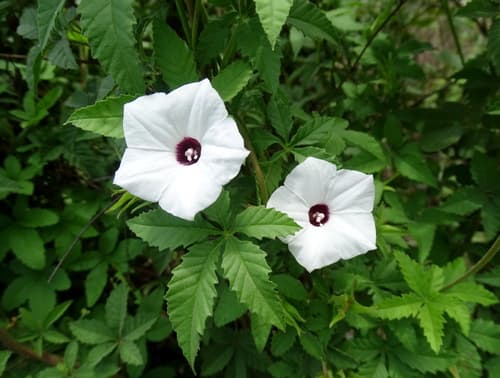
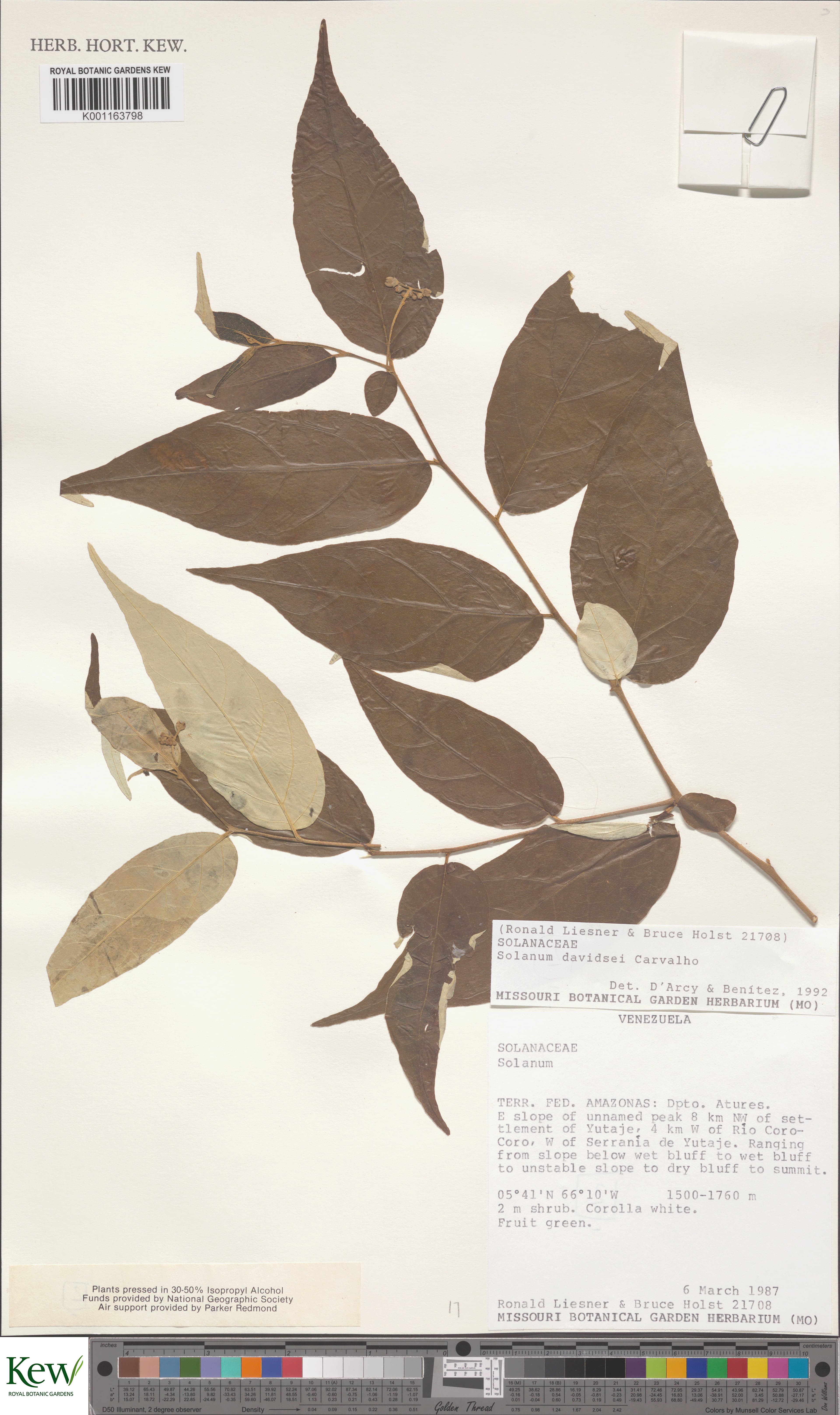
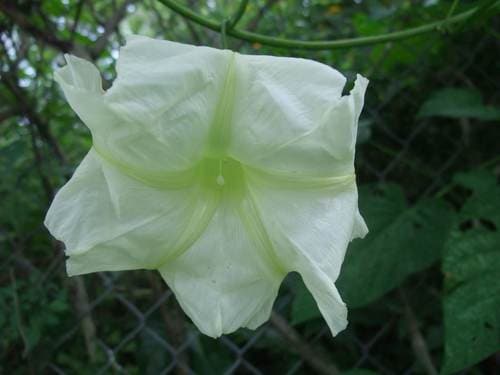
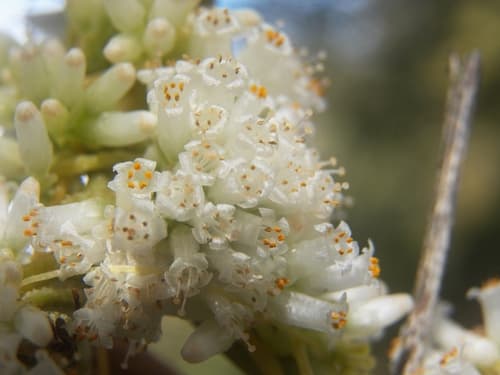
Cestrum elegantissimum is an evergreen shrub, typically growing 2-4 meters tall, characterized by simple, alternate, ovate leaves. It produces clusters of tubular, star-shaped flowers, which can vary in color from crimson to purple, or, as seen in the image, pale yellow, often followed by red or purple berries.