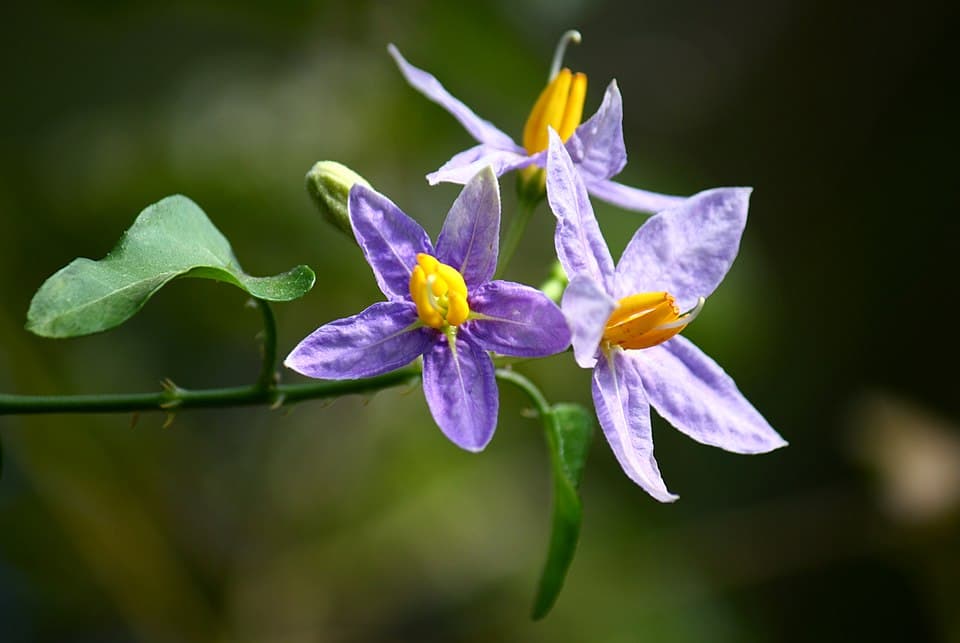
Solanum cochoae
Image: Balvin, Richard, Melchor-Castro, R. Briggitthe & Gonzalo, Lynn (cc0)
NameSolanum cochoae
Scientific NameSolanum cochoae G.J.Anderson & Bernardello
Plant FamilySolanaceae
Natural HabitatNative to the high-altitude Andean regions of Peru, often found in disturbed areas, agricultural margins, or open woodlands. The specimen was collected in Cajamarca, Peru.
Parts Used
Traditional UsesThere are no documented traditional medicinal uses for Solanum cochoae. Wild potato species are generally considered toxic due to high levels of steroidal glycoalkaloids, making them unsuitable for consumption or medicinal application.
Active ConstituentsSteroidal glycoalkaloids (e.g., solanine, chaconine)
Contraindications & WarningsDue to the likely presence of toxic steroidal glycoalkaloids common in wild Solanum species, consumption or topical application is highly contraindicated. Ingestion can lead to severe poisoning symptoms including nausea, vomiting, diarrhea, headaches, and neurological disturbances.
Cultivation NotesPrimarily cultivated for research purposes, particularly for genetic studies related to potato breeding. Requires conditions similar to its native high-altitude Andean habitat, including well-drained soil and specific temperature ranges.
Rarityuncommon
Description
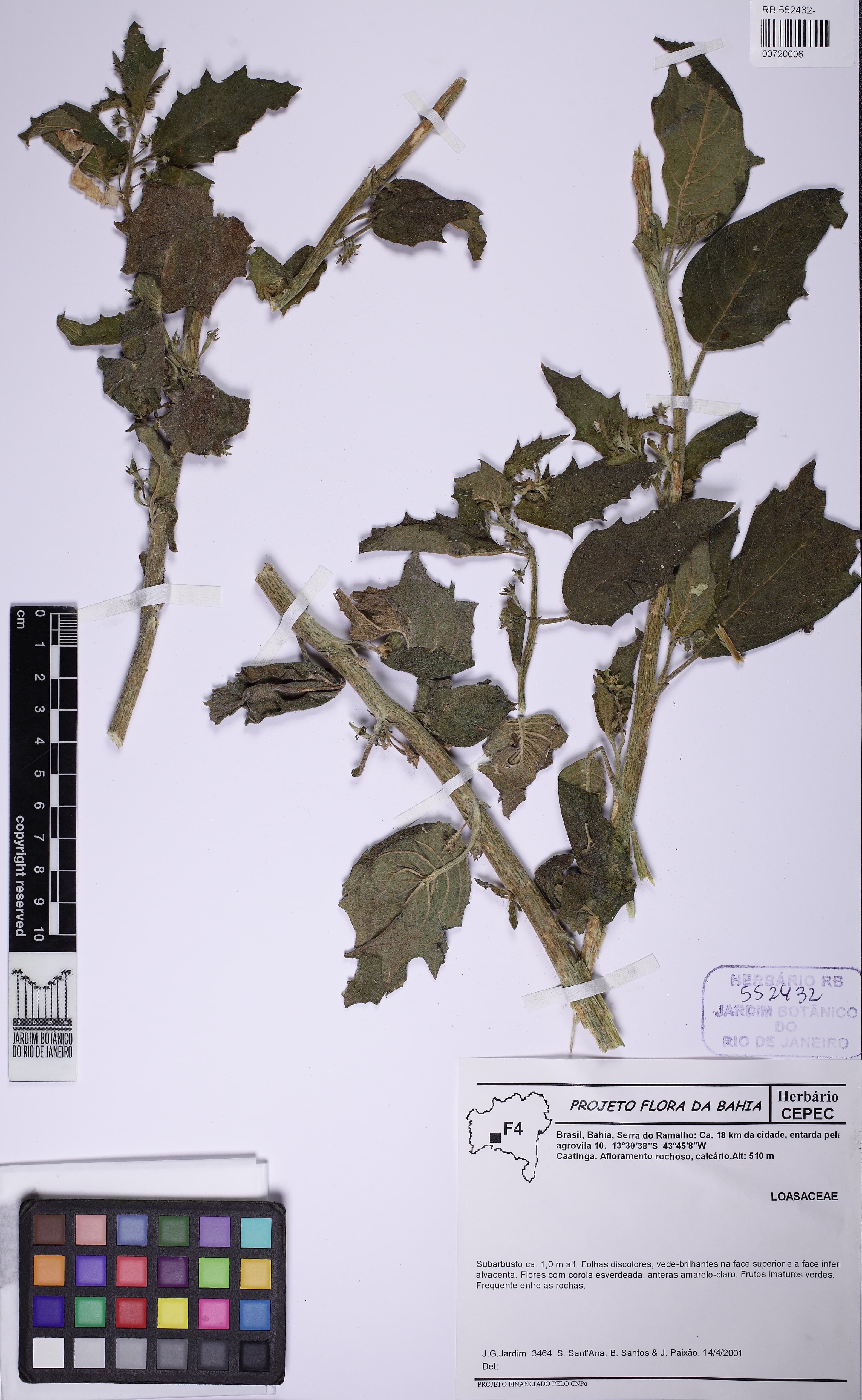
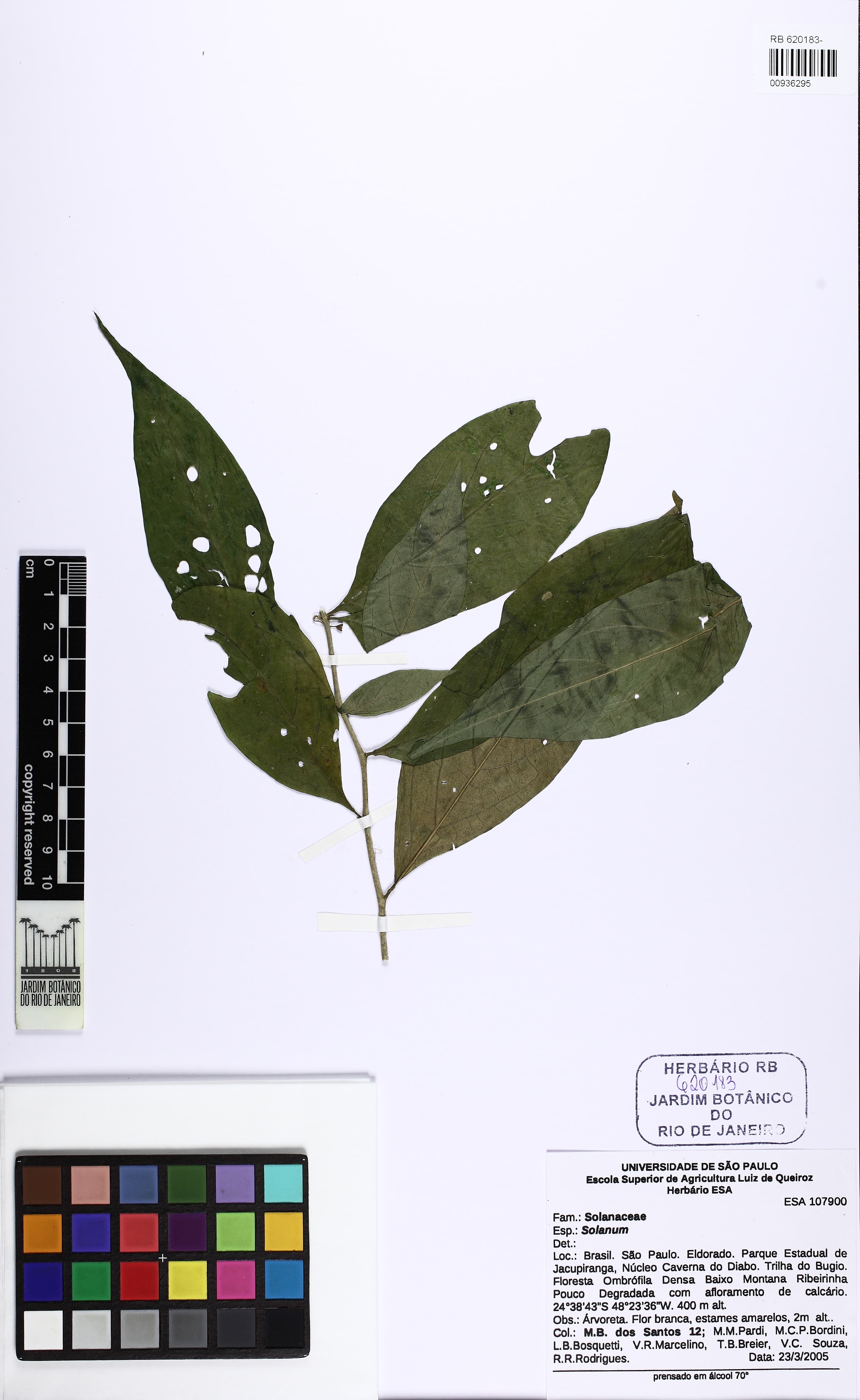
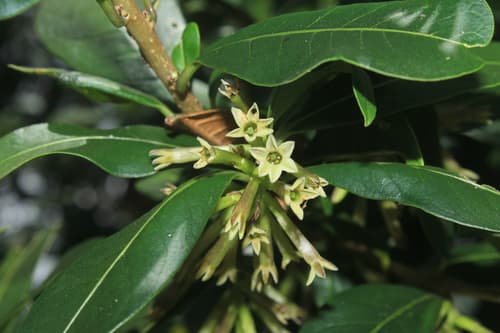
Solanum cochoae is a herbaceous wild potato species characterized by its simple or pinnately lobed leaves and slender stems. It is primarily known for its genetic relationship to cultivated potatoes and is not typically used for food or medicine.