Ipomoea sororia
NameIpomoea sororia
Scientific NameIpomoea sororia
Common NamesSister Morning Glory, Narrow-leaved Morning Glory
Plant FamilyConvolvulaceae
Natural HabitatTypically found in sandy soils, disturbed areas, open woodlands, and coastal regions, preferring full sun to partial shade. It is native to certain parts of the Americas.
Parts Usedleaf,root
Medicinal Actionsanti-inflammatory, antioxidant
Traditional UsesSpecific traditional medicinal uses for Ipomoea sororia are not widely documented in ethnobotanical literature. While other Ipomoea species are used for various purposes, direct evidence for this particular species is scarce.
Active Constituentsalkaloids, glycosides, flavonoids
Preparation Methodsinfusion, decoction, powder
Contraindications & WarningsDue to limited specific research on Ipomoea sororia, potential toxicity, especially from seeds, cannot be ruled out. It is advisable to avoid internal use without expert guidance, as many Ipomoea species contain compounds with strong physiological effects.
Cultivation NotesThis vine can be grown from seed in well-drained soil and prefers full sun to partial shade. It is generally adaptable but may require support for climbing.
Rarityuncommon
Description
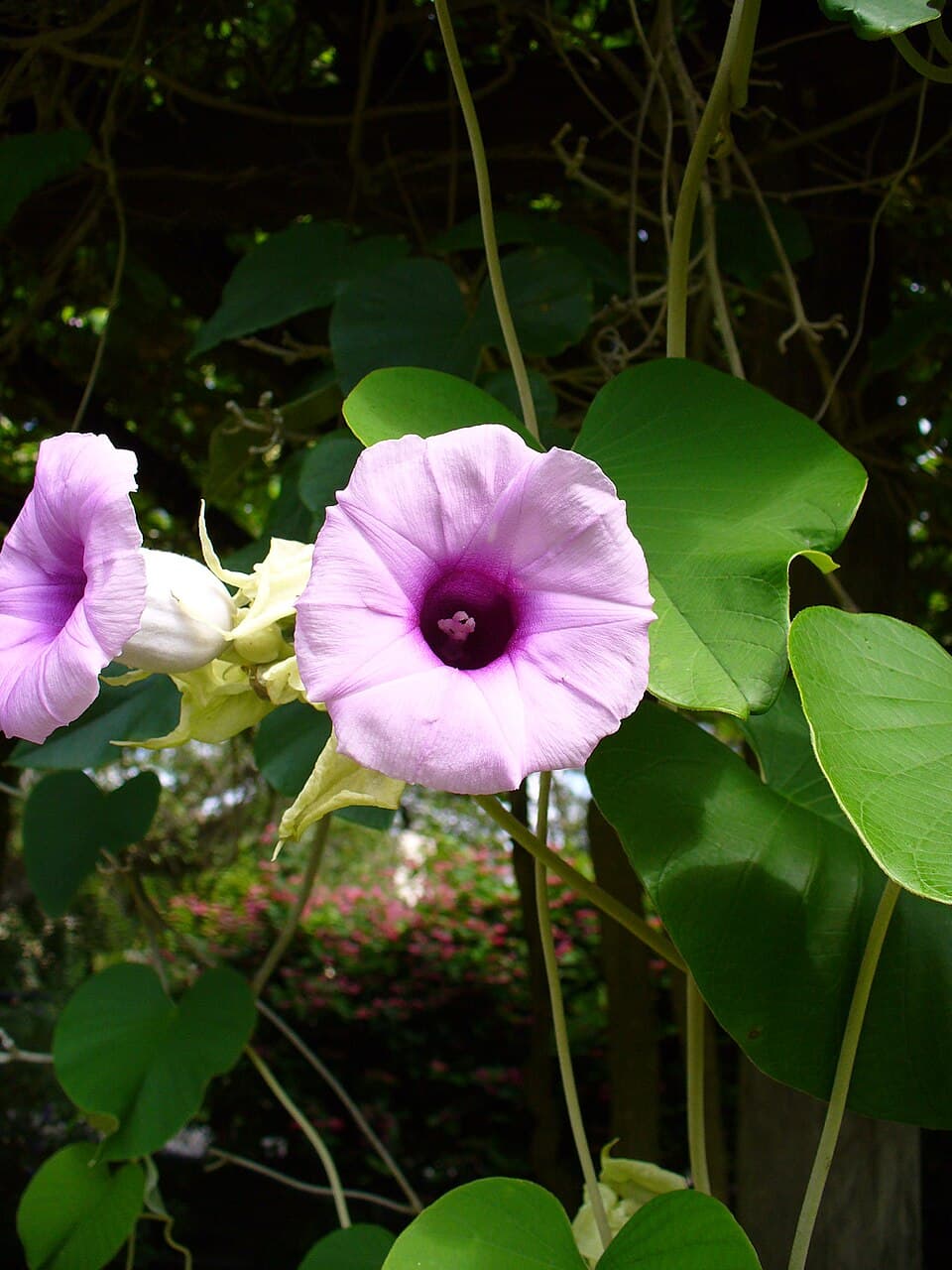
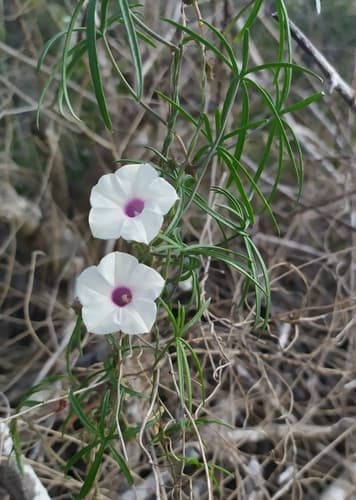
A perennial climbing vine characterized by its slender stems and distinctive deeply lobed or linear leaves. It produces delicate, trumpet-shaped flowers, typically white with a vibrant purple or magenta center, blooming during the morning hours.