Hydrangea nahaensis
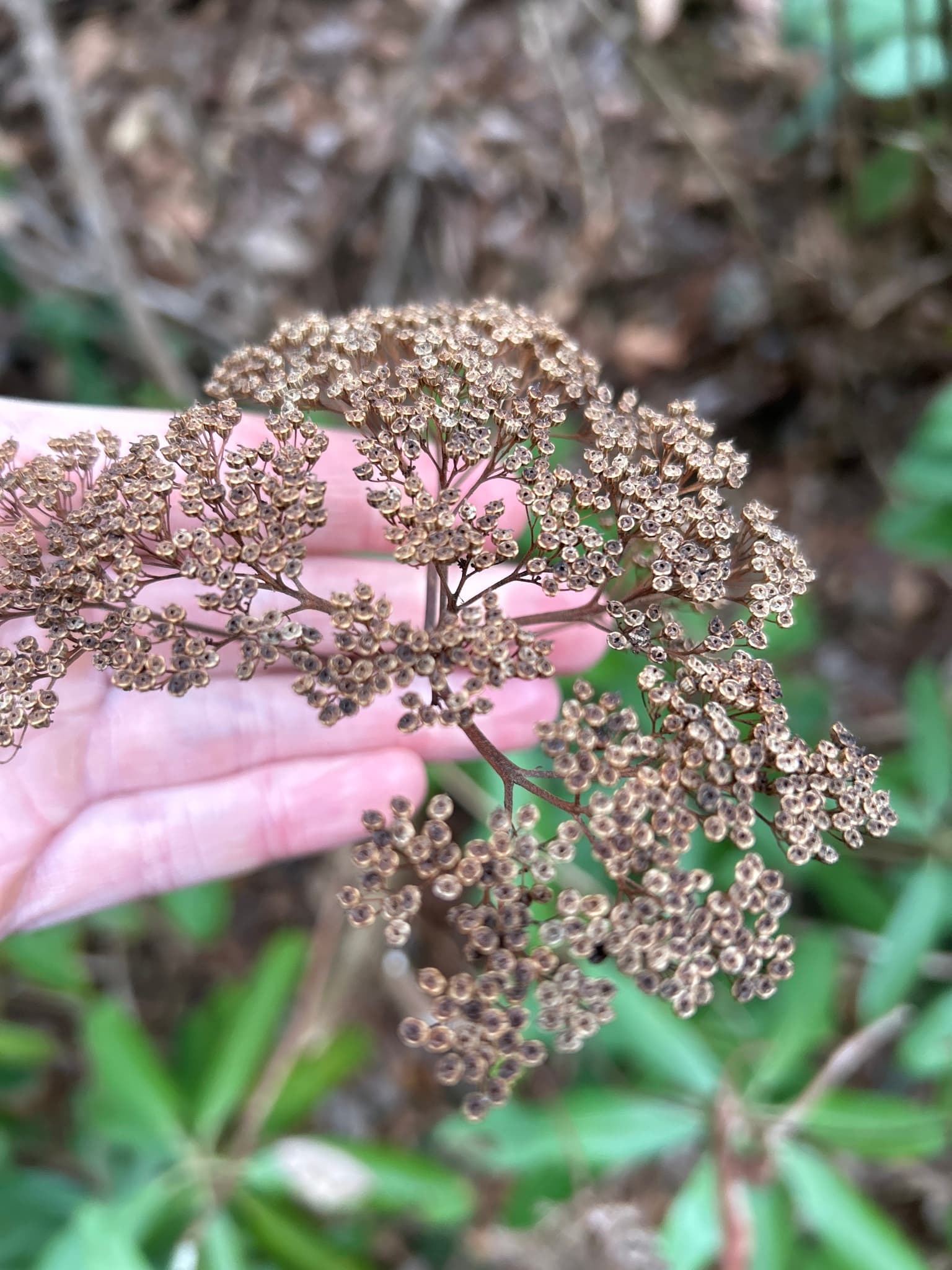
Image: Daniel Petersen (cc-by-nc)
NameHydrangea nahaensis
Scientific NameHydrangea arborescens
Common NamesWild Hydrangea, Smooth Hydrangea, Sevenbark
Plant FamilyHydrangeaceae
Natural HabitatFound in moist woodlands, stream banks, and rocky slopes, often thriving in partial to full shade and rich, well-drained soil.
Parts Usedroot
Medicinal Actionsdiuretic, anti-inflammatory
Traditional UsesTraditionally, the root of Wild Hydrangea has been used by Native Americans and early American settlers primarily for urinary tract issues, including kidney and bladder stones, gravel, and infections. It was also employed for prostate enlargement, rheumatism, and as a general diuretic to promote urine flow.
Active Constituentshydrangin, saponins, flavonoids, volatile oils
Preparation Methodsdecoction, tincture, powder
Contraindications & WarningsLarge doses may cause gastrointestinal upset such as nausea, vomiting, or diarrhea. It should be used with caution in individuals with kidney disease or those taking diuretic medications. Not recommended for pregnant or breastfeeding women.
Cultivation NotesThis plant prefers partial shade but can tolerate full sun if kept consistently moist. It thrives in rich, moist, well-drained soil and is hardy in USDA zones 3-9. Pruning in late winter or early spring encourages robust new growth and flowering.
Raritycommon
Description
Hydrangea arborescens is a deciduous shrub native to eastern North America, typically growing 3-6 feet tall. It produces large, rounded clusters of white or greenish-white flowers in summer, which mature into persistent brown seed heads as seen in the image.