Dwarf Nightshade
NameDwarf Nightshade
Scientific NameSolanum nigrum
Common NamesBlack Nightshade, Garden Nightshade, Common Nightshade
Plant FamilySolanaceae
Natural HabitatA cosmopolitan weed, it thrives in disturbed areas, gardens, agricultural fields, roadsides, and waste places, preferring full sun to partial shade and moist, well-drained soil.
Parts Usedleaf,fruit
Medicinal Actionsanalgesic, anti-inflammatory, sedative
Traditional UsesTraditionally, the leaves of Dwarf Nightshade were used externally as a poultice for skin inflammations, boils, wounds, and rheumatic pains due to its anti-inflammatory and analgesic properties. Historically, it was also used internally as a sedative and narcotic, but this practice is largely abandoned due to its high toxicity. Ripe berries were occasionally consumed in small quantities in some cultures, but unripe berries are highly poisonous.
Active ConstituentsSolanine, Solamargine, Solasonine, Saponins, Flavonoids
Preparation Methodspoultice, salve, infusion
Contraindications & WarningsDwarf Nightshade is highly toxic; all parts of the plant, especially unripe berries, contain poisonous glycoalkaloids. Ingestion can cause severe gastrointestinal upset, neurological symptoms (drowsiness, confusion, paralysis), and can be fatal. Internal use is strongly discouraged. External use should be approached with extreme caution, avoiding broken skin. It is contraindicated for pregnant and breastfeeding women, children, and individuals with liver or kidney conditions. May interact with anticholinergic medications.
Cultivation NotesThis plant is often considered a weed and grows readily from seed in disturbed soils. It prefers full sun to partial shade and moist, well-drained conditions. It is not typically cultivated for medicinal purposes due to its toxicity.
Raritycommon
Description
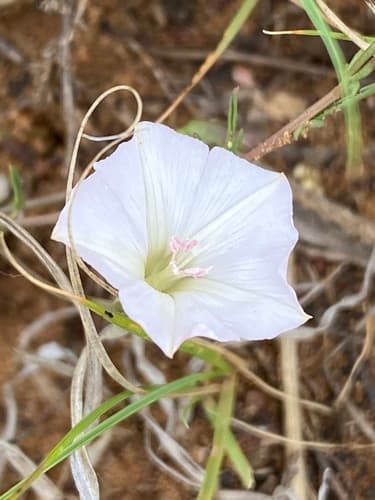
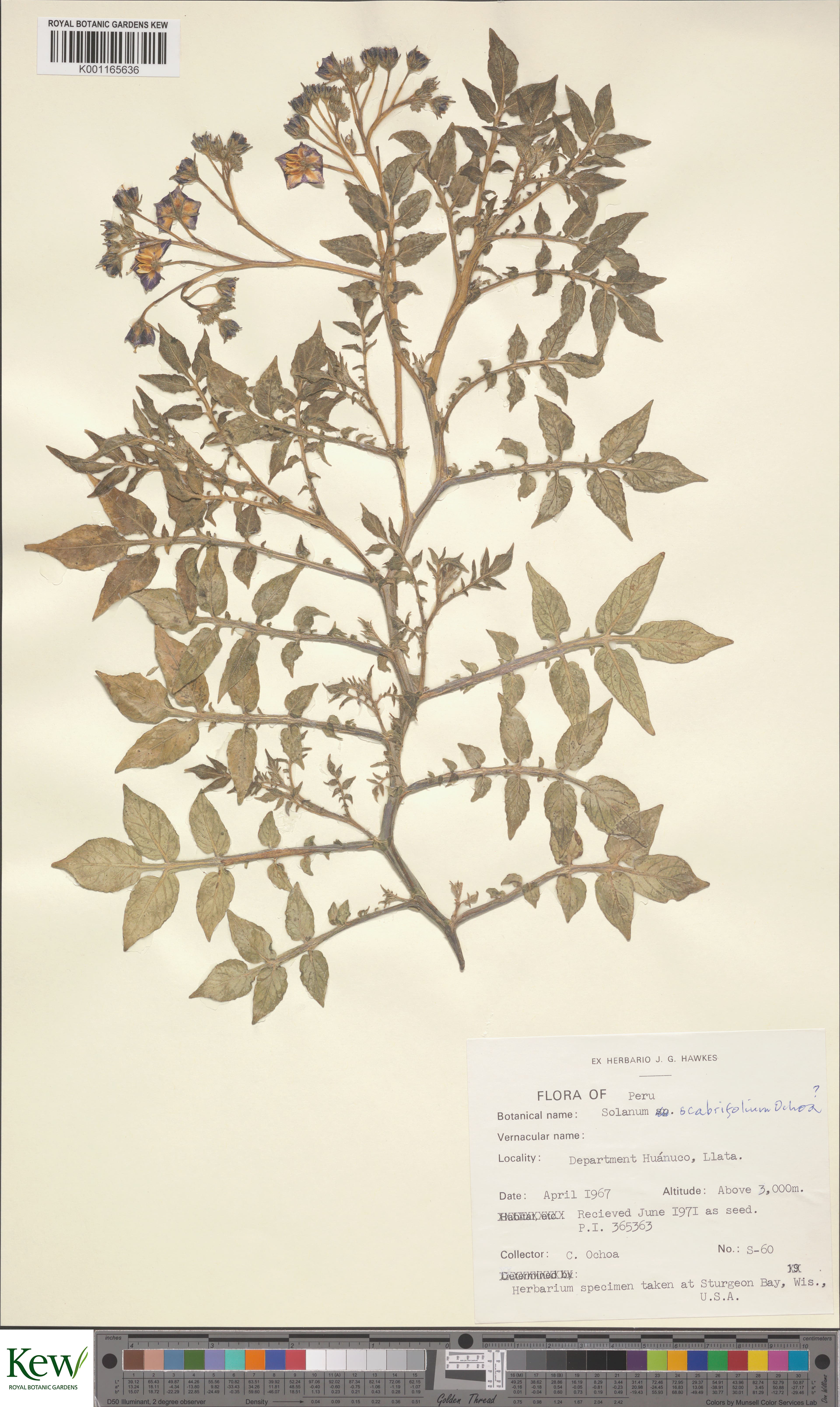
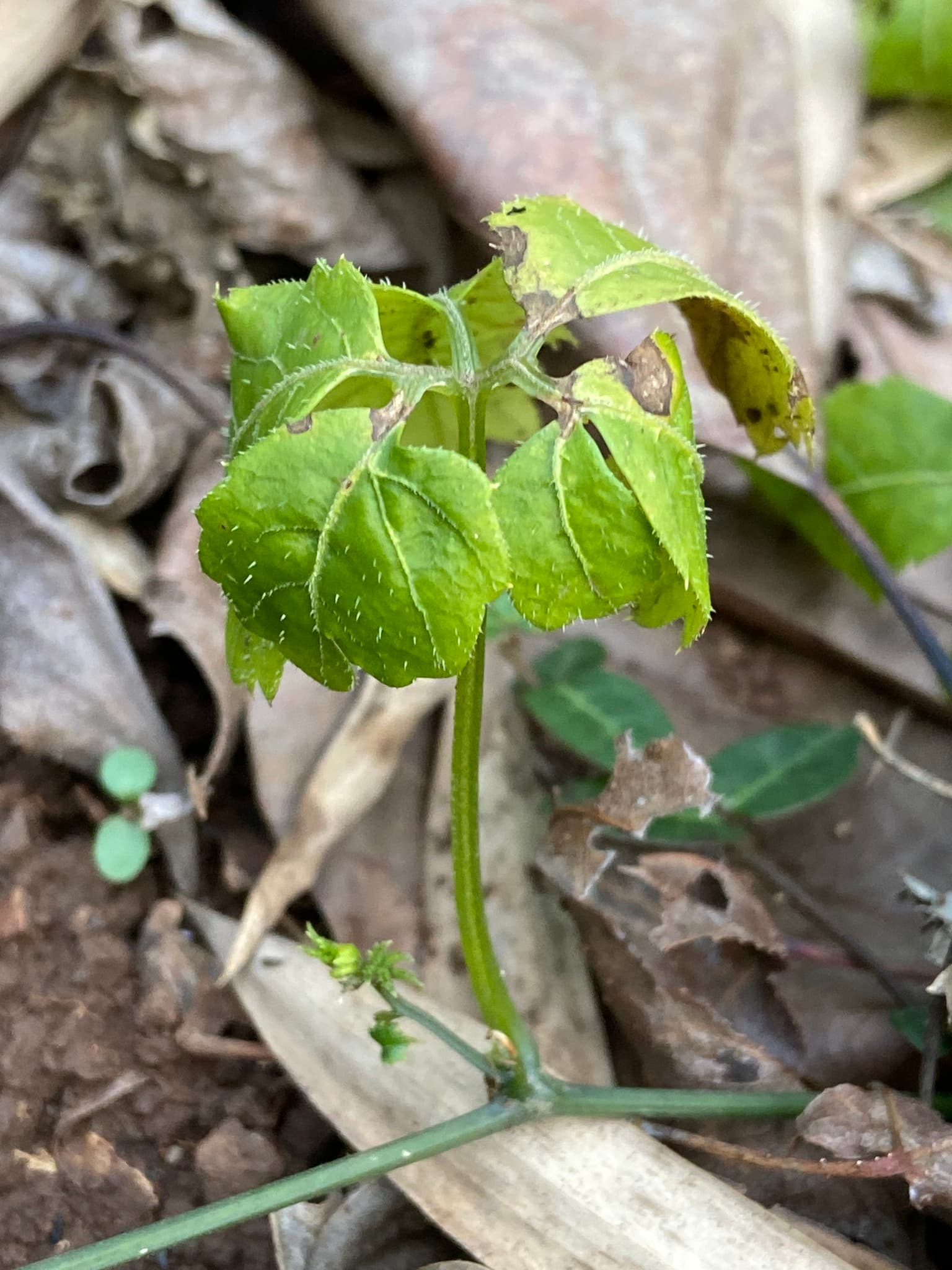
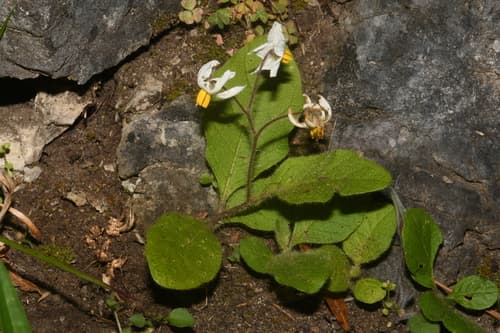
Dwarf Nightshade is a small, herbaceous annual or short-lived perennial plant, typically growing up to 60 cm tall. It features ovate, often wavy-margined leaves and small white flowers with prominent yellow anthers, which develop into small, spherical berries that ripen from green to black. All parts of the plant, especially unripe berries, are toxic due to glycoalkaloids.