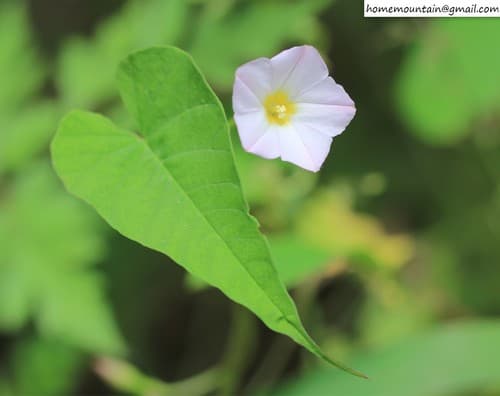
Merremia sibirica
NameMerremia sibirica
Scientific NameMerremia sibirica
Common NamesSiberian Morning Glory, Siberian Woodrose
Plant FamilyConvolvulaceae
Natural HabitatNative to temperate Asia, including Siberia, China, Korea, and Japan, it thrives in forests, forest margins, thickets, grasslands, and along roadsides, often in moist, well-drained soils.
Parts Usedroot,whole_plant
Medicinal Actionsanti-inflammatory, diuretic
Traditional UsesIn traditional Asian medicine, the roots are primarily used as a strong purgative for treating constipation and as a diuretic for edema and urinary difficulties. It is also traditionally employed as a detoxifying agent for various ailments and for some inflammatory conditions.
Active ConstituentsGlycosides, Resin glycosides, Flavonoids
Preparation Methodsdecoction, powder, poultice
Contraindications & WarningsDue to its strong purgative action, it is contraindicated in pregnancy, breastfeeding, and severe gastrointestinal conditions such as inflammatory bowel disease or intestinal obstruction. Use with caution and professional guidance is advised.
Cultivation NotesThis vigorous vine prefers full sun to partial shade and well-drained soil. It can be propagated from seeds and is generally hardy within its native temperate range.
Raritycommon
Description
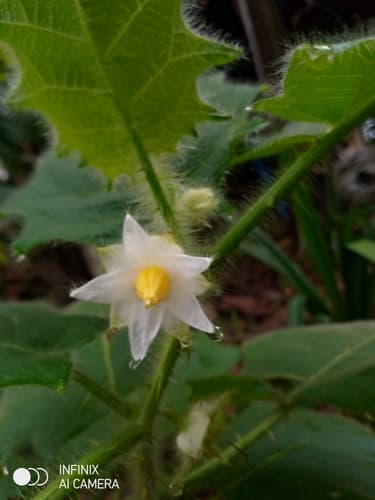
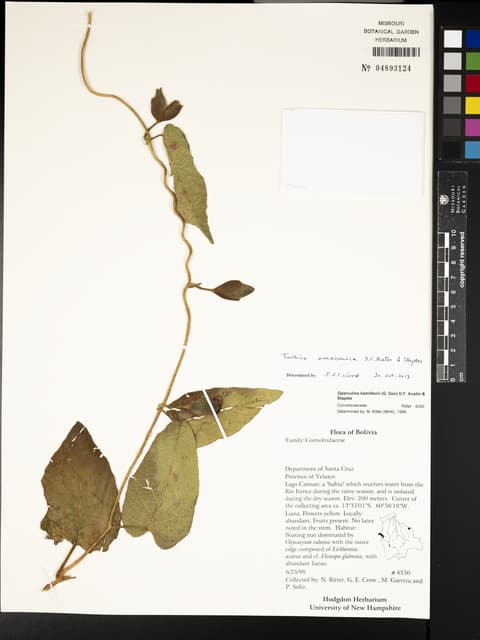
Merremia sibirica is a perennial herbaceous vine characterized by its cordate (heart-shaped) leaves and delicate, funnel-shaped flowers, typically pale pink or white with a yellow throat. It is a climbing or trailing plant that can grow vigorously.