Meadowsweet
NameMeadowsweet
Scientific NameFilipendula ulmaria
Common NamesMeadowsweet, Queen of the Meadow, Bridewort, Meadsweet Spiraea
Plant FamilyRosaceae
Natural HabitatThis plant thrives in moist to wet environments such as damp meadows, fens, marshes, ditches, riverbanks, and damp woodlands across Europe and Western Asia.
Parts Usedflower,leaf
Medicinal Actionsanalgesic, anti-inflammatory, astringent, carminative, diuretic
Traditional UsesTraditionally, Meadowsweet has been used for pain relief, particularly for headaches, joint pain, and rheumatic conditions, due to its salicylate content. It is also employed for digestive complaints like heartburn, indigestion, and stomach ulcers, as well as for colds, flu, and as a mild diuretic to support kidney function.
Active ConstituentsSalicylates (methyl salicylate, salicylic aldehyde), Flavonoids (spiraeoside, rutin), Tannins, Volatile oils
Preparation Methodsinfusion, tincture, powder, salve
Contraindications & WarningsMeadowsweet should be avoided by individuals with an aspirin allergy or sensitivity. Use with caution in those taking anticoagulant medications. Not recommended for pregnant or breastfeeding women without consulting a healthcare professional.
Cultivation NotesMeadowsweet prefers moist to wet soil conditions and can tolerate full sun to partial shade. It is easily propagated by seed or by division of its rhizomes in spring or autumn. It thrives in rich, damp soil and can naturalize readily in suitable environments.
Raritycommon
Description
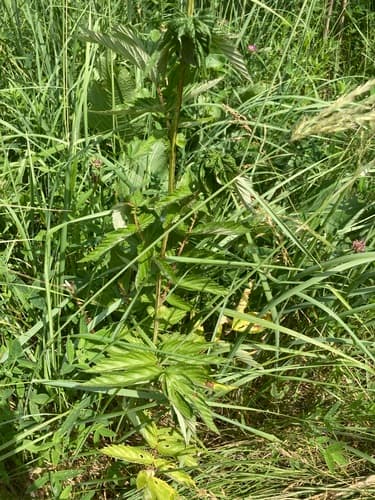
Meadowsweet is a perennial herbaceous plant characterized by its erect, reddish stems and deeply lobed, serrated leaves that are dark green above and whitish-downy beneath. It produces dense clusters of creamy-white, fragrant flowers in summer, which have a distinctive almond-like scent.