Cuscuta longiloba
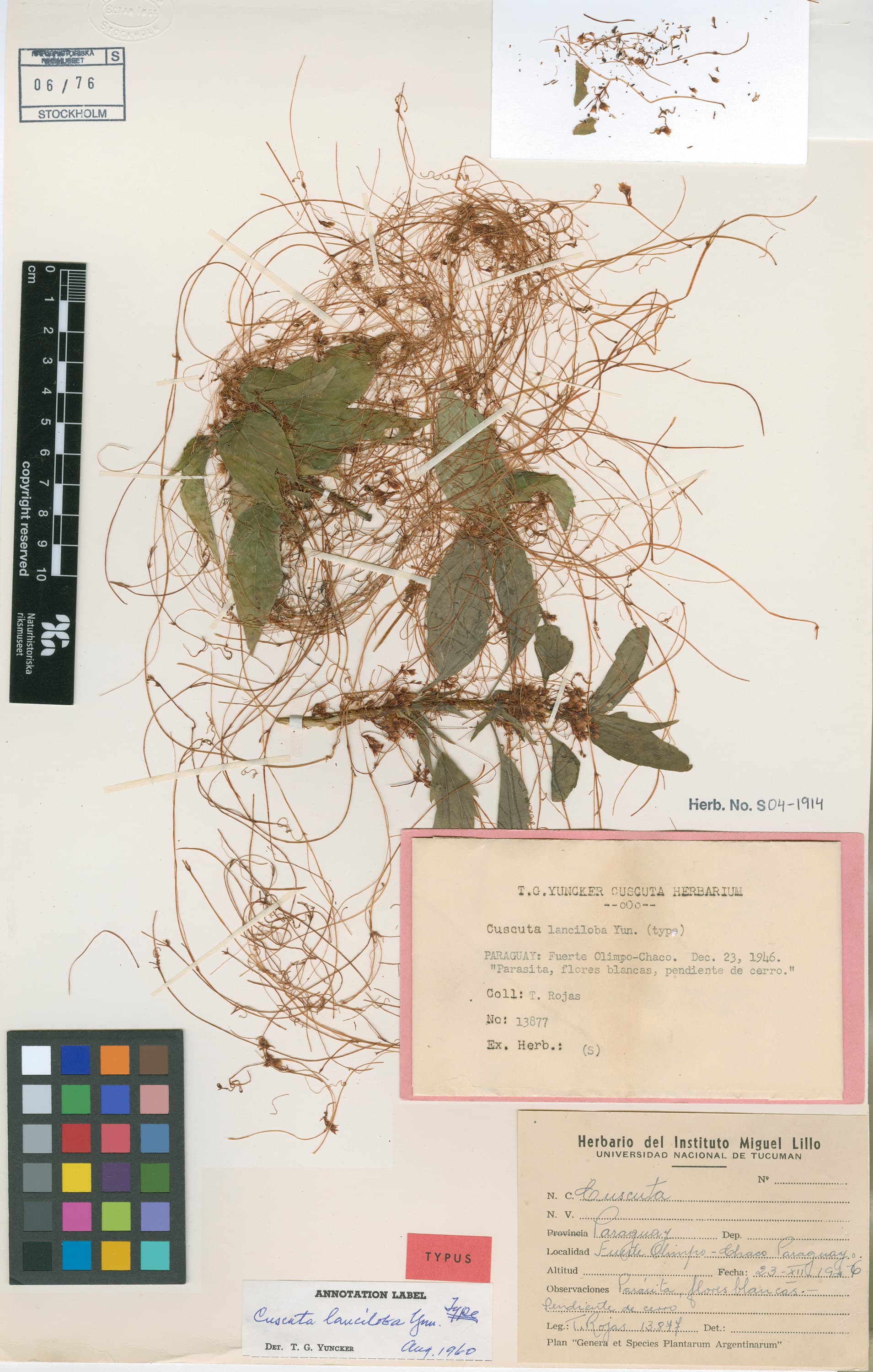
Image: Gunilla Dahlerus Lehman (S) (cc-by)
NameCuscuta longiloba
Scientific NameCuscuta longiloba
Common NamesDodder, Love Vine, Strangleweed
Plant FamilyConvolvulaceae
Natural HabitatAs an obligate parasite, Cuscuta longiloba thrives in habitats where suitable host plants are abundant, such as disturbed areas, fields, and hillsides. The specimen was collected from a hillside slope in Fuerte Olimpo-Chaco, Paraguay.
Parts Usedwhole_plant,seed
Medicinal Actionsadaptogen, anti-inflammatory, antioxidant, astringent, diuretic
Traditional UsesTraditionally, related Cuscuta species (especially their seeds, known as Tu Si Zi in Traditional Chinese Medicine) are used to tonify the kidney and liver, improve vision, and address conditions like impotence, premature ejaculation, frequent urination, and chronic diarrhea. The whole plant may also be used for similar purposes or for skin ailments.
Active Constituentsflavonoids, lignans, polysaccharides, saponins
Preparation Methodsinfusion, decoction, powder, tincture
Contraindications & WarningsContraindications include pregnancy, lactation, and individuals with yin deficiency with heat signs. Potential for drug interactions should be considered due to its metabolic effects.
Cultivation NotesCuscuta longiloba is an obligate parasitic plant and cannot be cultivated independently. It requires a living host plant to germinate, attach, and absorb nutrients for survival and growth.
Raritycommon
Description
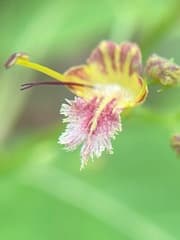
Cuscuta longiloba is a parasitic plant characterized by its thread-like, leafless, yellowish to reddish stems that twine around host plants. It lacks true roots and leaves, absorbing nutrients via specialized structures called haustoria. Small, often white or cream-colored flowers are produced along the stems.