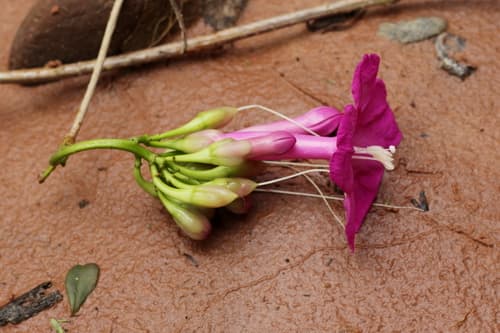
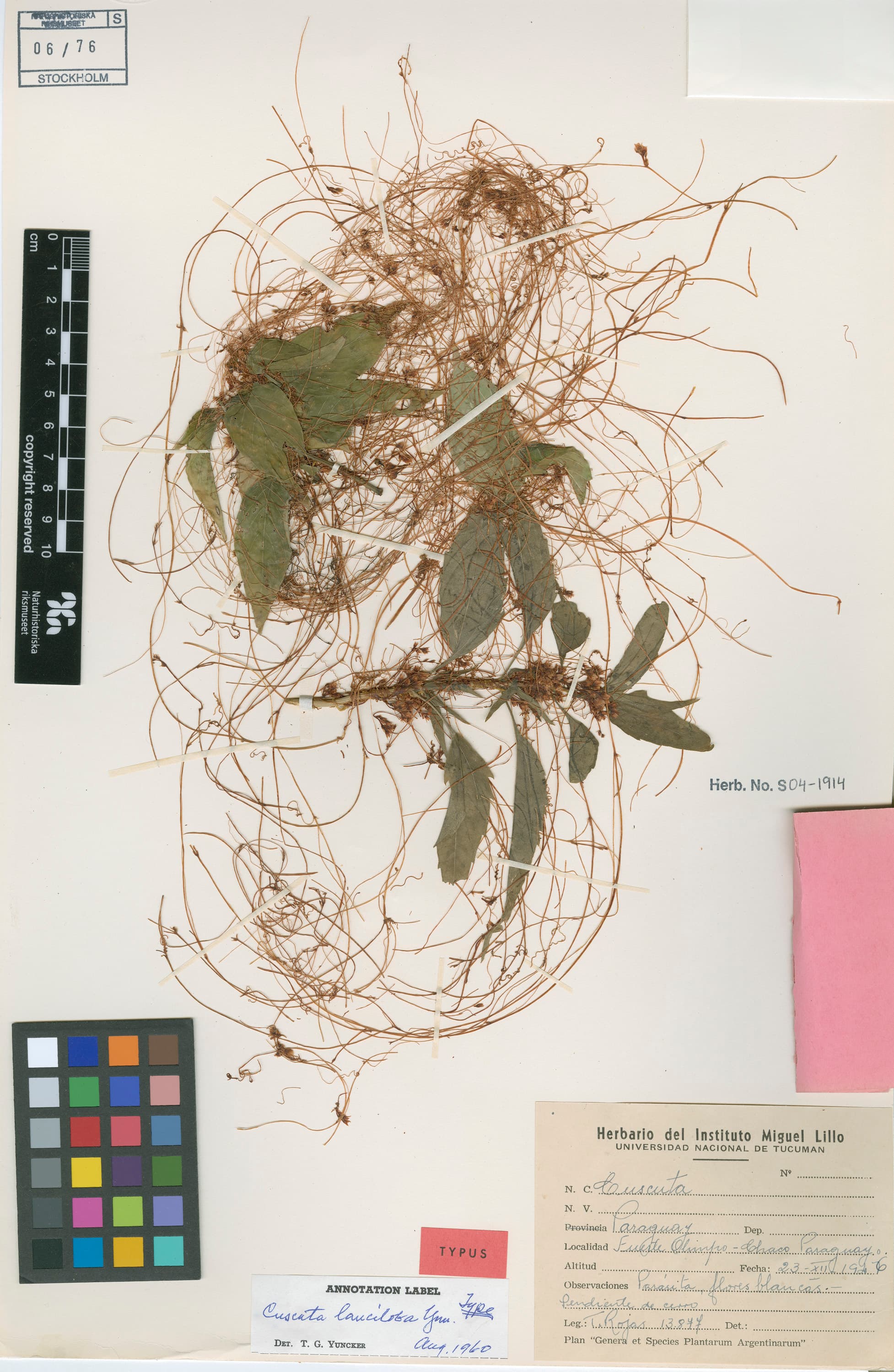
Malabar Rose
NameMalabar Rose
Scientific NameClerodendrum paniculatum
Common NamesPagoda Flower, Pagoda Plant, Red Pagoda, Conehead Clerodendrum, Malabar Rose (misapplied name for this plant, typically refers to the butterfly *Pachliopta hector* or *Hibiscus rosa-sinensis* in some contexts)
Plant FamilyLamiaceae
Natural HabitatNative to tropical Asia, including India, Sri Lanka, and Southeast Asia, it thrives in warm, humid climates. It is commonly found in open forests, clearings, and disturbed areas, and is widely cultivated as an ornamental.
Parts Usedleaf,root,flower
Medicinal Actionsanalgesic, anti-inflammatory, antimicrobial, antioxidant
Traditional UsesIn traditional medicine systems of its native regions, the leaves are traditionally used to treat fever, pain, inflammation, and various skin conditions, often applied as a poultice. The roots are employed for fevers, coughs, and as a general tonic, while flowers are also noted for anti-inflammatory properties.
Active ConstituentsFlavonoids, Triterpenes, Steroids, Phenolics, Clerodane diterpenoids
Preparation Methodsinfusion, decoction, poultice, powder
Contraindications & WarningsSpecific contraindications are not extensively documented, but general caution is advised for pregnant or nursing women. Individuals on blood-thinning medication should consult a healthcare professional due to potential anti-inflammatory effects.
Cultivation NotesClerodendrum paniculatum prefers full sun to partial shade and requires well-drained, fertile soil. It thrives in warm temperatures and high humidity, making it suitable for tropical and subtropical gardens. Propagation can be achieved through seeds or stem cuttings.
Raritycommon
Description
This plant, often mistakenly referred to as Malabar Rose, is botanically known as Clerodendrum paniculatum. It is a striking tropical evergreen shrub characterized by large, heart-shaped leaves and tall, pyramidal clusters of vibrant orange-red flowers with long, prominent stamens.