Madagascar Periwinkle
NameMadagascar Periwinkle
Scientific NameCatharanthus roseus
Common NamesMadagascar Periwinkle, Rosy Periwinkle, Cape Periwinkle, Old Maid
Plant FamilyApocynaceae
Natural HabitatNative to Madagascar, it thrives in tropical and subtropical regions worldwide. It is commonly found in disturbed areas, open woodlands, coastal areas, and as an ornamental garden plant.
Parts Usedwhole_plant,leaf,root
Medicinal Actionsdiuretic, astringent, antioxidant
Traditional UsesTraditionally, Madagascar Periwinkle has been used in various cultures for conditions such as diabetes, hypertension, and as an astringent for wounds. It is most famously the source of powerful vinca alkaloids (vinblastine and vincristine) which are crucial in modern chemotherapy for treating various cancers, though these are extracted and used under strict medical supervision due to the plant's high toxicity.
Active ConstituentsVinblastine, Vincristine, Ajmalicine, Serpentine
Preparation Methodsinfusion, decoction
Contraindications & WarningsMadagascar Periwinkle is highly toxic and should never be used for self-medication. All parts of the plant are poisonous if ingested, causing severe gastrointestinal issues, neurological damage, and bone marrow suppression. It can interact dangerously with numerous medications and is strictly for pharmaceutical extraction and use under medical supervision.
Cultivation NotesThis plant is easy to grow in warm climates, preferring full sun to partial shade and well-drained soil. It is drought-tolerant once established and can be propagated from seeds or cuttings. It is often grown as an annual in cooler climates.
Raritycommon
Description
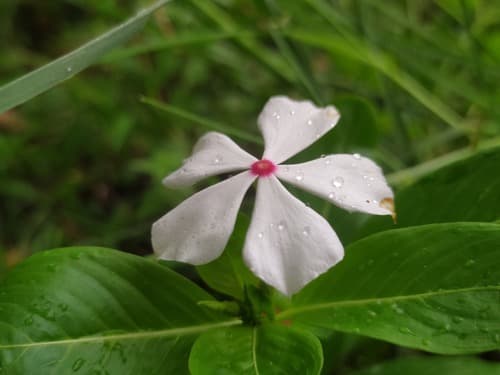
Madagascar Periwinkle is an evergreen subshrub or herbaceous perennial, typically growing to 1 meter tall. It features glossy, dark green, oval leaves and five-petaled flowers that can be white, pink, or purple, often with a contrasting 'eye' in the center.