Solanum acroglossum
Image: Conveyor Belt (cc0)
NameSolanum acroglossum
Scientific NameSolanum acroglossum
Common NamesWild Potato
Plant FamilySolanaceae
Natural HabitatNative to the high-altitude Andean regions of Peru and Bolivia, it is commonly found in rocky areas, disturbed ground, or as a weed in agricultural fields at elevations around 2950 meters.
Parts Usedroot,leaf
Traditional UsesThis species is not widely documented for direct medicinal use due to its high glycoalkaloid content. Wild potato species like Solanum acroglossum are primarily studied for their genetic diversity and agricultural traits, particularly for potato breeding programs.
Active ConstituentsGlycoalkaloids (e.g., solanine, chaconine)
Contraindications & WarningsAll parts of Solanum acroglossum, especially the tubers and green parts, contain high levels of glycoalkaloids (such as solanine and chaconine), making them potentially toxic if ingested. It is not recommended for internal medicinal use.
Cultivation NotesPrimarily cultivated for genetic research and breeding rather than direct consumption or medicinal purposes. It thrives in cool, high-altitude conditions, mimicking its native Andean habitat.
Rarityuncommon
Description
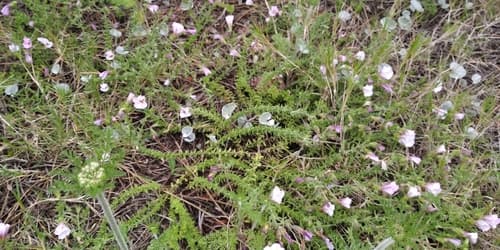
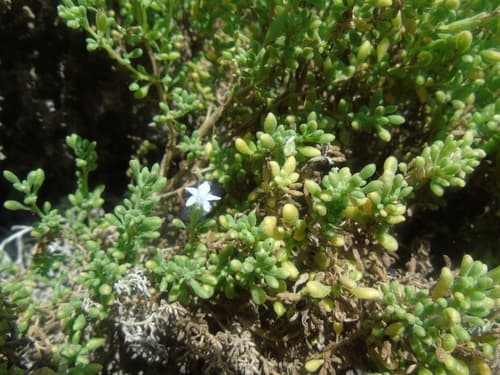
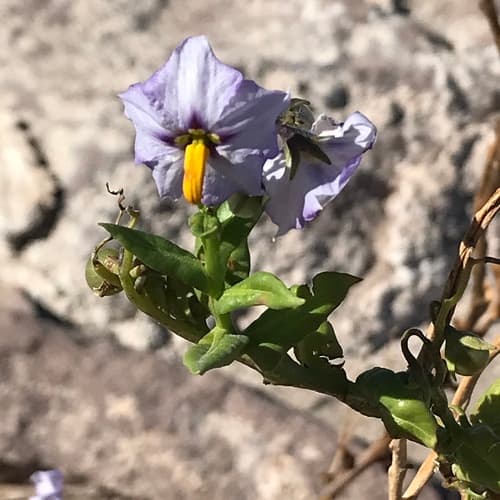
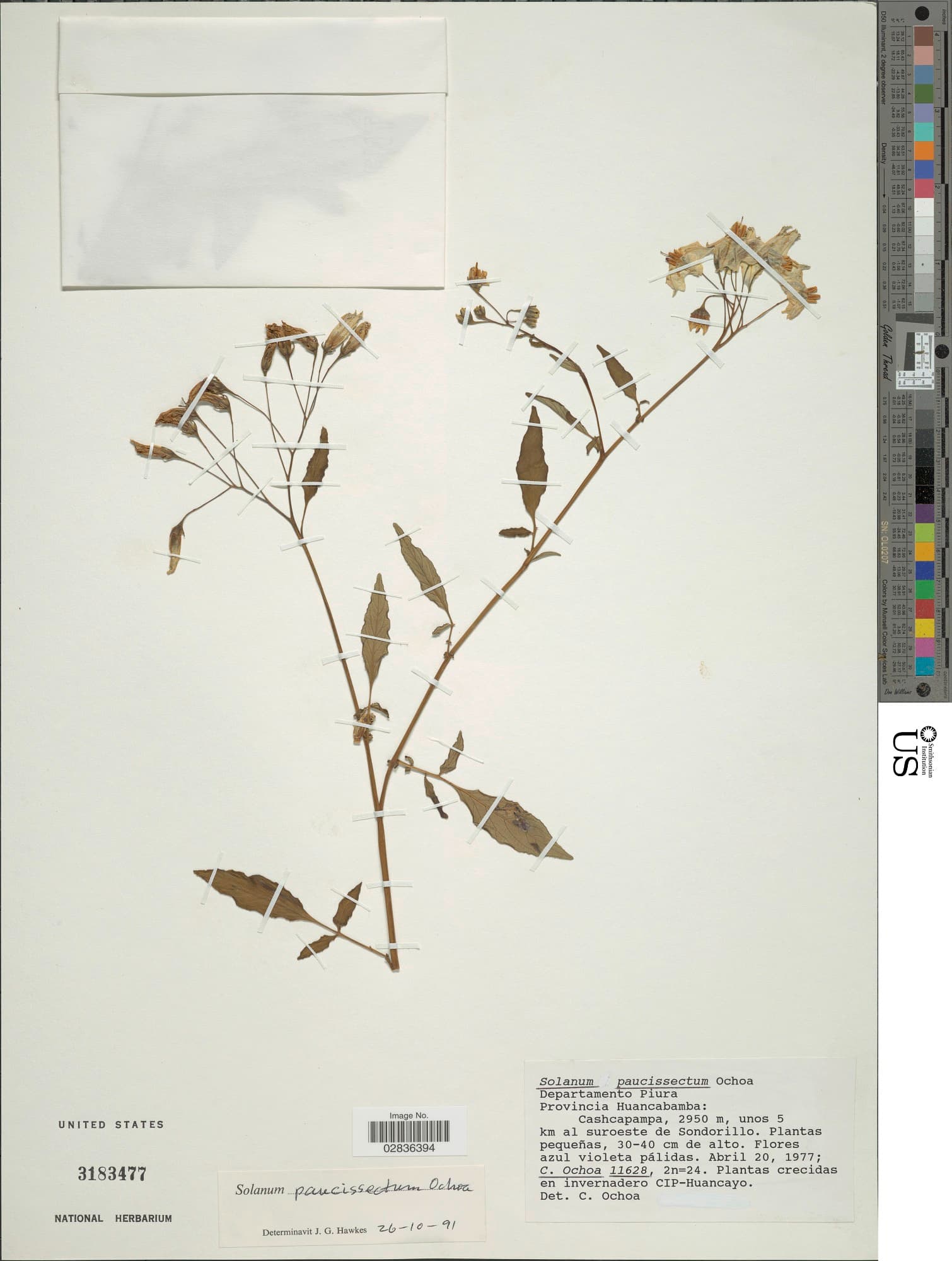
Solanum acroglossum is a herbaceous wild potato species, typically growing to a moderate height. It features simple leaves and small, pale blue-violet flowers, producing small, often bitter tubers.