Lycium martii
NameLycium martii
Scientific NameLycium martii
Common NamesMartius' Boxthorn, Desert Thorn
Plant FamilySolanaceae
Natural HabitatNative to arid and semi-arid regions of South America, including Brazil, Argentina, and Paraguay. It thrives in dry, often disturbed soils, scrublands, and open woodlands.
Parts Usedfruit,leaf,root
Medicinal Actionsadaptogen, antioxidant, anti-inflammatory
Traditional UsesWhile specific ethnobotanical data for Lycium martii is limited, other species within the Lycium genus are traditionally used as a general tonic to support vitality, improve vision, and enhance immune function. The berries are often consumed for their purported adaptogenic and antioxidant properties.
Active ConstituentsPolysaccharides, Carotenoids, Flavonoids, Betaine
Preparation Methodsinfusion, decoction, tincture, powder
Contraindications & WarningsMay interact with anticoagulant medications (e.g., warfarin) due to potential blood-thinning effects. Caution for individuals with nightshade sensitivities or allergies to related plants.
Cultivation NotesPrefers full sun and well-drained soil, showing high drought tolerance once established. It can grow in poor soil conditions and is typically propagated by seeds or cuttings.
Raritycommon
Description
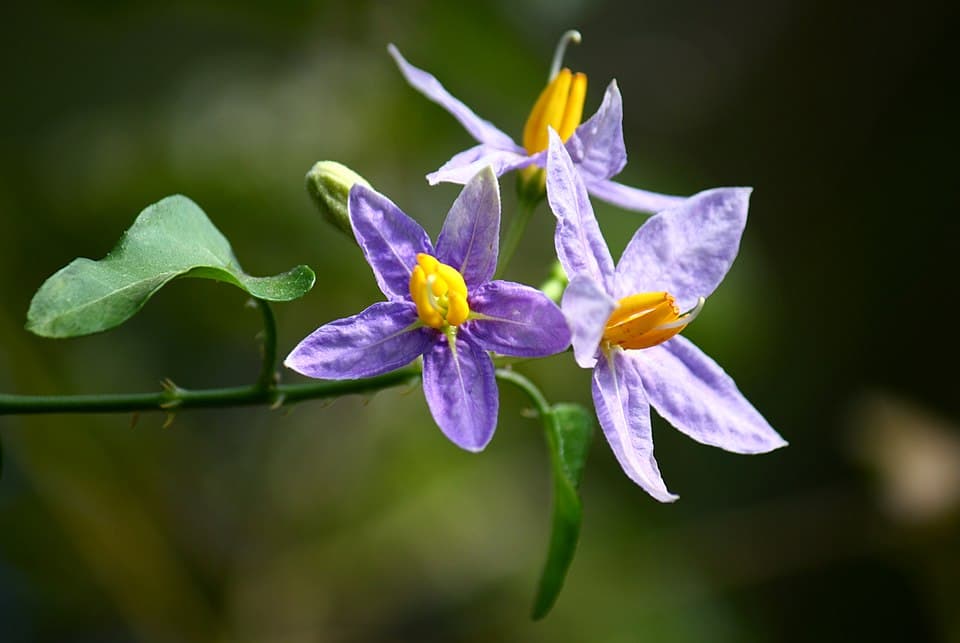
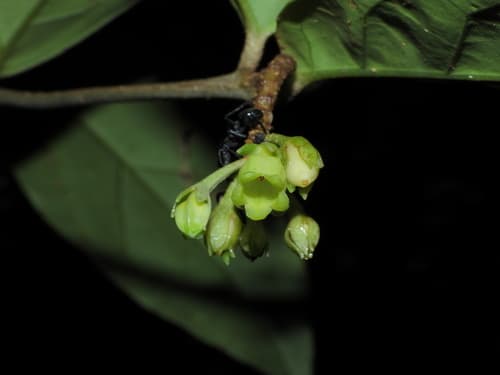
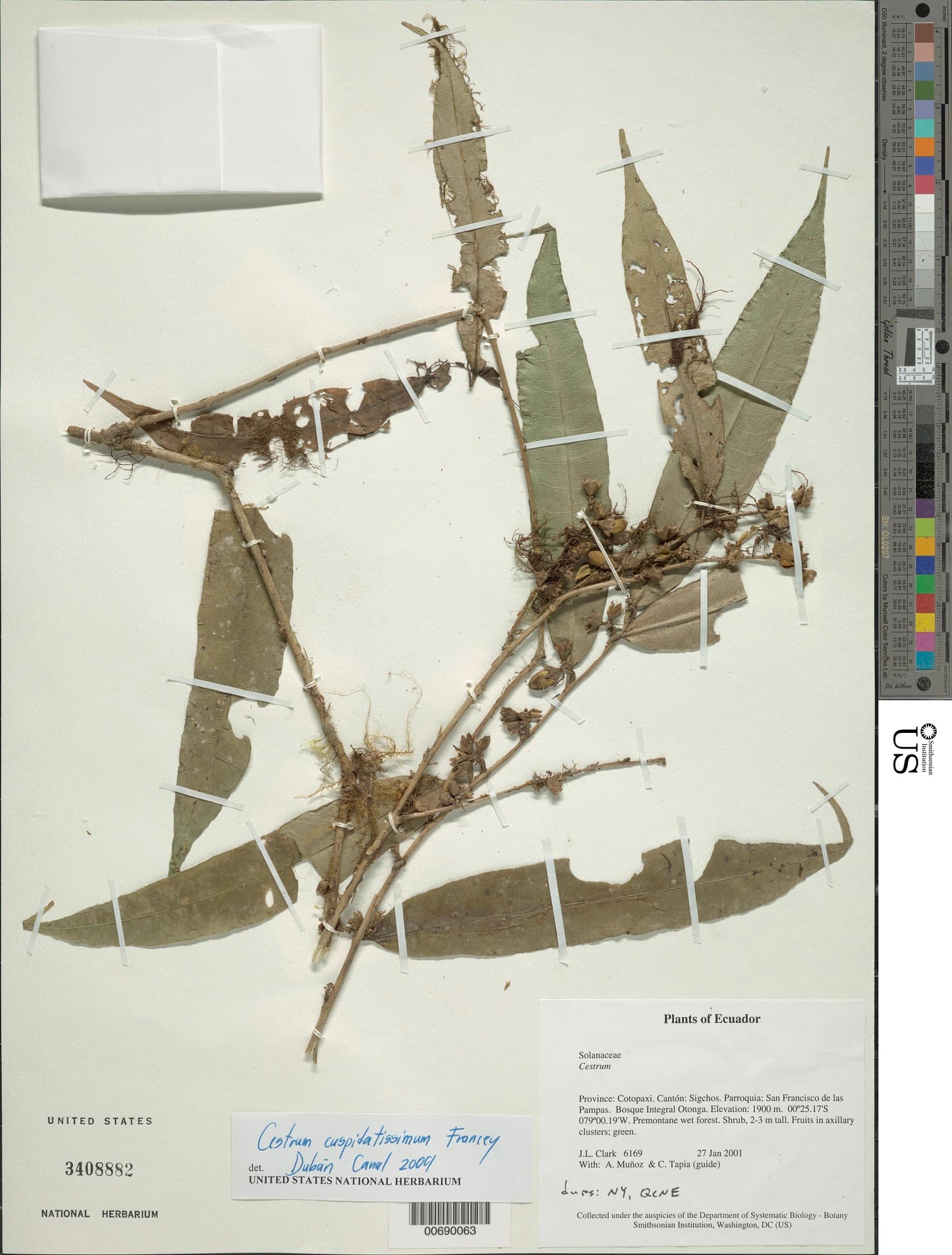
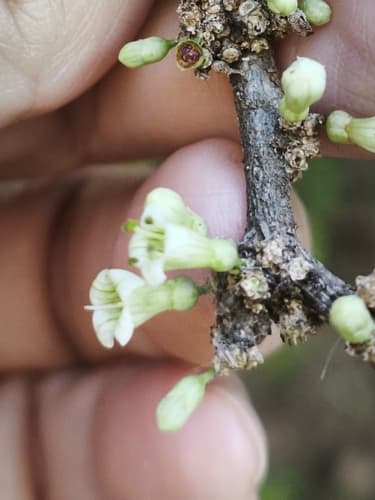
Lycium martii is a thorny, woody shrub characterized by its small, pale greenish-white, bell-shaped flowers with delicate green venation, typically appearing in leaf axils. Its stems are often gnarled and woody, indicative of its resilience in harsh environments.