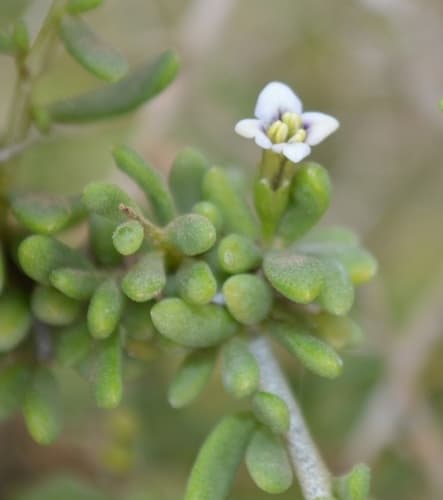
Lycium decumbens
NameLycium decumbens
Scientific NameLycium decumbens
Common NamesDesert Thorn, African Boxthorn
Plant FamilySolanaceae
Natural HabitatArid to semi-arid regions of South Africa, often found on rocky slopes, sandy flats, or coastal areas, adapted to dry conditions.
Parts Usedfruit,leaf,root
Medicinal Actionsadaptogen, anti-inflammatory, antioxidant
Traditional UsesWhile specific traditional uses for Lycium decumbens are not widely documented, other species within the Lycium genus (e.g., Goji berries) are traditionally used as a general tonic, for vision support, immune enhancement, and to promote longevity. It is likely that L. decumbens shares similar local traditional applications.
Active ConstituentsPolysaccharides, Carotenoids, Flavonoids, Vitamin C
Preparation Methodsinfusion, decoction, powder
Contraindications & WarningsGenerally considered safe, but large quantities may interact with anticoagulant medications. Allergic reactions are possible.
Cultivation NotesDrought-tolerant, prefers full sun and well-drained soil. Can be propagated from seeds or cuttings and is hardy in arid climates.
Rarityuncommon
Description
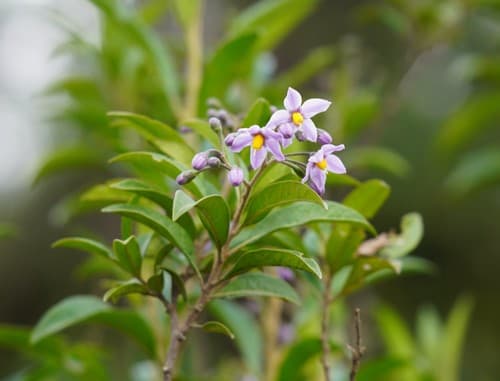
A small, sprawling shrub native to South Africa, characterized by its fleshy, somewhat succulent leaves and small, pale white to lavender flowers with a yellow center. It produces small, red, edible berries.