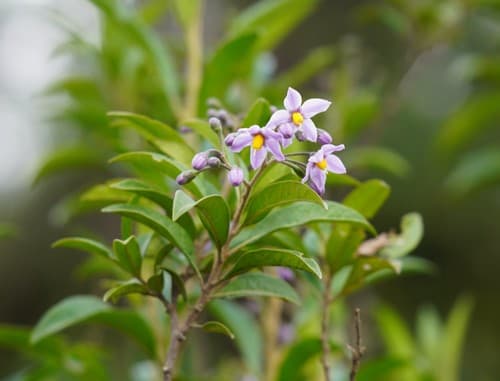
Solanum storkii
NameSolanum storkii
Scientific NameSolanum storkii
Plant FamilySolanaceae
Natural HabitatNative to montane regions of Central and South America, particularly Ecuador and Peru, where it is often found in disturbed areas, forest edges, and secondary growth.
Parts Used
Traditional UsesDue to the presence of toxic steroidal glycoalkaloids common in the Solanum genus, Solanum storkii is generally not recognized for safe internal medicinal use. Any traditional uses would likely be highly localized, external, or involve specific detoxification methods, and should be approached with extreme caution due to potential toxicity.
Active ConstituentsSteroidal glycoalkaloids
Contraindications & WarningsAll parts of Solanum storkii are considered potentially toxic due to the presence of steroidal glycoalkaloids. Ingestion can cause severe gastrointestinal upset, neurological symptoms, and can be fatal. Avoid all internal use. Not safe for pregnant or nursing individuals, children, or those with liver or kidney conditions.
Cultivation NotesPrefers well-drained soil and full sun to partial shade. It requires a warm climate and protection from frost, thriving in tropical and subtropical conditions. Can be propagated from seed or cuttings.
Rarityuncommon
Description
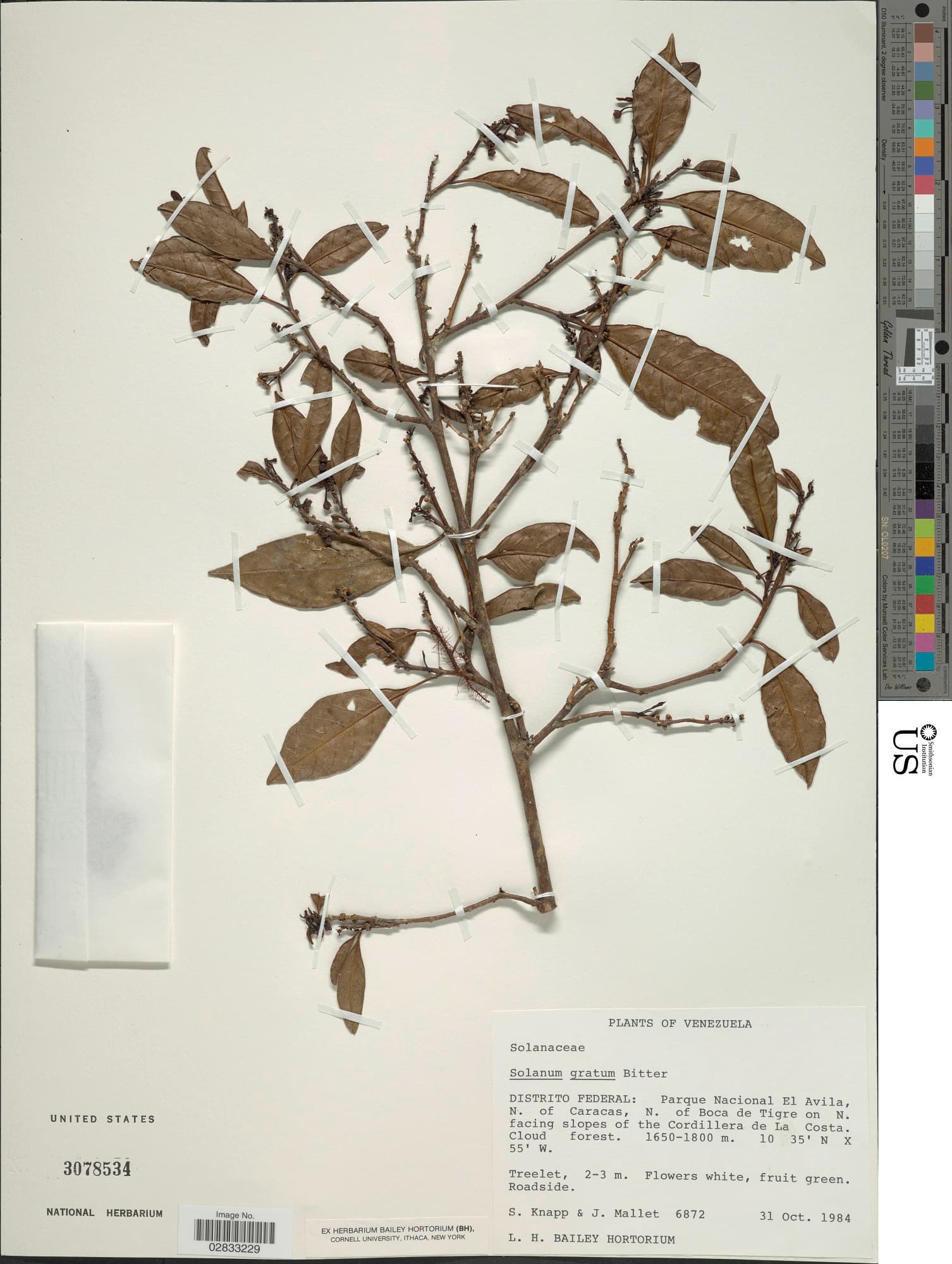
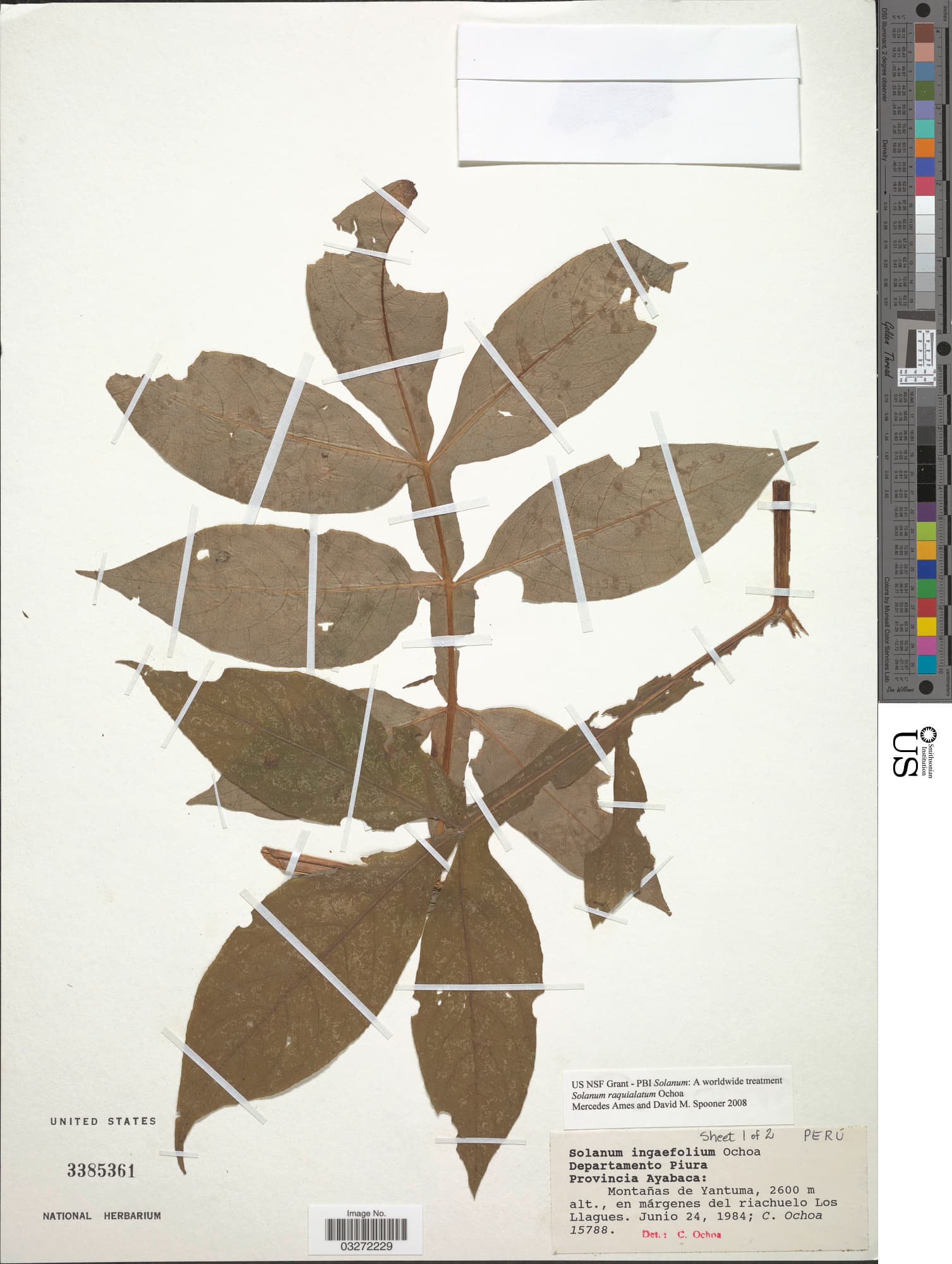
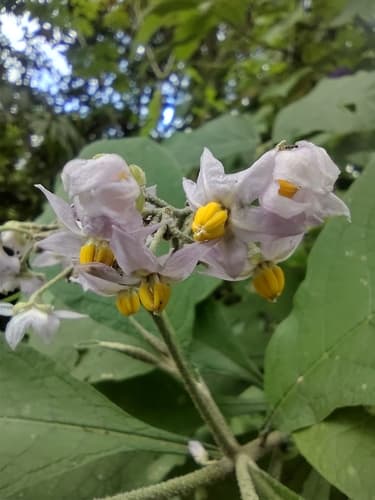
A shrub or small tree, Solanum storkii is characterized by its ovate to elliptic green leaves and clusters of star-shaped, pale purple flowers with prominent yellow anthers. It can grow several meters tall, often forming a bushy habit.