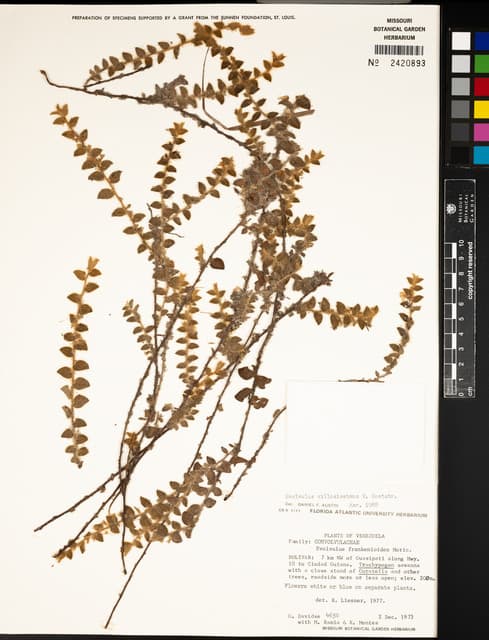
Melonleaf Horsenettle
NameMelonleaf Horsenettle
Scientific NameSolanum citrullifolium
Common NamesMelonleaf Horsenettle, Watermelon-leaf Nightshade, Horsenettle
Plant FamilySolanaceae
Natural HabitatCommonly found in disturbed areas such as pastures, roadsides, cultivated fields, and waste grounds across its native range in North America. It thrives in full sun and various soil types.
Parts Usedwhole_plant
Medicinal Actionsanalgesic, anti-inflammatory, sedative
Traditional UsesHistorically, some Solanum species, including horsenettles, have been used externally by indigenous peoples for skin conditions, warts, or insect bites. Internal use, often as a strong narcotic or sedative, was extremely rare and carried significant risk due to the plant's high toxicity. Modern herbalism generally avoids internal use.
Active ConstituentsSolanine, Solasodine, Glycoalkaloids
Preparation Methodspoultice, salve
Contraindications & WarningsALL parts of Melonleaf Horsenettle are highly toxic due to glycoalkaloids. Internal consumption can cause severe gastrointestinal distress, neurological symptoms, and can be fatal. Avoid contact with broken skin. Not for use by pregnant or lactating individuals, children, or those with liver or kidney conditions.
Cultivation NotesThis plant is often considered a noxious weed and is not typically cultivated for medicinal purposes. It is hardy, drought-tolerant, and readily self-seeds, preferring full sun and well-drained, disturbed soils.
Raritycommon
Description
A spiny annual or perennial herb characterized by vibrant purple, star-shaped flowers with prominent yellow anthers. Its stems and calyces are densely covered with sharp prickles and fine hairs, and its leaves are deeply lobed, resembling watermelon leaves.